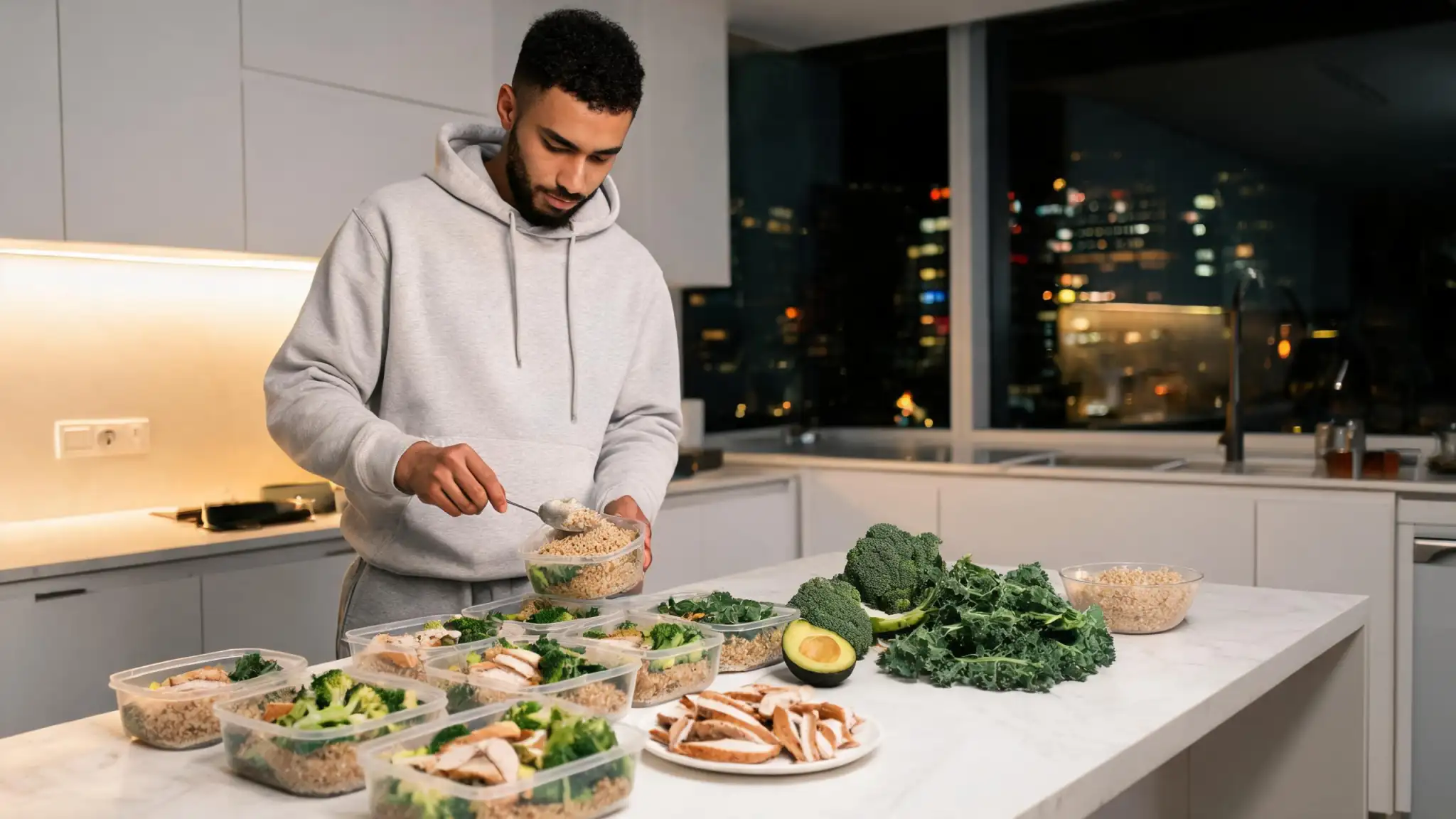
Working nights, rotating schedules, or double weekends makes it hard to eat anything besides drive-thru coffee and vending-machine snacks. In 2026, more nurses, warehouse crews, security staff, and hospitality teams are turning to PFC meal prep—meals built around balanced Protein, Fat, and Carbohydrates—to stay alert, recover, and avoid the blood-sugar roller coaster that comes with irregular hours.
Why Shift Work Wrecks Your Eating Rhythm
Overnight and rotating shifts disrupt the body’s natural sleep-wake cycle. The CDC Sleep and Sleep Disorders page notes that poor sleep timing affects appetite hormones, making high-sugar snacks more tempting and full meals harder to digest. The NIDDK Diet & Nutrition resources also emphasize that consistent meal timing supports metabolism and healthy weight.
That does not mean you need a perfect 9-to-3 schedule. It means every meal should do three things at once: keep you full, stabilize energy, and be easy to grab between shifts.
The Shift-Worker PFC Plate Strategy
The WHO healthy diet fact sheet recommends a mix of whole grains, vegetables, legumes, nuts, and lean proteins. For shift workers, we translate that into a simple PFC target per meal:
Protein: 25–35 g (chicken, fish, eggs, tofu, Greek yogurt, beans) to sustain satiety.
Carbohydrates: 30–50 g from whole-food sources (oats, rice, quinoa, sweet potato, fruit) for steady energy.
Fat: 10–20 g from nuts, olive oil, avocado, or cheese to slow digestion and curb cravings.
This ratio is a starting point, not a rule. A 12-hour warehouse shift needs more carbs than a 6-hour front-desk shift. A server on her feet all night may need extra protein and sodium-aware hydration.
12 PFC Meals That Fit Real Shift Schedules
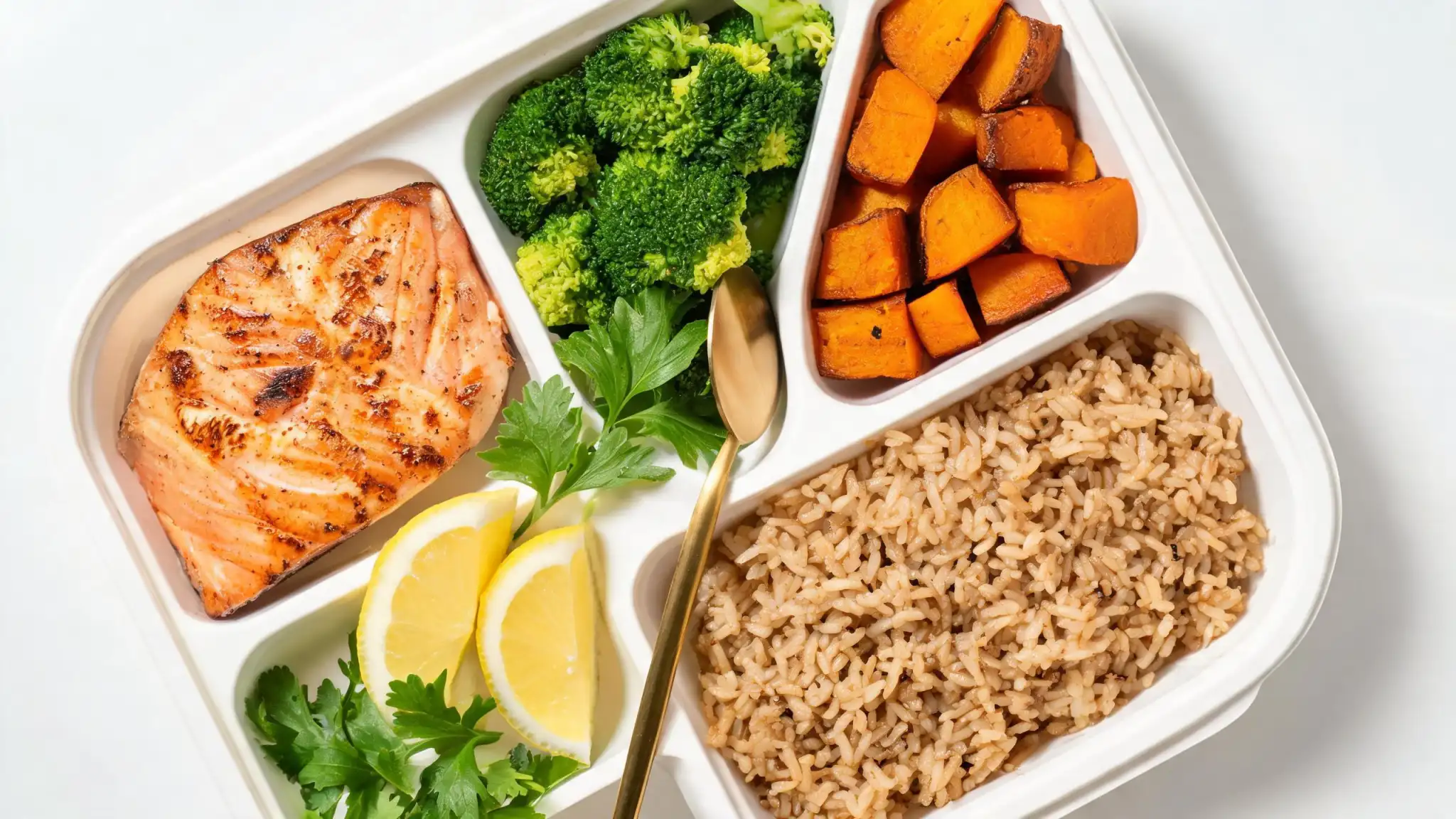
Each meal below is designed to be made ahead, packed quickly, and eaten warm or cold. Macro estimates are per serving and rounded.
Day-Shift Grab-and-Go Meals
Greek Yogurt Power Bowl — 1½ cups plain Greek yogurt, ½ cup berries, ¼ cup granola, 1 tbsp chia seeds. ~P 26 g · F 12 g · C 38 g
Turkey & Cheddar Wrap — whole-grain tortilla, 4 oz turkey breast, 1 oz cheddar, spinach, mustard. ~P 28 g · F 14 g · C 35 g
Mason Jar Quinoa Salad — cooked quinoa, chickpeas, cucumbers, cherry tomatoes, feta, lemon-olive oil dressing. ~P 14 g · F 16 g · C 42 g
Egg Muffin Bento — 2 veggie egg muffins, 2 small whole-grain crackers, grapes, almonds. ~P 24 g · F 18 g · C 30 g
Night-Shift Sustained-Energy Meals
Chicken & Sweet Potato Bowl — 5 oz grilled chicken, 1 medium roasted sweet potato, broccoli, olive oil. ~P 34 g · F 12 g · C 40 g
Tuna Pasta Salad — whole-wheat pasta, 1 pouch tuna, peas, Greek yogurt dressing, dill. ~P 28 g · F 8 g · C 45 g
Bean & Cheese Burrito — large whole-wheat tortilla, ¾ cup black beans, ¼ cup cheese, salsa, brown rice. ~P 18 g · F 14 g · C 52 g
Salmon Rice Bowl — 4 oz baked salmon, ¾ cup rice, edamame, avocado. ~P 30 g · F 16 g · C 42 g
Freezer-Ahead Meals for Rotating Shifts
Turkey Meatballs & Zucchini Noodles — 5 turkey meatballs, marinara, spiralized zucchini, parmesan. ~P 30 g · F 15 g · C 18 g
Lentil Curry & Rice — red lentil curry, basmati rice, spinach. ~P 18 g · F 12 g · C 48 g
Chicken Teriyaki & Broccoli — chicken thigh, homemade teriyaki, brown rice, steamed broccoli. ~P 32 g · F 10 g · C 44 g
Tofu Scramble & Roasted Potatoes — firm tofu scramble with peppers, 1 cup roasted potatoes, salsa. ~P 22 g · F 14 g · C 38 g
Meal Prep Tips for Irregular Hours
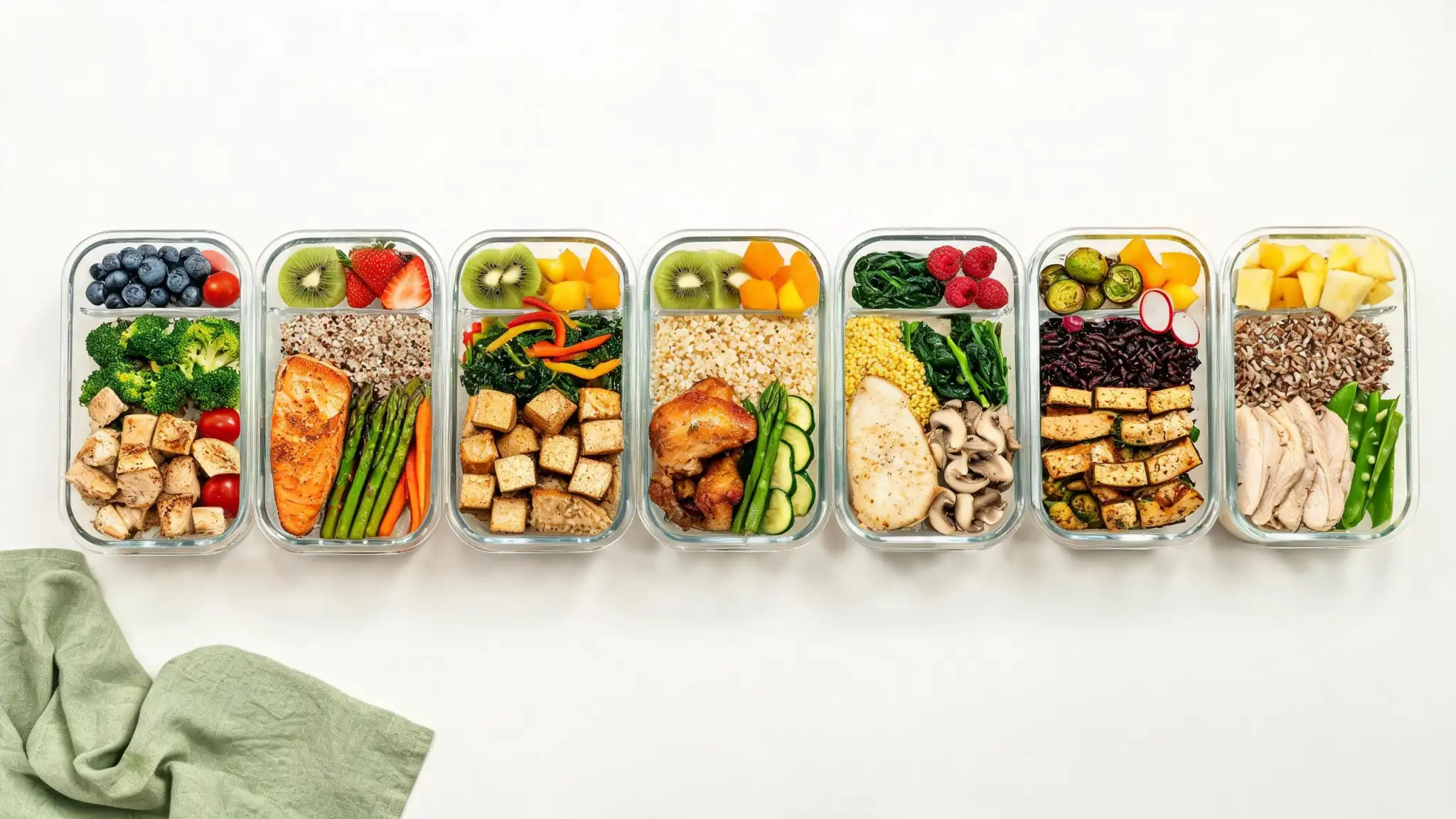
Cook twice a week. Prepare proteins, grains, and chopped vegetables on Sunday and Wednesday so you can mix and match for any shift.
Label by shift, not by day. Write “night-shift meal” or “day-shift snack” on containers so you grab the right macronutrient profile when you are half asleep.
Keep food safe. The FDA Food Labeling & Nutrition resources remind consumers to refrigerate promptly. Use ice packs for meals away from home and reheat to 165°F (74°C).
Hydrate on purpose. Dehydration feels like hunger at 2 a.m. Keep a refillable bottle with each meal and aim for water or unsweetened electrolyte drinks.
FAQ
What does PFC mean for shift workers?
PFC stands for Protein, Fat, and Carbohydrates. Balancing these macros at each meal helps stabilize blood sugar and sustain energy through long or overnight shifts, reducing reliance on vending-machine snacks. The MedlinePlus nutrition overview is a good starting point for learning how each macronutrient supports the body.
How do I keep prepped meals safe during a 12-hour shift?
Use insulated bags with ice packs, keep cold food below 40°F (4°C), and reheat leftovers to 165°F (74°C). Check use-by dates and store foods in sealed containers.
Should I eat carbs before a night shift?
Yes, but choose slow-digesting carbs such as oats, brown rice, quinoa, or sweet potato. Pair them with protein and healthy fat to avoid the sugar crash that follows refined carbs.
Can I freeze these PFC meals?
Most of the freezer-friendly meals listed—meatballs, curries, stir-fries, and burritos—freeze well for up to 3 months. Store sauces separately when possible to keep texture crisp.
How can CookGo help with shift-work meal prep?
CookGo imports recipes from any website, automatically calculates PFC macros, and scales portions to your goals. You can build rotating shift menus in minutes and generate grocery lists to match your schedule.
Plan Your Shift Meals with CookGo
Stop guessing what to eat between day shifts and night shifts. With CookGo, snap a photo of any recipe, save it to your personal collection, and let the app build a balanced PFC meal plan around your real work calendar.
Download CookGo for free on the App Store or Google Play.