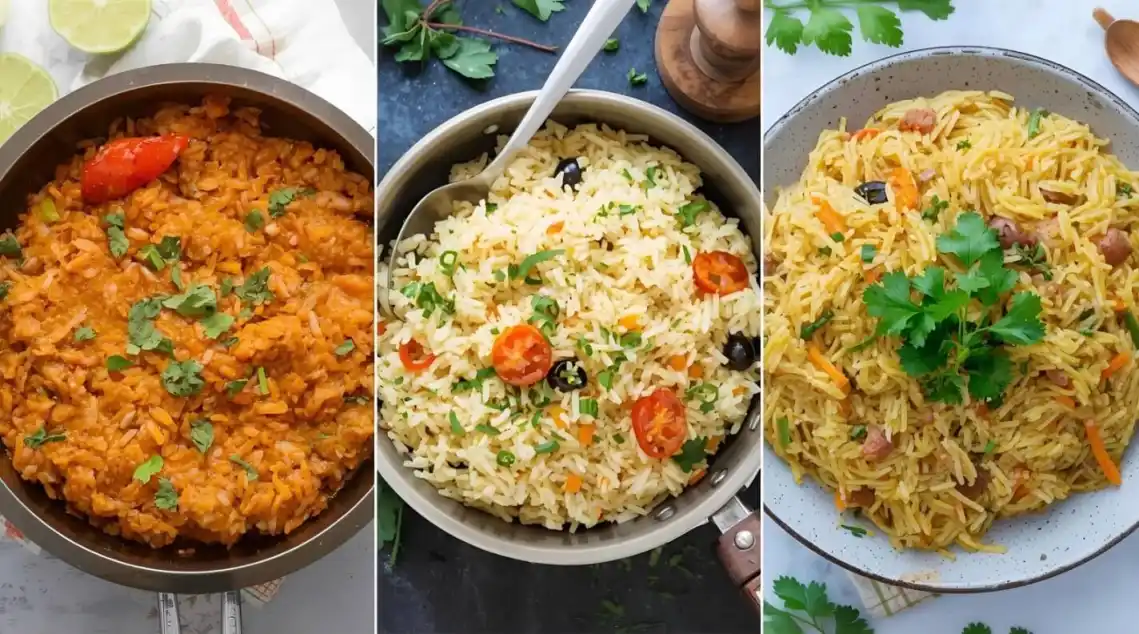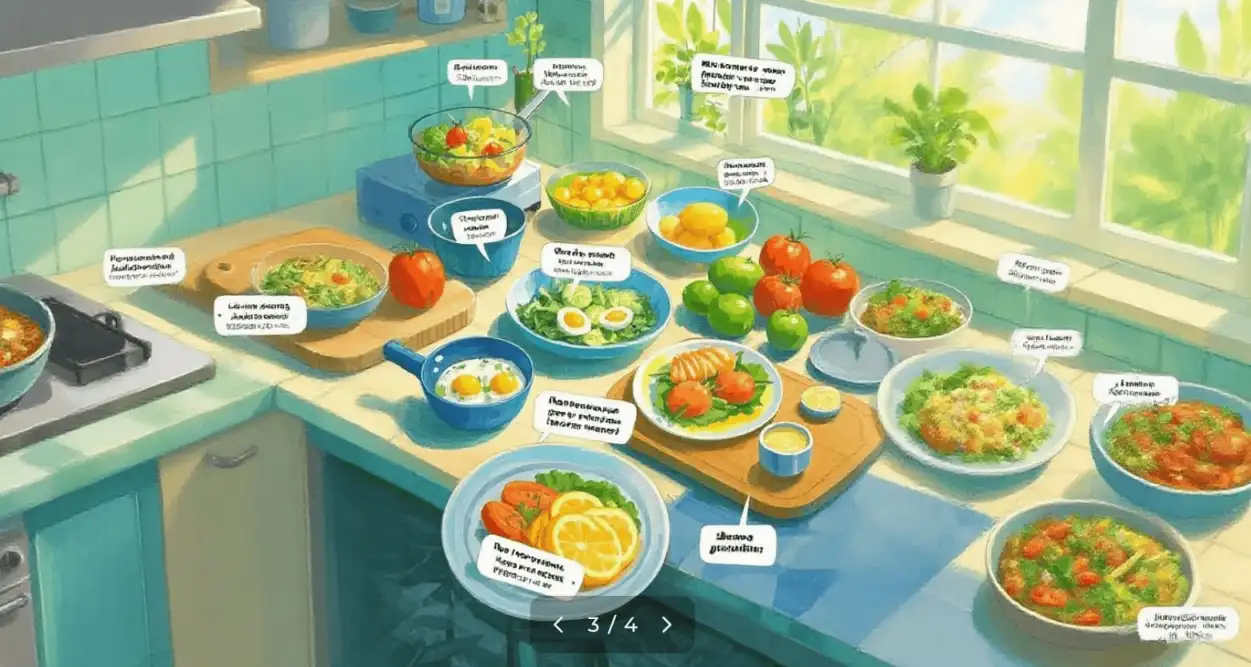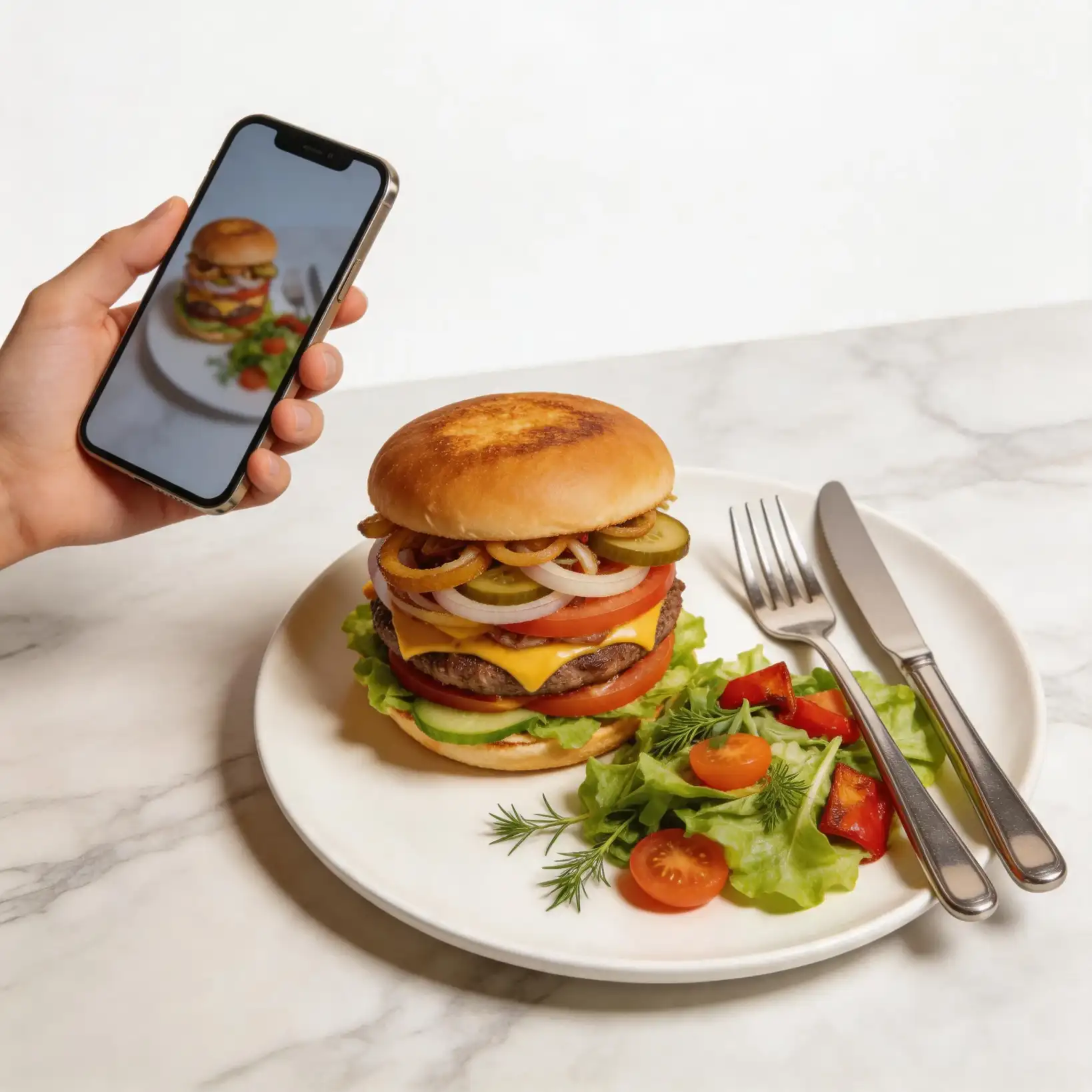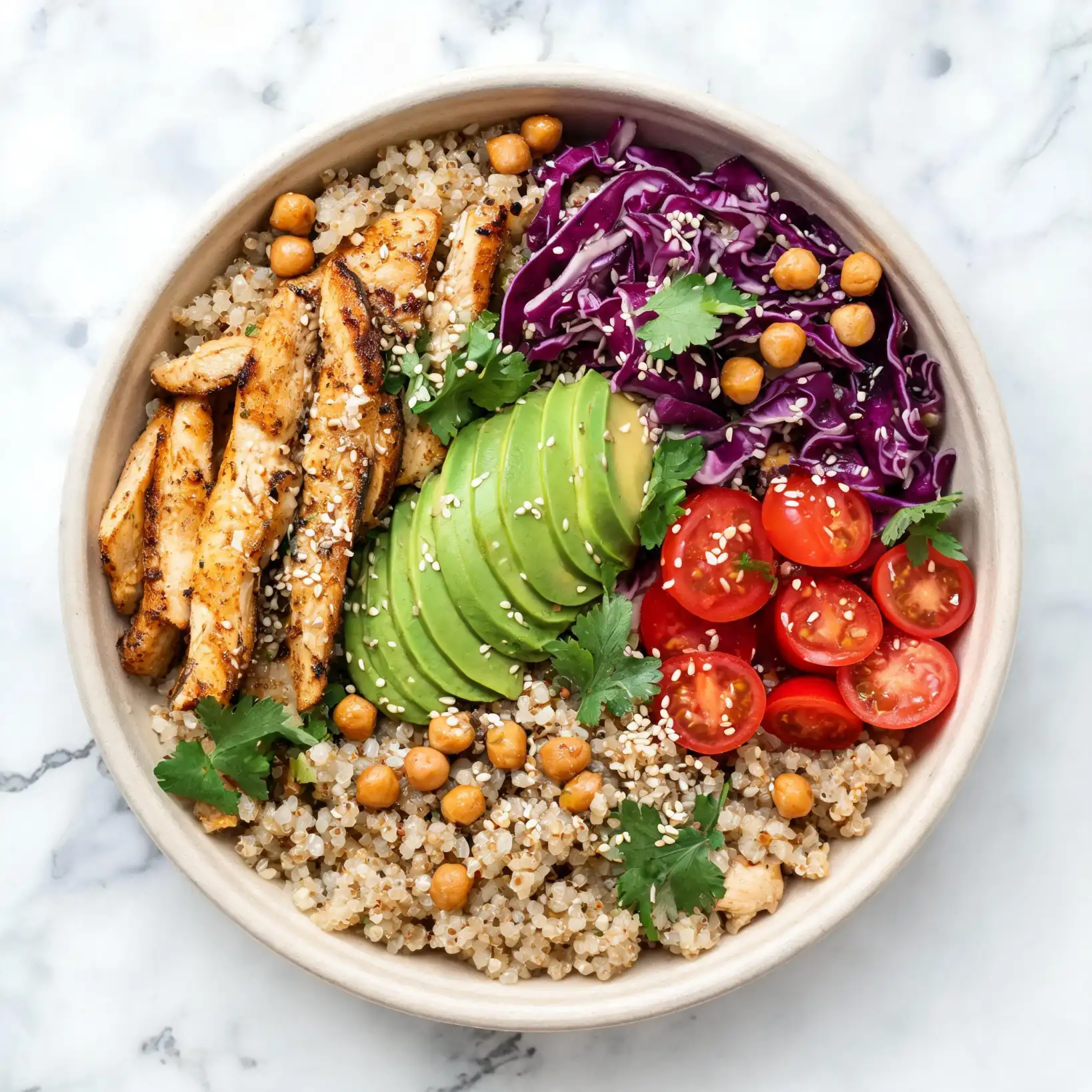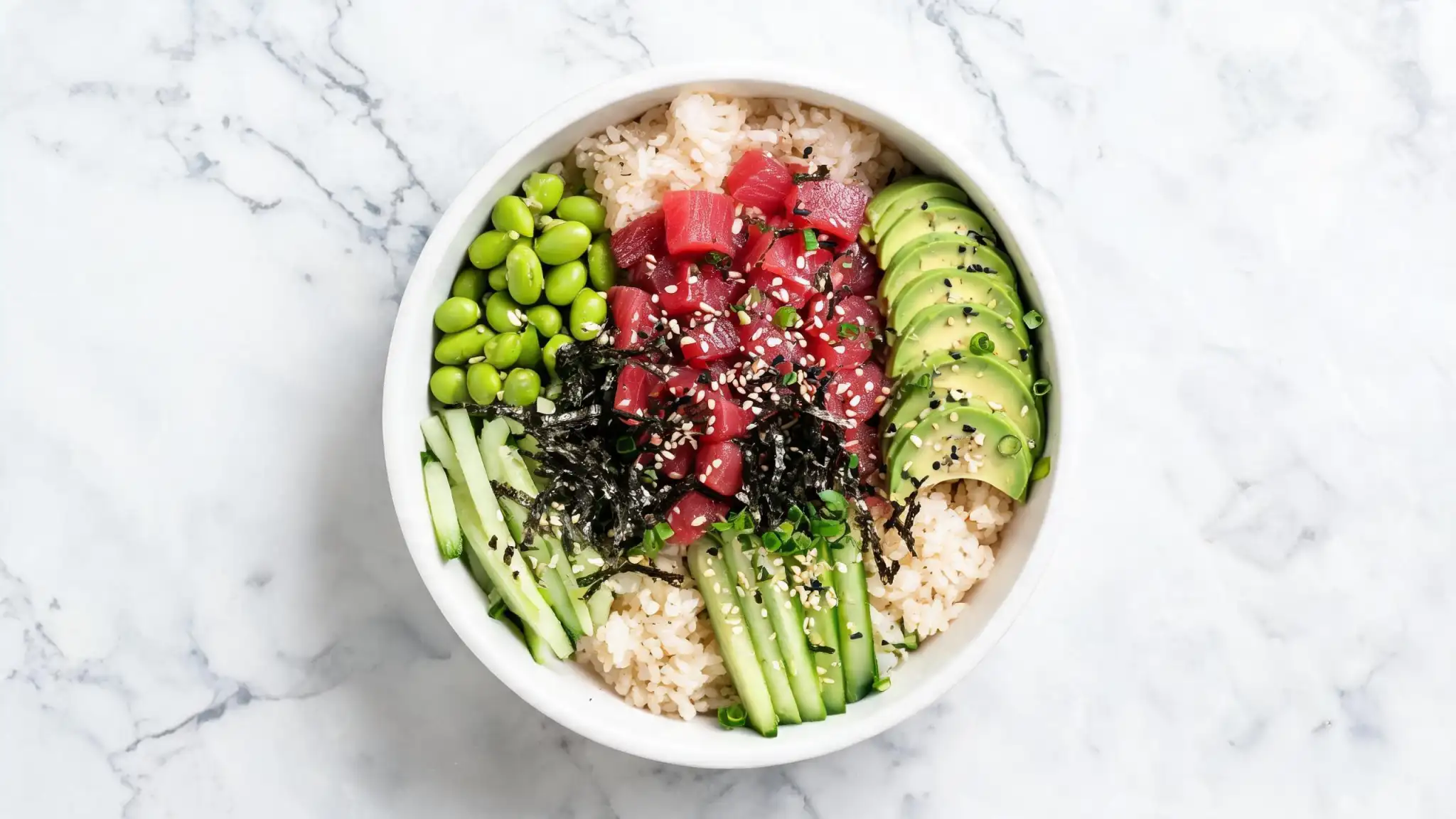
When the temperature climbs, few meals feel as refreshing as a poke bowl. This Hawaiian-inspired dish layers chilled fish, ripe avocado, crunchy vegetables, and savory sauces over a base of rice or greens—no stove required. Whether you are looking for a quick healthy rice bowl after the gym or a colorful centerpiece for a summer lunch, poke bowls check every box.
Below, you will find four build-your-own recipes, a guide to balancing proteins and carbs, and tips for using what you already have in the fridge.
What Is a Poke Bowl?
The word poke (pronounced “poh-kay”) means “to slice” in Hawaiian. According to Wikipedia, the dish originated in ancient Hawaii and traditionally combines raw fish—usually tuna or octopus—with sea salt, limu seaweed, and inamona (roasted kukui nut). Modern versions keep the raw fish center stage but add sushi rice, avocado, edamame, pickled vegetables, and sauces like soy, sesame, or spicy mayo.
That flexibility is exactly why poke bowls became a mainland favorite in the United States: the base, protein, and toppings are endlessly customizable.
Why Poke Bowls Are a Summer Staple
Poke bowls are naturally suited to hot weather. They are served cold, assembled in minutes, and packed with hydrating vegetables. From a nutrition standpoint, the main protein is typically fish. The FDA recommends eating fish as part of a healthy diet because many species provide protein, omega-3 fatty acids, and vitamin D. For detailed nutrient profiles, the USDA FoodData Central database publishes standardized values for tuna, salmon, and other common poke ingredients.
Harvard’s Nutrition Source also notes that fish consumption is linked to heart health and can be a lean protein option when prepared simply. When paired with brown rice or greens and a rainbow of vegetables, a poke bowl becomes a balanced, one-bowl meal.
4 Build-Your-Own Poke Bowl Recipes
Each recipe makes one generous bowl. Start with the base, add the marinated protein, then pile on toppings and finish with the sauce.
1. Classic Ahi Poke Bowl
Base: 1 cup sushi rice or brown rice, cooked and chilled.
Protein: 6 oz sashimi-grade ahi tuna, cut into ¾-inch cubes.
Marinade: 1 tbsp reduced-sodium soy sauce, 1 tsp sesame oil, 1 tsp rice vinegar, ½ tsp grated ginger, pinch of sea salt. Toss tuna gently and let sit for 10 minutes.
Toppings: ¼ avocado sliced, 2 tbsp shelled edamame, 1 tbsp shredded nori, 1 tsp white sesame seeds, 1 tbsp sliced scallions, ¼ cup diced cucumber.
Finish: Drizzle with a little extra soy sauce and sesame oil. Serve immediately.
2. Salmon Poke Bowl
Base: 1 cup mixed greens plus ½ cup short-grain rice.
Protein: 6 oz sashimi-grade salmon, cut into cubes.
Marinade: 1 tbsp soy sauce, 1 tsp lime juice, 1 tsp honey, ½ tsp grated garlic, 1 tsp chili flakes.
Toppings: ¼ avocado, 2 tbsp pickled ginger, ¼ cup shredded purple cabbage, 1 tbsp toasted black sesame seeds, 1 tbsp chopped cilantro.
Finish: Top with a squeeze of lime and a thin drizzle of sriracha mayo.
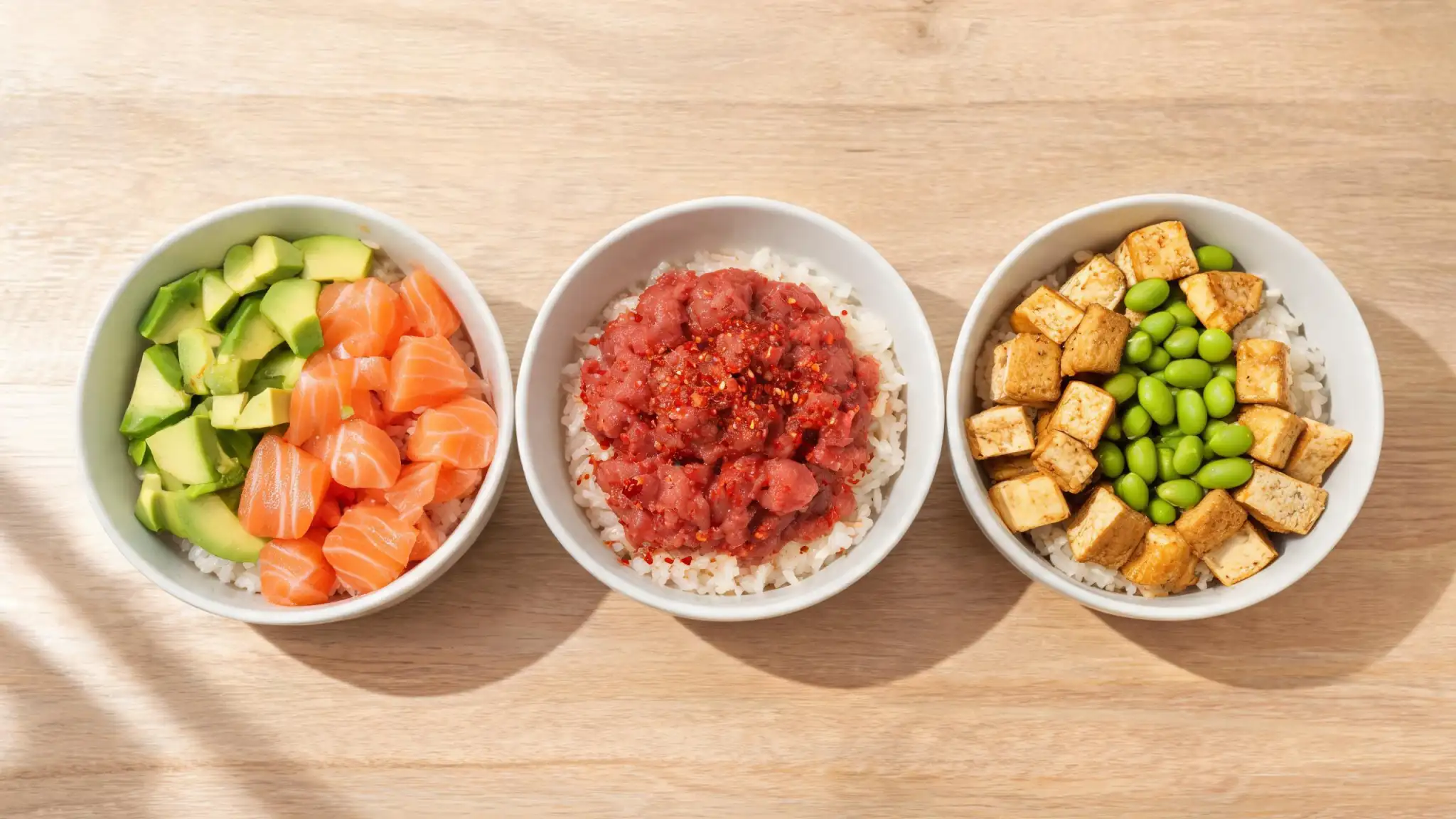
3. Spicy Tuna Poke Bowl
Base: 1 cup seasoned sushi rice.
Protein: 6 oz sashimi-grade tuna, cut into cubes.
Marinade: 1 tbsp soy sauce, 1 tbsp sriracha, 1 tsp sesame oil, 1 tsp rice vinegar, 1 tsp togarashi or chili flakes, 1 tsp mayo (light).
Toppings: ¼ avocado, 2 tbsp edamame, 1 tbsp crispy shallots, 1 tbsp sliced jalapeño, 1 tbsp nori strips, 1 tsp sesame seeds.
Finish: Add a small scoop of masago or tobiko if available.
4. Vegetarian Tofu Poke Bowl
Base: 1 cup brown rice or quinoa.
Protein: 6 oz firm tofu, pressed and cubed.
Marinade: 1½ tbsp soy sauce, 1 tsp rice vinegar, 1 tsp sesame oil, ½ tsp grated ginger, 1 tsp maple syrup. Marinate tofu for 15 minutes.
Toppings: ¼ avocado, ¼ cup shredded carrots, ¼ cup cucumber, 2 tbsp pickled radish, 1 tbsp nori, 1 tbsp sesame seeds, 1 tbsp scallions.
Finish: A drizzle of ponzu or a dollop of wasabi mayo adds a bright kick.
How to Build a Balanced Poke Bowl
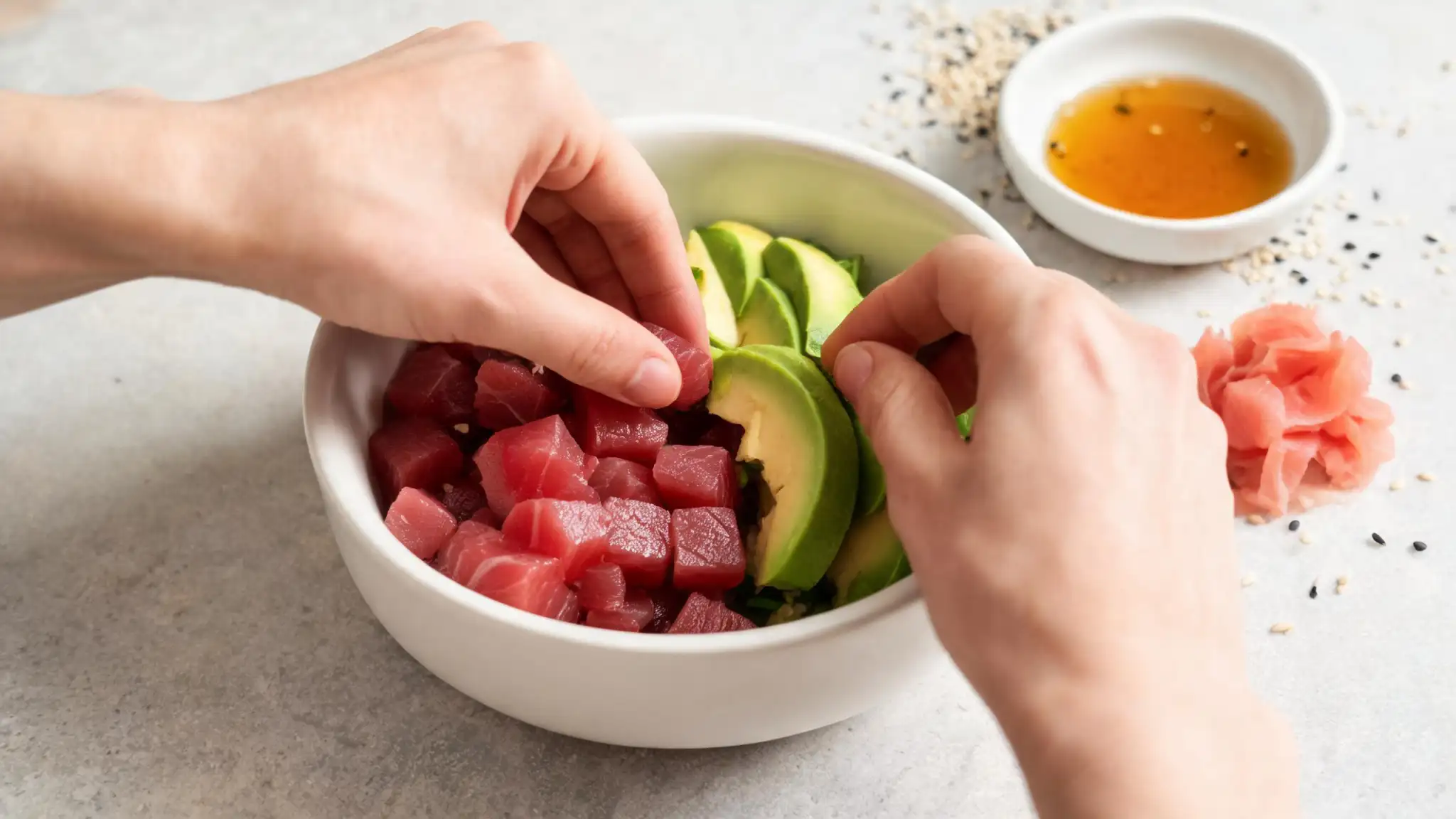
A well-built poke bowl follows a simple formula: base + protein + vegetables + healthy fat + sauce. For anyone tracking macros, a typical bowl with tuna, rice, and avocado lands around 25–35 g protein, 45–60 g carbohydrates, and 12–18 g fat, depending on portion sizes.
If you want to hit specific protein, fat, and carb targets without manual math, CookGo can scan your leftover ingredients and generate a poke bowl recipe with PFC (protein, fat, carbohydrate) estimates in one tap.
Ingredient Substitutions and Food Safety
Not every supermarket carries sashimi-grade seafood. Ask your fishmonger for fish labeled “sashimi-grade” or “sushi-grade,” and keep it refrigerated until just before serving. If raw fish is not an option, cooked shrimp, grilled salmon, or smoked tofu all make excellent substitutes.
Feel free to swap the base for cauliflower rice, soba noodles, or mixed greens. The goal is to use what is fresh and available.
FAQs
Can I make a poke bowl ahead of time?
Yes. Prep the rice, vegetables, and sauce in advance, but keep the raw fish separate and add it just before serving for the best texture.
Is poke bowl fish safe to eat?
When you buy sashimi-grade fish from a reputable source and keep it cold, raw poke is generally safe for healthy adults. The FDA provides guidance on selecting and serving fish safely.
What is the best rice for a poke bowl?
Sushi rice is traditional because it is slightly sticky and seasoned with rice vinegar. Brown rice, quinoa, and cauliflower rice are popular alternatives for extra fiber or fewer carbs.
How do I make a poke bowl lower in calories?
Reduce the rice portion, increase the vegetables, and go easy on oil-based sauces. Using lettuce or cauliflower rice as the base can cut calories significantly while keeping the bowl filling.
Build Your Next Bowl with CookGo
Still deciding what to do with that salmon, avocado, and half cucumber in your fridge? CookGo uses AI ingredient management to turn whatever seafood, vegetables, and grains you have on hand into a custom poke bowl recipe. It also calculates PFC macros so you can keep summer eating simple and goal-friendly.
Download CookGo on Google Play or get it on the iOS App Store and start building your next bowl today.