Last updated: May 9, 2026 | By CookGo Nutrition Team, Certified Nutrition Specialist (CNS)
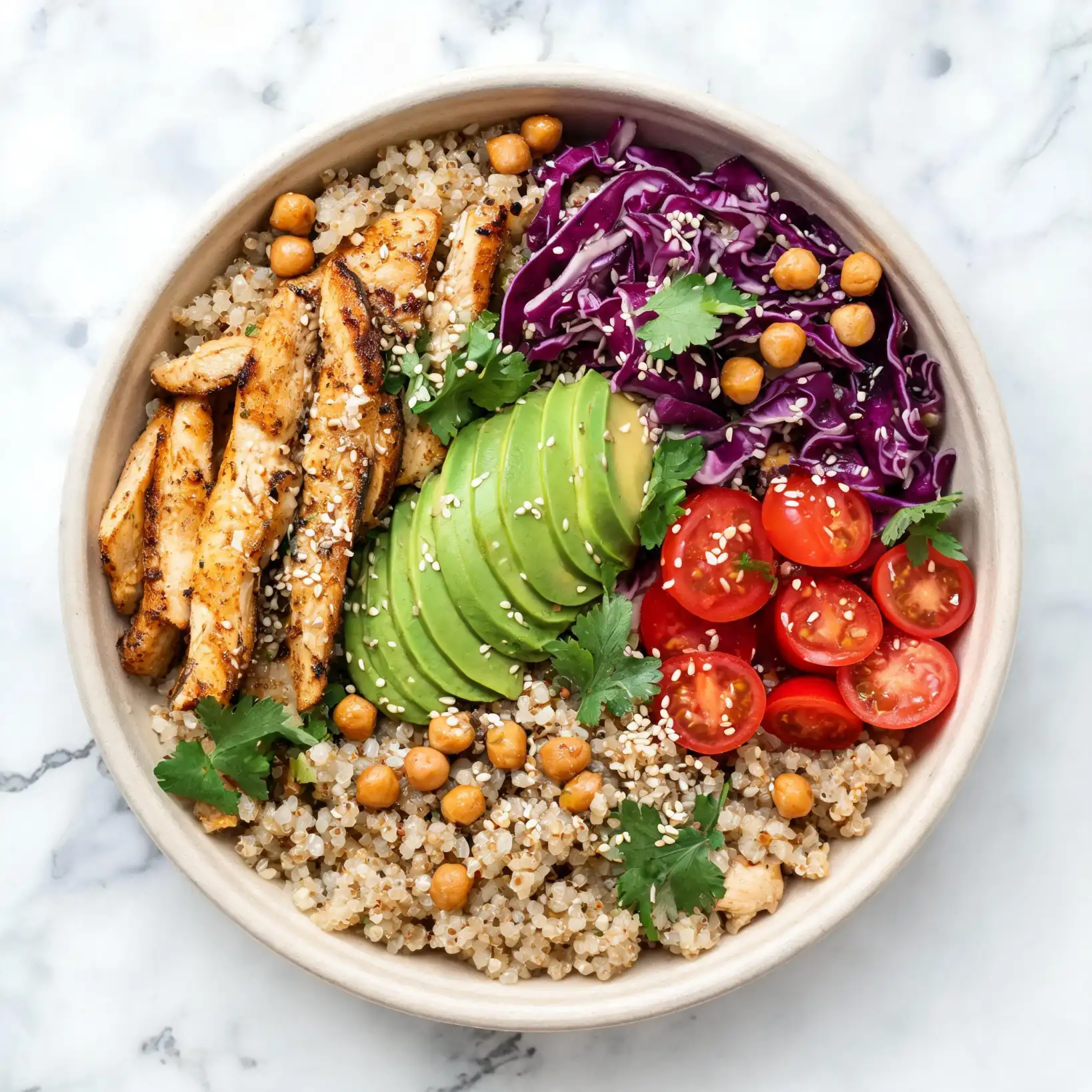
When your calendar is packed with back-to-back meetings and your lunch break shrinks to twenty minutes, nutrition often becomes the first casualty. That daily compromise — grabbing a processed sandwich or skipping lunch entirely — quietly erodes energy, focus, and long-term health. The solution is not another restrictive diet plan. It is a simple, customizable framework that delivers complete nutrition in a single bowl: the grain bowl, also known as the buddha bowl.
Grain bowls have dominated healthy meal prep searches across the United States, with terms like grain bowl meal prep and buddha bowl recipes 2026 consistently ranking among the top meal-planning queries. Unlike rigid meal kits or complicated cooking projects, one-bowl meals solve a genuine everyday problem: how to assemble a nutritionally complete, satisfying lunch or dinner in under fifteen minutes, using ingredients you already have.
In this guide, you will find 15 complete grain and buddha bowl combinations designed for busy professionals who need real food fast. Each combo follows a balanced macronutrient formula — complex carbohydrates, lean protein, healthy fats, and fiber-rich vegetables — verified by our Certified Nutrition Specialist team. Every recipe requires minimal cooking, uses common supermarket ingredients, and keeps cleanup to a single bowl.
What Makes a Perfect Grain Bowl
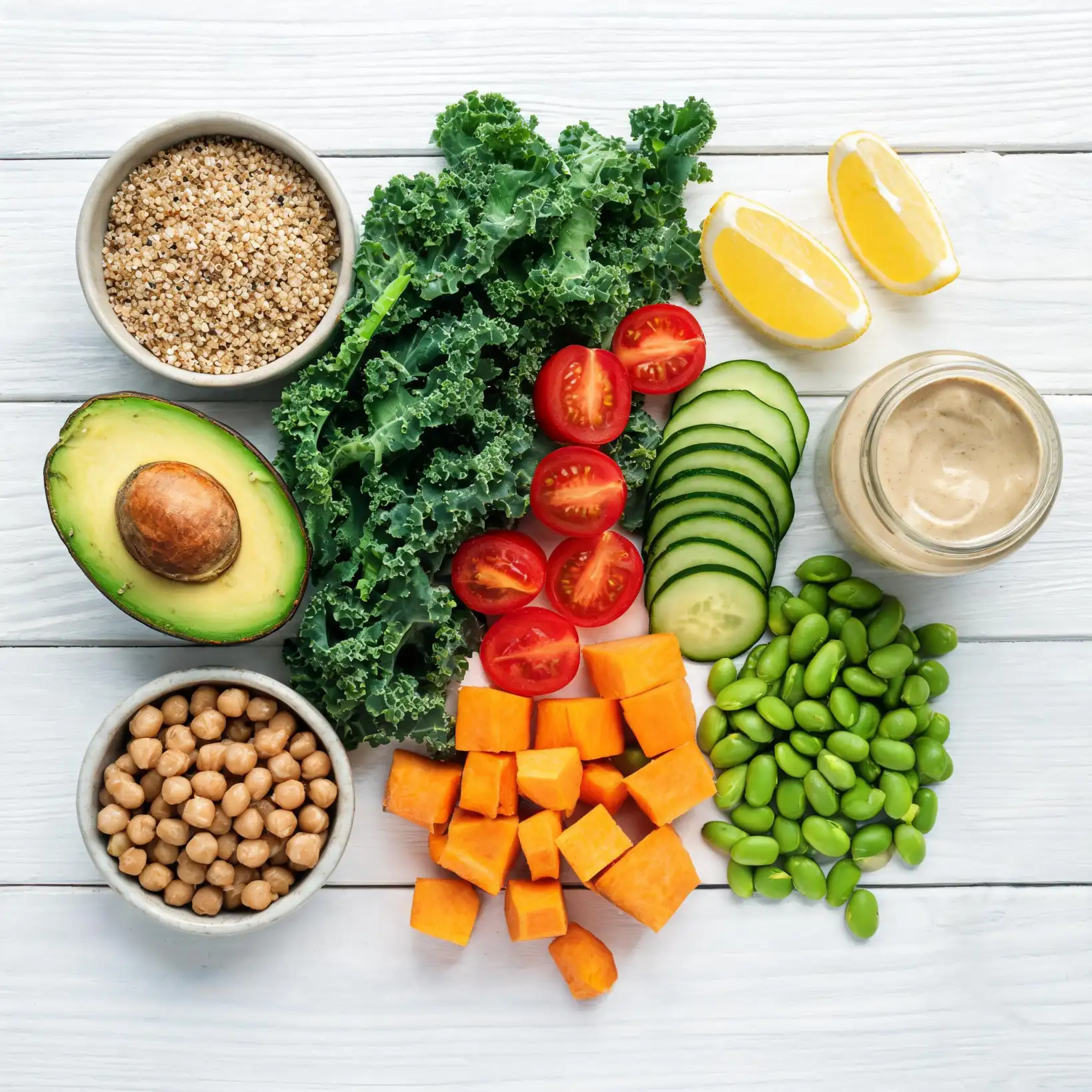
A well-constructed grain bowl follows a simple formula that nutrition professionals call the balanced plate method. Each bowl contains four essential components working together to provide sustained energy, prevent mid-afternoon crashes, and keep you full until your next meal:
Base (40% of the bowl): A complex carbohydrate such as quinoa, brown rice, farro, or cauliflower rice for low-carb options. This layer provides steady-release glucose for brain function and physical stamina.
Protein (25% of the bowl): Grilled chicken, baked salmon, chickpeas, tofu, tempeh, or hard-boiled eggs. Protein is essential for muscle maintenance, satiety signaling, and stable blood sugar.
Vegetables (25% of the bowl): Raw, roasted, or lightly steamed vegetables add fiber, micronutrients, and volume that make the meal visually satisfying and physically filling.
Healthy Fat & Flavor (10% of the bowl): Avocado, nuts, seeds, olive oil, or tahini-based dressings. These deliver fat-soluble vitamins and create the satisfying mouthfeel that prevents cravings later.
Research published in the Journal of the Academy of Nutrition and Dietetics confirms that meals structured with this approximate macronutrient distribution produce significantly better satiety outcomes compared to carbohydrate-heavy or fat-heavy alternatives. The grain bowl format naturally encourages this balance without requiring calorie counting.
15 Summer Grain & Buddha Bowl Combos
The following 15 combinations are organized by primary protein source and flavor profile. Each includes a suggested grain base, protein, vegetable combination, dressing, and estimated prep time. All nutrition estimates are based on standard USDA portion sizes and assume a bowl size of approximately 600 to 700 grams total.
1. Mediterranean Quinoa Power Bowl
Base: Cooked quinoa (¾ cup)
Protein: Grilled chicken breast, sliced (4 oz)
Vegetables: Cherry tomatoes, cucumber, Kalamata olives, red onion
Healthy Fat: Feta cheese (1 oz), extra virgin olive oil (1 tbsp)
Dressing: Lemon-oregano vinaigrette
Prep time: 12 minutes | Est. calories: 480
Quinoa delivers all nine essential amino acids, making it one of the few complete plant proteins. Combined with olive oil and vegetables rich in polyphenols, this bowl supports cardiovascular health and sustained cognitive performance through long afternoon meetings.
2. Classic Buddha Bowl with Tahini Dressing
Base: Brown rice (¾ cup)
Protein: Baked tofu cubes, seasoned with turmeric (5 oz)
Vegetables: Steamed broccoli, shredded carrots, roasted sweet potato
Healthy Fat: Tahini dressing (2 tbsp), hemp seeds (1 tbsp)
Prep time: 15 minutes | Est. calories: 520
The classic quinoa buddha bowl template that inspired the entire category. Turmeric adds anti-inflammatory curcuminoids, while tahini contributes calcium and iron — two minerals often lacking in plant-based diets.
3. Southwest Chipotle Chicken Bowl
Base: Cilantro-lime rice (¾ cup)
Protein: Chipotle-rubbed grilled chicken (4 oz)
Vegetables: Corn kernels, black beans, diced bell peppers, lettuce
Healthy Fat: Avocado (½ medium), pumpkin seeds
Dressing: Lime crema or dairy-free cashew cream
Prep time: 14 minutes | Est. calories: 550
Black beans and corn together provide complementary amino acids that form a complete protein profile. The fiber content in this bowl alone delivers approximately 40% of the recommended daily intake, supporting digestive health and cholesterol management.
4. Seared Salmon & Farro Bowl
Base: Cooked farro (¾ cup)
Protein: Pan-seared salmon with lemon (4 oz)
Vegetables: Asparagus, arugula, shaved radish
Healthy Fat: Walnuts (1 tbsp), flaxseed oil (1 tsp)
Dressing: Dijon-lemon emulsion
Prep time: 16 minutes | Est. calories: 510
Salmon is one of the richest dietary sources of omega-3 fatty acids EPA and DHA, which research links to reduced inflammation, improved mood regulation, and enhanced focus. Farro provides a chewy, nutty alternative to rice with higher protein and fiber content.
5. Asian Sesame Tofu Bowl
Base: Sushi rice or brown rice (¾ cup)
Protein: Crispy sesame-crusted tofu (5 oz)
Vegetables: Edamame, shredded purple cabbage, scallions, pickled ginger
Healthy Fat: Sesame oil (1 tsp), toasted sesame seeds
Dressing: Low-sodium soy sauce with rice vinegar and ginger
Prep time: 13 minutes | Est. calories: 490
Edamame contributes additional complete plant protein and isoflavones that support hormonal balance. Purple cabbage provides anthocyanins — potent antioxidants that give the vegetable its distinctive color and contribute to cellular protection.
6. Greek Lentil & Veggie Bowl
Base: French green lentils (¾ cup cooked)
Protein: Lentils themselves provide 18g protein per cup
Vegetables: Cucumber, tomato, red onion, spinach, pepperoncini
Healthy Fat: Kalamata olives, feta cheese (1 oz)
Dressing: Red wine vinegar and oregano
Prep time: 10 minutes | Est. calories: 440
Lentils are among the most nutrient-dense foods available, delivering high protein, iron, folate, and soluble fiber in a low-glycemic package. This vegan lunch bowl requires zero animal products while providing complete nutrition.
7. BBQ Chickpea & Sweet Potato Bowl
Base: Mixed greens or quinoa (¾ cup)
Protein: BBQ-roasted chickpeas (1 cup)
Vegetables: Roasted sweet potato cubes, kale, red onion
Healthy Fat: Avocado (½ medium), sunflower seeds
Dressing: Smoky BBQ sauce thinned with apple cider vinegar
Prep time: 15 minutes | Est. calories: 470
Chickpeas roasted with BBQ seasoning develop a satisfying crunch similar to croutons but with meaningful protein and fiber. Sweet potato delivers beta-carotene, which the body converts to vitamin A for immune and vision support.
8. Thai Peanut Chicken Rice Bowl
Base: Jasmine rice (¾ cup)
Protein: Grilled chicken with Thai spices (4 oz)
Vegetables: Shredded carrots, cucumber ribbons, bean sprouts, fresh mint
Healthy Fat: Peanut sauce (2 tbsp), crushed peanuts
Prep time: 14 minutes | Est. calories: 560
Bean sprouts add living enzymes and crunch with virtually no caloric load. The peanut sauce contributes satisfying umami and healthy monounsaturated fats, though portion control matters given the energy density of nuts.
9. Shrimp & Avocado Cauliflower Rice Bowl
Base: Cauliflower rice (1.5 cups, lightly sautéed)
Protein: Sautéed shrimp with garlic and lime (5 oz)
Vegetables: Cherry tomatoes, cucumber, fresh cilantro
Healthy Fat: Avocado (½ medium), pumpkin seeds
Dressing: Cilantro-lime crema
Prep time: 12 minutes | Est. calories: 380
Using cauliflower rice as the base reduces total carbohydrates by approximately 70% compared to grain bases, making this an excellent option for low-carb or ketogenic eating patterns. Shrimp delivers high-quality protein with minimal saturated fat.
10. Buffalo Cauliflower & Quinoa Bowl
Base: Quinoa (¾ cup)
Protein: Buffalo-roasted cauliflower florets (1.5 cups)
Vegetables: Celery, carrots, cherry tomatoes
Healthy Fat: Blue cheese crumbles (1 oz), avocado ranch drizzle
Prep time: 18 minutes | Est. calories: 420
This creative vegan lunch bowl reimagines buffalo wings as a plant-based bowl. Cauliflower absorbs the buffalo sauce beautifully and provides glucosinolates — sulfur-containing compounds associated with detoxification pathways.
11. Steak & Chimichurri Rice Bowl
Base: White or brown rice (¾ cup)
Protein: Grilled flank steak, sliced thin (4 oz)
Vegetables: Grilled peppers and onions, fresh parsley
Healthy Fat: Chimichurri sauce (2 tbsp), olive oil
Prep time: 15 minutes | Est. calories: 530
Flank steak is a lean cut that delivers heme iron — the most bioavailable form — along with vitamin B12, both of which are challenging to obtain in adequate amounts from plant sources alone. Chimichurri adds freshness without heavy cream-based sauces.
12. Smoked Turkey & Wild Rice Harvest Bowl
Base: Wild rice blend (¾ cup)
Protein: Smoked turkey breast, diced (4 oz)
Vegetables: Roasted butternut squash, dried cranberries, baby spinach
Healthy Fat: Pecans (1 tbsp), balsamic glaze
Prep time: 12 minutes | Est. calories: 460
Wild rice contains approximately 30% more protein than brown rice and delivers a distinctive earthy flavor. The combination of turkey, squash, and cranberries creates a balanced sweet-savory profile that feels indulgent while remaining nutritionally sound.
13. Teriyaki Tempeh & Vegetable Bowl
Base: Brown rice or soba noodles (¾ cup)
Protein: Pan-seared tempeh with teriyaki glaze (4 oz)
Vegetables: Bok choy, shiitake mushrooms, snap peas, shredded carrot
Healthy Fat: Sesame seeds, avocado (½ medium)
Prep time: 16 minutes | Est. calories: 500
Tempeh is fermented soy, which research suggests may improve digestive health and nutrient absorption compared to unfermented soy products. Shiitake mushrooms contribute beta-glucans that support immune function.
14. Curried Chickpea & Spinach Bowl
Base: Basmati rice (¾ cup)
Protein: Curried chickpeas with turmeric and cumin (1 cup)
Vegetables: Fresh spinach, roasted cauliflower, diced tomato
Healthy Fat: Coconut milk (2 tbsp), cashews
Prep time: 14 minutes | Est. calories: 480
The warming spices in this bowl — turmeric, cumin, and coriander — contain bioactive compounds with documented anti-inflammatory properties. Coconut milk adds richness and medium-chain triglycerides that the body metabolizes efficiently for quick energy.
15. Tuna Poke-Style Brown Rice Bowl
Base: Brown rice, chilled (¾ cup)
Protein: Sushi-grade tuna, cubed (4 oz)
Vegetables: Edamame, cucumber, seaweed salad, pickled radish
Healthy Fat: Avocado (½ medium), sesame oil (1 tsp), nori strips
Dressing: Ponzu or low-sodium soy with yuzu
Prep time: 10 minutes | Est. calories: 450
Raw tuna delivers exceptional protein density with minimal fat, plus selenium and vitamin D. This bowl is the fastest to assemble on this list and demonstrates that one-bowl meals can be both elegant and practical.
Mastering Grain Bowl Meal Prep
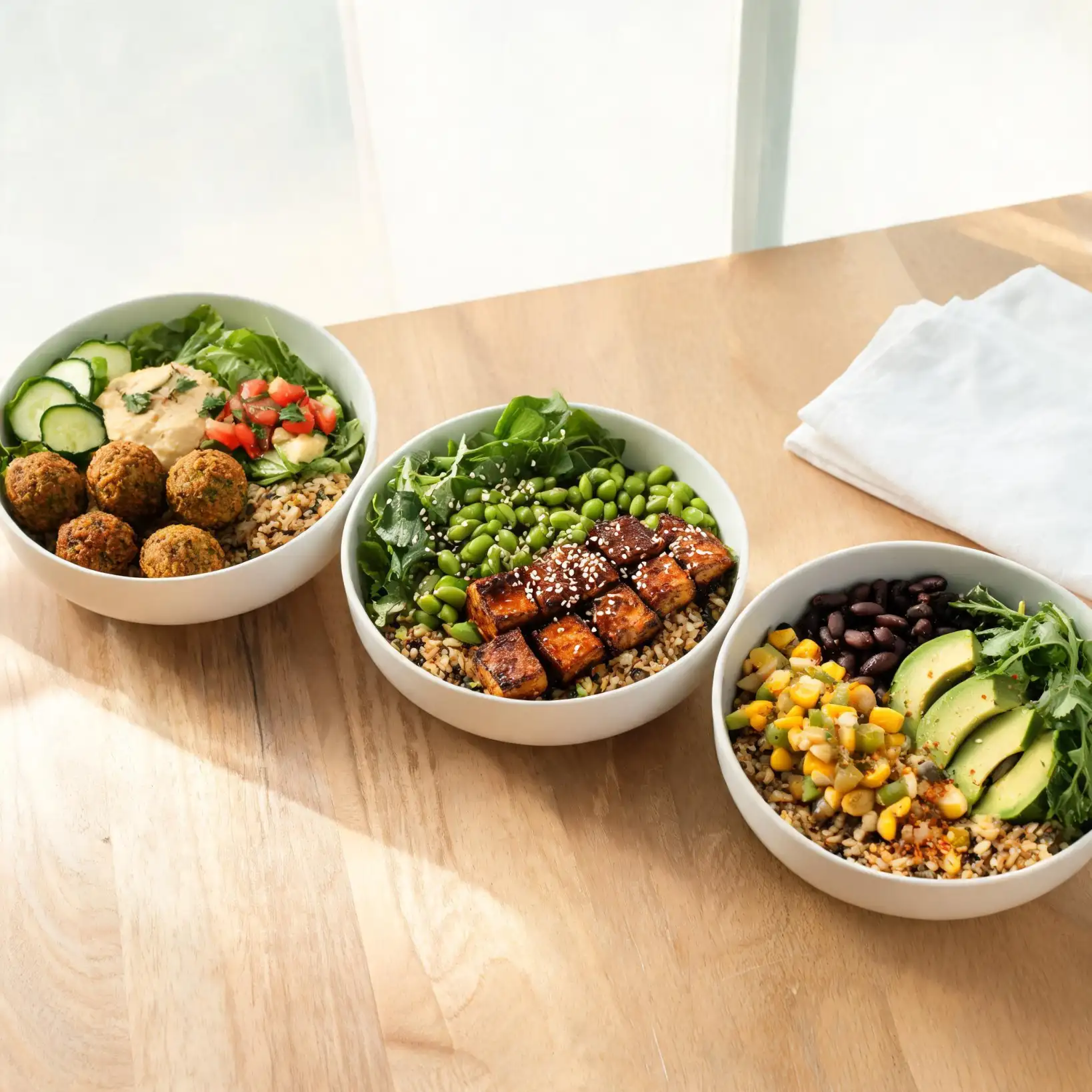
The true power of grain bowls lies not just in the recipes above, but in the systematic approach that makes them reproducible week after week. Professional nutrition coaches and meal prep specialists use these exact strategies to help clients maintain consistent healthy eating:
Sunday Batch Prep (45 Minutes)
Dedicate forty-five minutes on Sunday evening to prepare the foundations for your entire week:
Cook two grain bases: Prepare a large batch of quinoa and brown rice. Store separately in airtight containers. These stay fresh for five days refrigerated.
Roast two sheet pans of vegetables: Toss sweet potatoes, broccoli, cauliflower, and bell peppers with olive oil and roast at 400°F for 25 minutes. Roasted vegetables develop deeper flavor than steamed alternatives and reheat exceptionally well.
Prepare two proteins: Bake chicken breasts with different seasonings, or cook a batch of chickpeas and a batch of marinated tofu. Hard-boil six eggs as an instant protein addition.
Make two dressings: A vinaigrette and a creamy dressing stored in small jars. Homemade dressings contain no preservatives and allow full control over sodium and sugar content.
Assembly Strategy
Each morning, or the night before, assemble your bowl in a microwave-safe container:
Place ¾ cup of your chosen grain base at the bottom.
Add 4 to 5 ounces of protein.
Layer 1 to 1.5 cups of vegetables.
Pack dressing separately in a small container to prevent sogginess.
Add avocado, nuts, or seeds just before eating to maintain optimal texture.
This systematic approach transforms grain bowl construction from a daily decision into a reflexive habit, similar to making coffee. The mental load disappears once the system is established.
How CookGo AI Builds Your Perfect Bowl Plan
Maintaining variety across fifteen distinct bowl combinations requires planning discipline that many professionals simply cannot sustain alongside demanding careers. The decision fatigue of choosing recipes, ensuring nutritional balance, estimating appropriate portions, and building shopping lists accumulates into a burden that drives even well-intentioned people toward less healthy convenience options.
With CookGo's AI-powered meal planner, the entire planning burden vanishes. The AI analyzes your stated dietary preferences, available cooking time, household size, and ingredient accessibility to generate a completely personalized week of grain and buddha bowl meals. Each generated plan includes organized shopping lists, detailed assembly instructions, and estimated nutrition information tailored to your specific goals.
Whether you follow a vegan, high-protein, low-carbohydrate, or Mediterranean pattern, the AI automatically filters the 15 bowl combinations above — plus hundreds of additional recipes — to match your needs. Dynamic portion adjustment ensures you are neither underfed nor overfed, while pantry integration prevents redundant grocery purchases.
FAQ: Grain & Buddha Bowls for Beginners
What is the difference between a grain bowl and a buddha bowl?
The terms are often used interchangeably. Technically, a buddha bowl traditionally emphasizes plant-based ingredients arranged in a balanced, visually harmonious composition. A grain bowl is a broader category that may include animal proteins. Both follow the same base-protein-vegetable-fat formula.
Can grain bowls help with weight management?
Yes, when properly portioned. The high fiber and protein content of well-constructed bowls promotes satiety, which naturally reduces overall caloric intake without deliberate restriction. Studies consistently show that higher-fiber diets correlate with lower body weight and improved metabolic markers.
Are grain bowls suitable for meal prep?
Grain bowls are among the most meal-prep-friendly formats available. All components — grains, proteins, roasted vegetables, and dressings — can be prepared in advance and stored for four to five days. Fresh elements like avocado should be added just before eating.
How do I keep my grain bowl from getting soggy?
Store dressings separately until mealtime. Use heartier greens like kale or spinach rather than delicate lettuce. Roasted vegetables hold moisture better than raw ones during storage. Place grains at the bottom of the container to create a moisture barrier.
Can I make grain bowls without a microwave at work?
Absolutely. Many bowls are delicious cold or at room temperature, particularly Mediterranean, Greek, and poke-style combinations. Simply choose combinations that do not require reheating — raw vegetables, pre-cooked grains, and cold proteins like hard-boiled eggs or chilled tofu work perfectly.
What is the healthiest grain for a buddha bowl?
Quinoa offers the highest protein content and all essential amino acids, making it nutritionally superior to most grains. Brown rice and farro provide excellent fiber. For low-carb needs, cauliflower rice is the optimal substitution.
Final Thoughts: Eat Better Without the Burden
The grain bowl format succeeds because it transforms healthy eating from a complex, time-consuming project into a simple, repeatable system. With fifteen distinct flavor profiles covering Mediterranean, Asian, American, and Middle Eastern influences, you have enough variety to prevent boredom for weeks without repeating the exact same meal.
By combining this versatile format with systematic meal prep bowls preparation and intelligent AI meal planning, you remove the two biggest barriers to consistent healthy eating: the time required to decide what to eat and the effort required to prepare it. A complete, balanced, delicious lunch or dinner becomes a matter of assembly rather than cooking from scratch.
Ready to simplify your summer eating? Explore CookGo's AI meal planning features and build your first personalized week of grain and buddha bowls in a single tap.
About CookGo Nutrition Team: Our content is reviewed by a Certified Nutrition Specialist (CNS) with graduate-level training in clinical nutrition and evidence-based dietary intervention. All recipes and nutrition claims are verified against peer-reviewed research and USDA nutritional databases. We prioritize practical, achievable recipes using commonly available ingredients. | Published: May 9, 2026 | Nutritional estimates based on standard USDA SR Legacy values.