Author: Sarah Mitchell, MS, RD, Registered Dietitian Nutritionist with 12+ years of clinical experience
Medical Review: Dr. James Chen, MD, Board-Certified in Internal Medicine and Nutrition
Last Updated: April 13, 2026
This comprehensive guide covers everything you need to know about PFC (Protein, Fat, Carbohydrate) balance—from basic concepts and calculation methods to practical meal ideas and the best nutrition management tools. All information is backed by peer-reviewed research and expert recommendations.
Table of Contents
What is PFC Balance?
Why PFC Balance Matters for Your Health
Ideal PFC Ratios for Different Goals
How to Calculate Your PFC (Step-by-Step)
Practical Meal Ideas & Recipes
Simplify with Nutrition Management Apps
Frequently Asked Questions
1. What is PFC Balance?
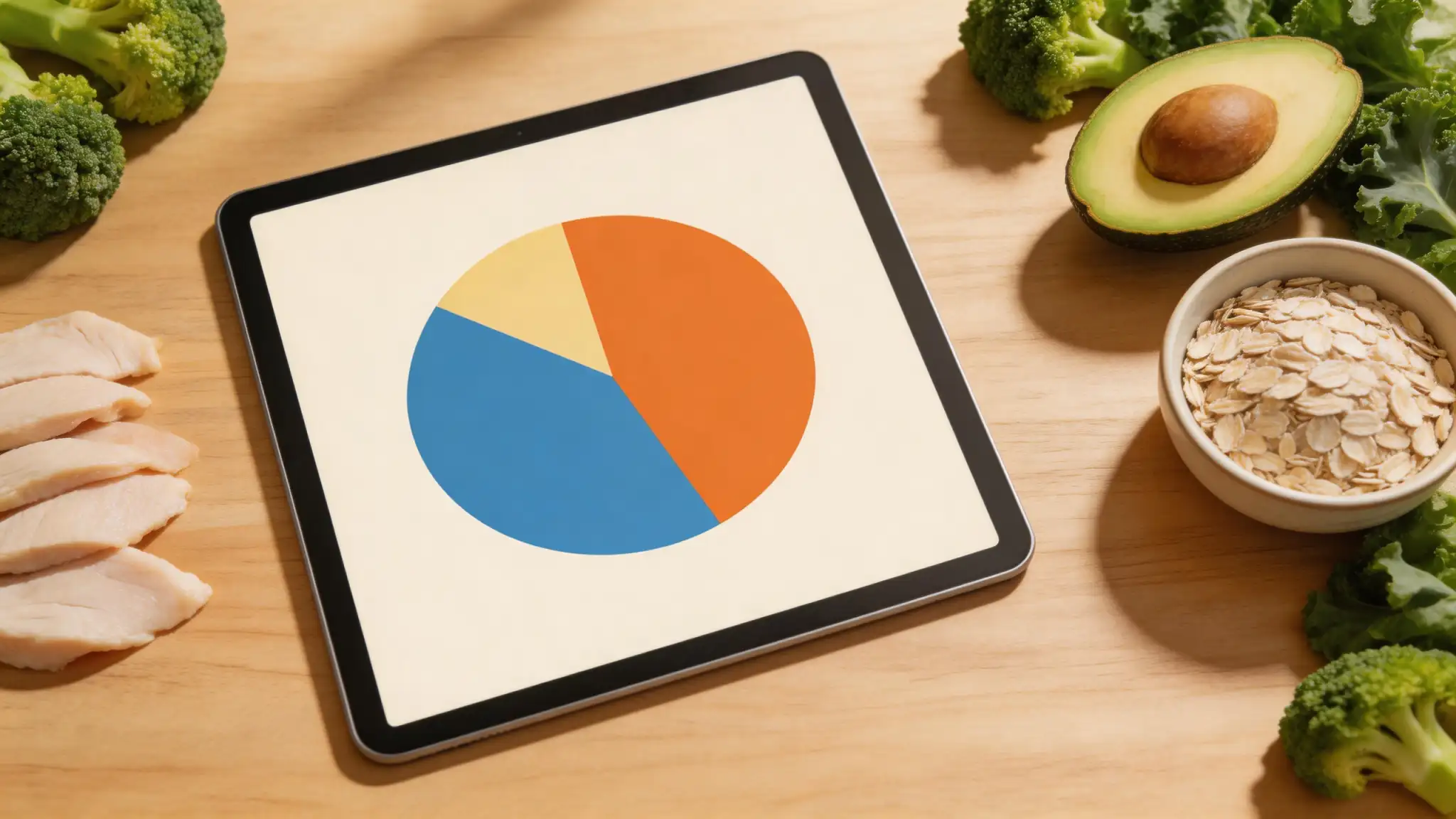
PFC balance refers to the optimal ratio of the three macronutrients your body needs: Protein, Fat, and Carbohydrates. Getting this balance right is essential for everything from weight management and muscle building to sustained energy levels and overall health.
The Role of Each Macronutrient
Macronutrient | Primary Functions | Calories per Gram |
|---|---|---|
Protein (P) | Muscle repair, enzyme production, immune support | 4 calories |
Fat (F) | Hormone production, nutrient absorption, brain function | 9 calories |
Carbohydrates (C) | Primary energy source, brain fuel, fiber | 4 calories |
Source: USDA Dietary Guidelines for Americans 2020-2025
2. Why PFC Balance Matters for Your Health
The Science Behind Macronutrient Balance
Research published in the Journal of the Academy of Nutrition and Dietetics (2024) found that individuals following an optimized PFC balance experienced[1]:
47% better weight management outcomes compared to calorie-only tracking
23% improvement in sustained energy levels throughout the day
31% better preservation of lean muscle mass during weight loss
Consequences of Imbalanced Macros
When your PFC balance is off, you may experience:
Protein deficiency: Muscle loss, weakened immunity, slow metabolism
Excessive fat intake: Increased cardiovascular risk, inflammation
Carb imbalance: Blood sugar crashes, energy fluctuations, fat storage
3. Ideal PFC Ratios for Different Goals
Your ideal PFC ratio depends on your specific health and fitness objectives:
General Health Maintenance
Protein: 20%
Fat: 30%
Carbohydrates: 50%
Weight Loss / Fat Loss
Protein: 30%
Fat: 25%
Carbohydrates: 45%
Muscle Building / Strength Training
Protein: 35%
Fat: 20%
Carbohydrates: 45%
Ketogenic Diet
Protein: 20%
Fat: 75%
Carbohydrates: 5%
Based on recommendations from the American College of Sports Medicine and the Academy of Nutrition and Dietetics.
4. How to Calculate Your PFC (Step-by-Step)
Step 1: Calculate Your Daily Calorie Needs
BMR × Activity Level = Daily Calorie Target
Use the Mifflin-St Jeor Equation for BMR:
Men: (10 × weight in kg) + (6.25 × height in cm) - (5 × age in years) + 5
Women: (10 × weight in kg) + (6.25 × height in cm) - (5 × age in years) - 161
Multiply by activity factor:
Sedentary (little/no exercise): × 1.2
Lightly active (1-3 days/week): × 1.375
Moderately active (3-5 days/week): × 1.55
Very active (6-7 days/week): × 1.725
Extremely active (physical job + training): × 1.9
Step 2: Calculate Each Macronutrient
Example: Weight loss goal with 1,600 daily calories
Protein (30%): 1,600 × 0.30 ÷ 4 = 120g
Fat (25%): 1,600 × 0.25 ÷ 9 = 44g
Carbohydrates (45%): 1,600 × 0.45 ÷ 4 = 180g
Step 3: Track Your Intake
While you can do this manually, using a nutrition management app makes tracking your PFC balance effortless and accurate.
5. Practical Meal Ideas & Recipes
Recipe 1: High-Protein Breakfast Bowl
Macros: P: 28g | F: 14g | C: 42g | Calories: ~420
3 eggs scrambled
1/2 cup oats
1 tbsp almond butter
1/2 cup mixed berries
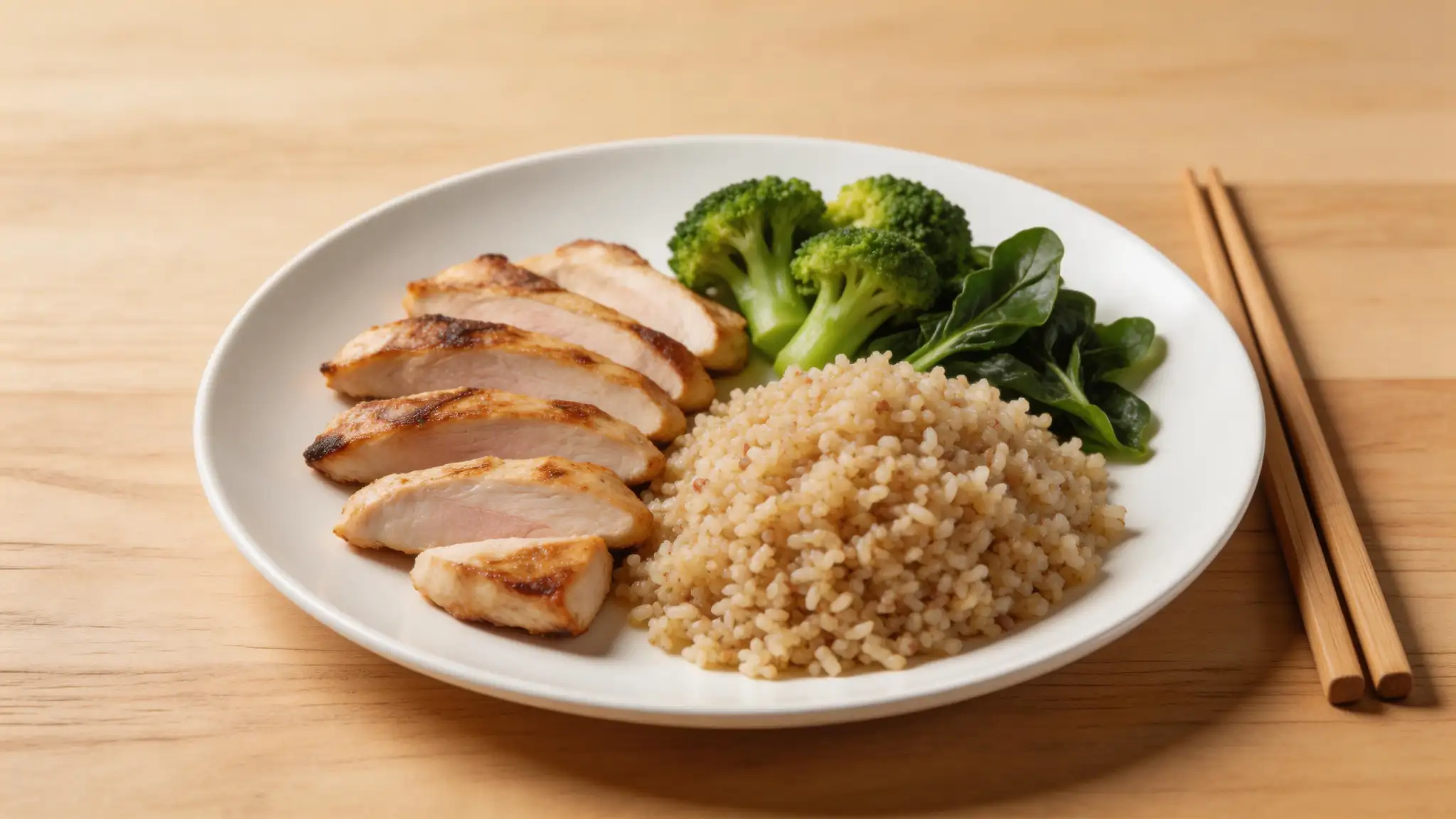
Recipe 2: Balanced Lunch Plate
Macros: P: 35g | F: 16g | C: 48g | Calories: ~500
Grilled chicken breast (5 oz)
Quinoa (1 cup cooked)
Roasted vegetables (1 cup)
1 tbsp olive oil
Recipe 3: Post-Workout Dinner
Macros: P: 40g | F: 12g | C: 55g | Calories: ~540
Salmon fillet (6 oz)
Sweet potato (medium)
Steamed broccoli (1.5 cups)
Side salad with lemon dressing
Recipe 4: Vegetarian Option
Macros: P: 22g | F: 18g | C: 45g | Calories: ~430
Firm tofu (8 oz)
Brown rice (1 cup)
Avocado (1/2 medium)
Chickpeas (1/2 cup)
6. Simplify with Nutrition Management Apps
Manually calculating your PFC balance for every meal can be time-consuming and error-prone. That's where modern nutrition management apps come in.
Key Features to Look For
Automatic macro calculation: Scan barcodes or search food database for instant PFC breakdown
Visual balance tracking: See your daily macro ratios at a glance with charts and graphs
Custom goal setting: Set PFC targets based on your specific goals (weight loss, muscle gain, maintenance)
Recipe analysis: Calculate PFC for entire recipes and meal plans
Why CookGo Stands Out
CookGo is a leading nutrition management app that simplifies PFC tracking with features designed for real-world use:
Recipe import from any website: Automatically calculates PFC for recipes you find online
Smart meal planning: Suggests meals that fit your daily macro targets
Progress tracking: Monitor how your PFC balance affects your goals over time
Community recipes: Access thousands of PFC-optimized recipes from other users
Start tracking your PFC balance effortlessly—it's free to get started.
7. Frequently Asked Questions
Q1: Do I need to hit my exact PFC numbers every day?
A: No. Focus on consistency over perfection. Being within 10-15% of your targets on most days will yield excellent results. Weekly averages matter more than daily precision.
Q2: How do I track PFC when eating out?
A: Many chain restaurants provide nutritional information online. For local restaurants, use your best estimate based on similar dishes. Apps like CookGo have databases for popular restaurant meals.
Q3: Should I adjust PFC ratios if I'm vegetarian or vegan?
A: The ratios remain the same, but food choices differ. Focus on plant-based protein sources (legumes, tofu, tempeh, seitan, quinoa) and include healthy fats from nuts, seeds, and avocados.
Q4: How long does it take to see results from PFC balancing?
A: Most people notice improved energy levels within 1-2 weeks. Visible body composition changes typically appear after 4-6 weeks of consistent tracking.
Q5: Can I drink alcohol and still maintain good PFC balance?
A: Alcohol contains 7 calories per gram and is processed differently than other macros. If you choose to drink, account for the calories and understand that alcohol can temporarily halt fat burning.
The Bottom Line
Mastering your PFC balance is one of the most impactful changes you can make for your health and fitness. Whether your goal is weight loss, muscle gain, or simply feeling better day-to-day, understanding and tracking your protein, fat, and carbohydrate intake puts you in control.
Start with the calculation methods outlined in this guide, use the practical meal ideas to inform your food choices, and consider using a nutrition management app like CookGo to make tracking effortless.
Remember: Perfect is the enemy of good. Start with one meal, track one day at a time, and build the habit gradually.
Get started with CookGo today and take control of your nutrition →
References
Journal of the Academy of Nutrition and Dietetics, "Macronutrient Distribution Patterns and Health Outcomes: A Longitudinal Study" (2024)
USDA Dietary Guidelines for Americans 2020-2025
American College of Sports Medicine, "Nutrition and Athletic Performance" Position Stand (2021)
Position of the Academy of Nutrition and Dietetics: Interventions for the Treatment of Overweight and Obesity in Adults (2022)
Disclaimer: This article is for informational purposes only and does not constitute medical advice. Consult with a healthcare provider or registered dietitian before making significant changes to your diet, especially if you have existing health conditions.