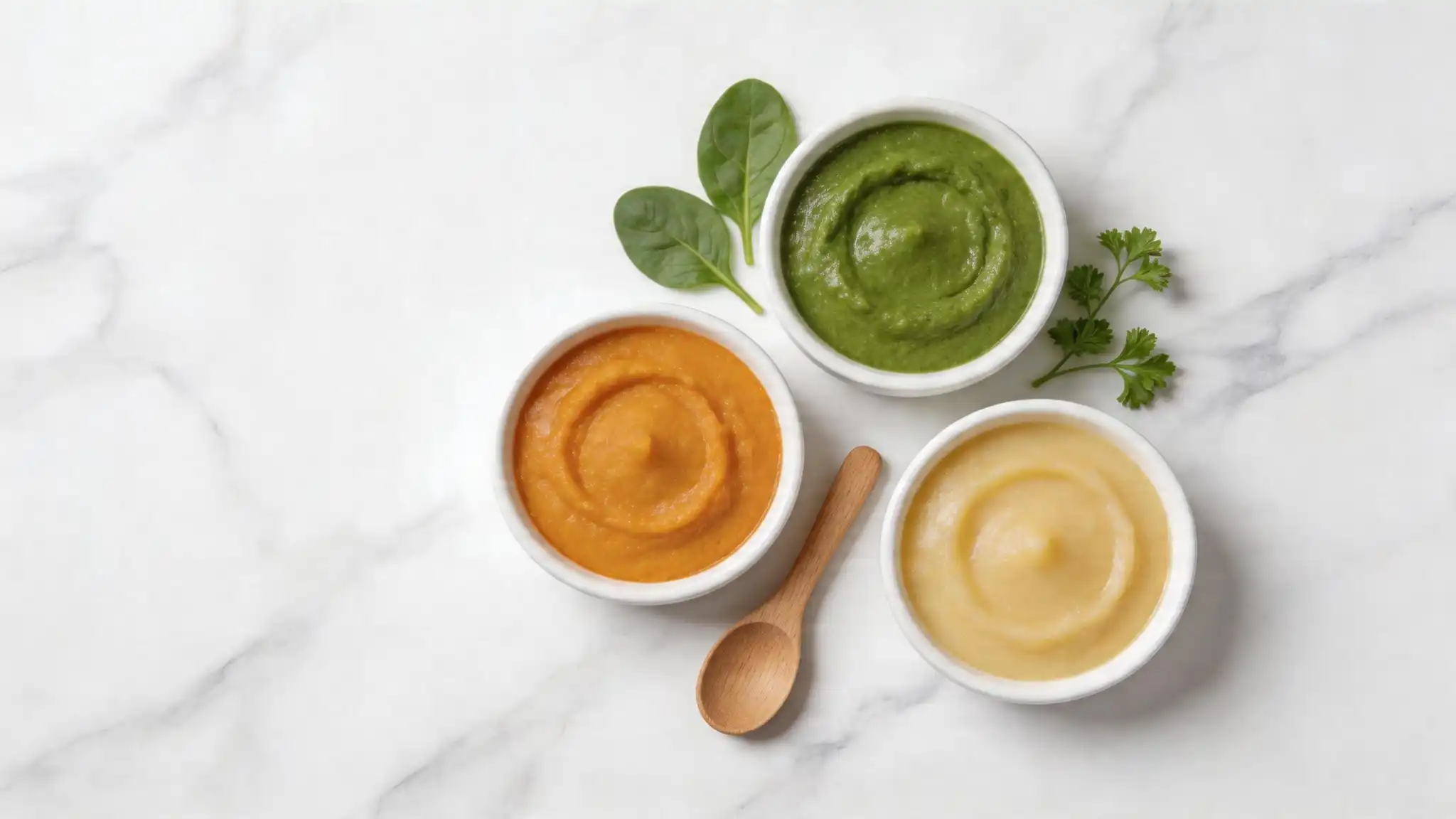
Starting solids is an exciting milestone, but many parents worry about the cost. With baby food prices rising—some organic jars costing $2-3 each—the expenses can add up quickly. The good news? Making your own weaning food at home can reduce your monthly baby food budget by up to 50% while ensuring your little one gets the best nutrition possible [Source: USDA].
In this comprehensive guide, we'll share practical strategies for creating nutritious, budget-friendly weaning meals that won't strain your wallet.
The Real Cost of Weaning: What Parents Need to Know
Before diving into money-saving tips, let's look at the numbers. American families spend an average of $50-100 per month on baby food during the weaning stage (6-12 months) [Source: U.S. Bureau of Labor Statistics]. This includes commercial baby food, snacks, and specialized products.
However, with strategic planning and homemade options, you can slash this to $20-40 per month while actually improving nutritional quality. Here's how:
Step 1: Smart Shopping for Baby Food Ingredients
Buy Seasonal and Local
Seasonal produce isn't just fresher—it's significantly cheaper. Vegetables bought in season can cost 30-50% less than out-of-season alternatives [Source: USDA Economic Research Service].
Spring (March-May): Asparagus, peas, spinach, spring greens
Summer (June-August): Tomatoes, zucchini, sweet corn, peaches, berries
Fall (September-November): Pumpkin, sweet potatoes, apples, squash, carrots
Winter (December-February): Root vegetables, winter squash, frozen vegetables
Affordable Protein Sources
Babies need protein for growth, but it doesn't have to be expensive. Consider these budget-friendly options:
Eggs: At around $3-4 per dozen, one egg costs just $0.25-0.35 and provides excellent protein
Lentils and beans: Dried lentils cost about $1-2 per pound and cook up into multiple servings
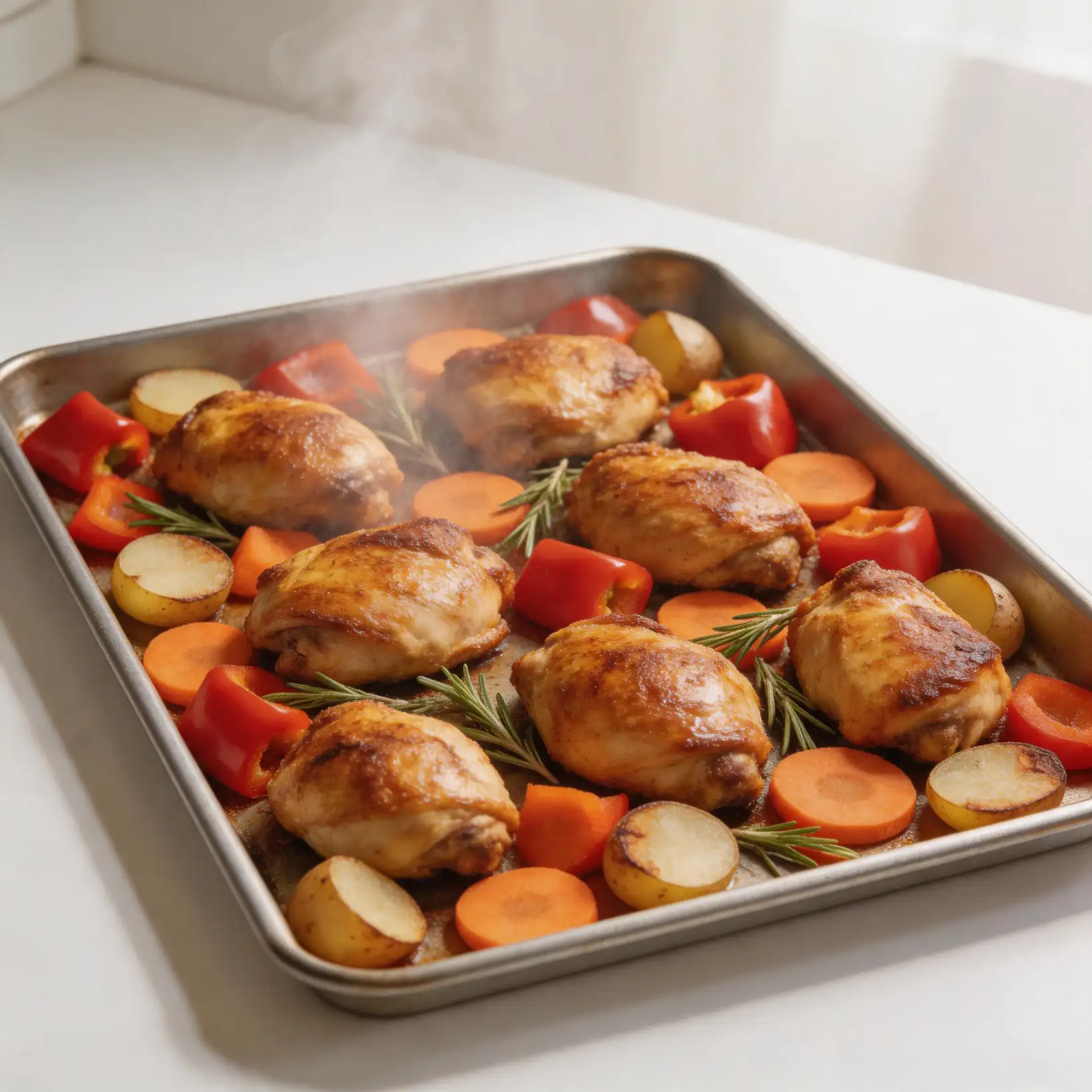
Chicken thighs: Often half the price of chicken breast with more flavor
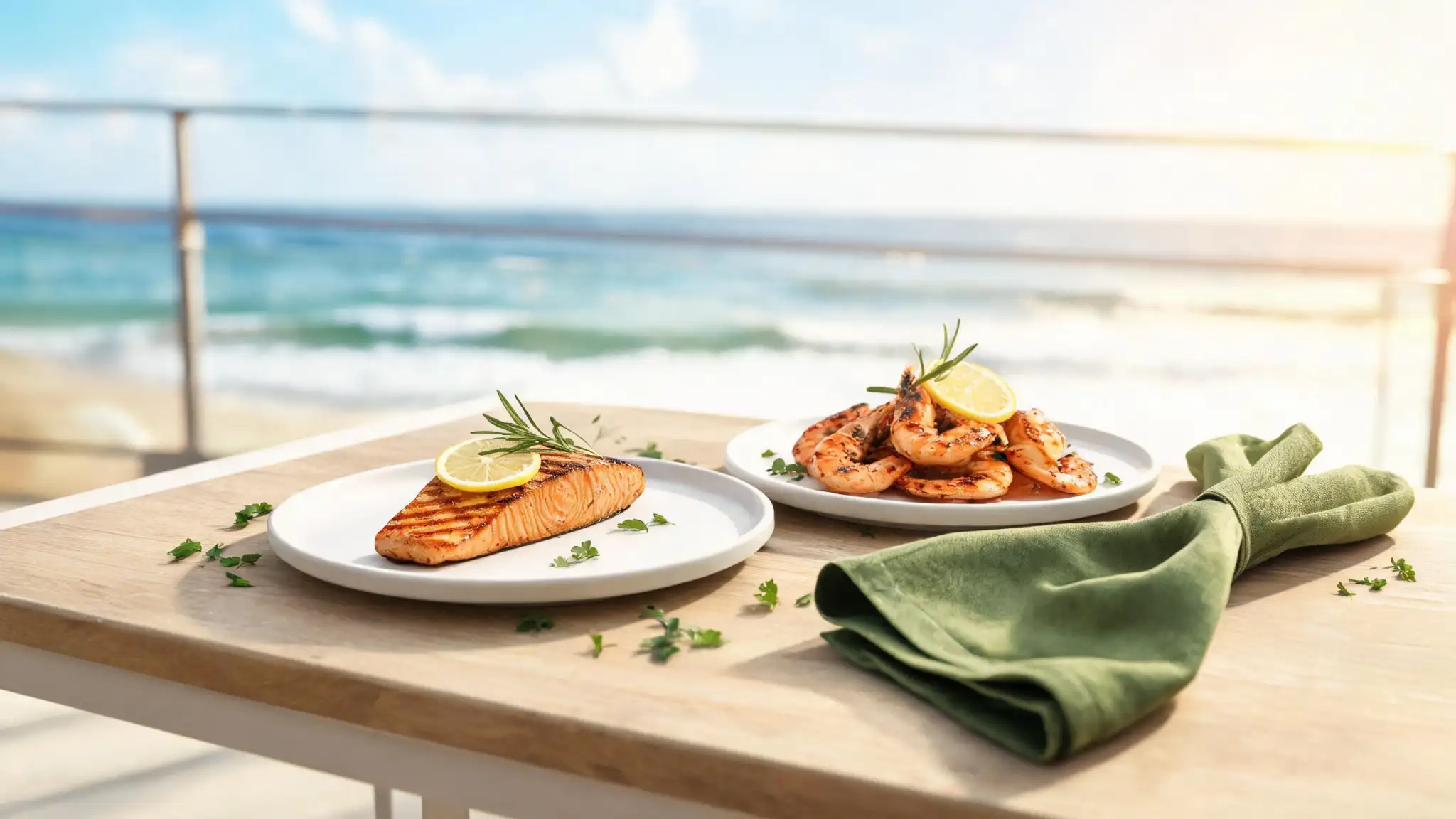
Canned fish: Salmon and sardines (in water, no salt added) offer omega-3s affordably
Frozen vs. Fresh: The Smart Choice
Don't overlook frozen vegetables. They're picked at peak ripeness and flash-frozen, often retaining more nutrients than "fresh" produce that's been transported long distances [Source: FDA]. Plus, they're cheaper and reduce food waste.
Step 2: Time-Saving Recipes That Save Money
One-Pot Wonders
Efficiency is key when you're cooking for baby alongside family meals. These recipes cost less than $1 per serving:
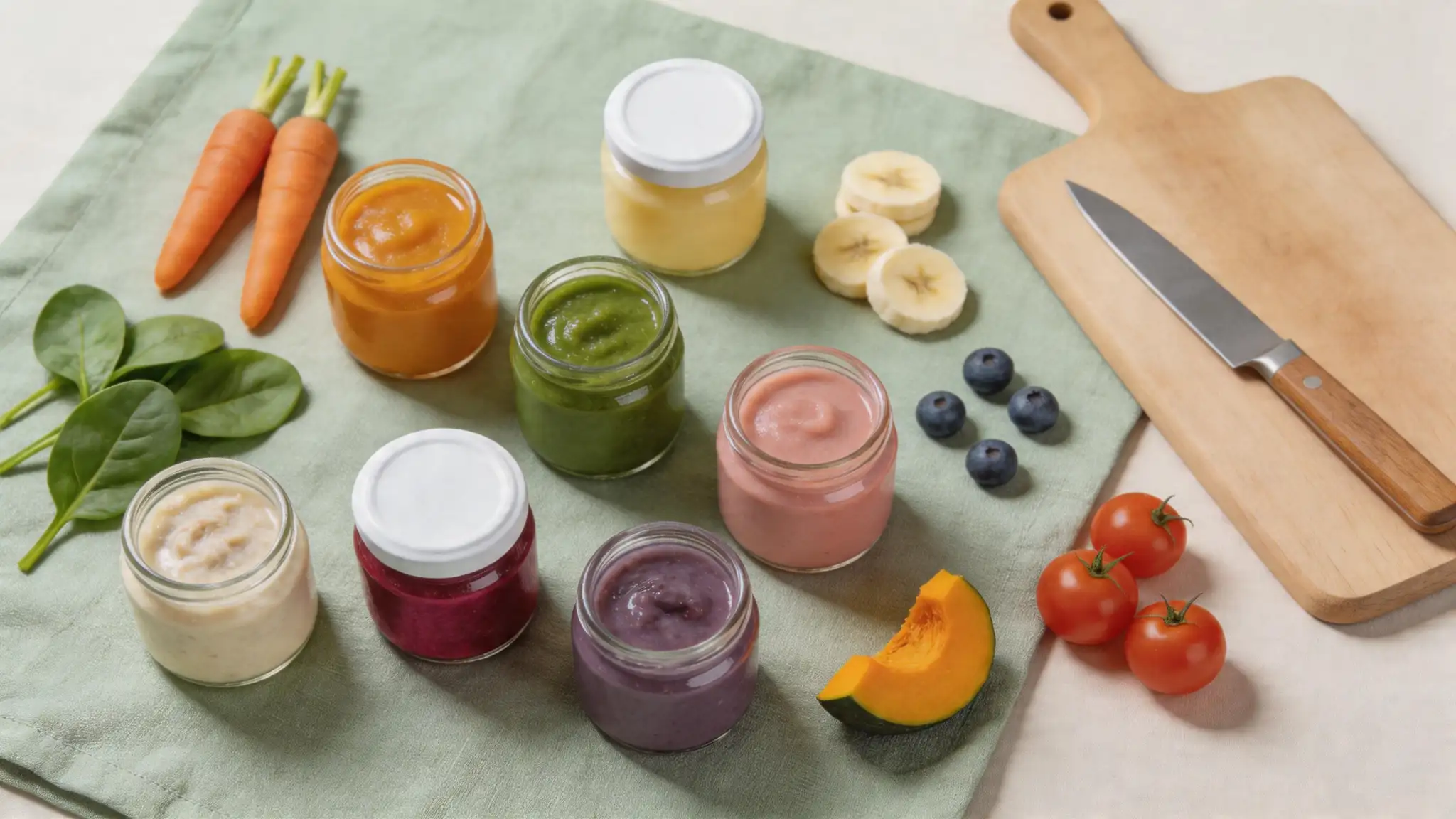
Budget-Friendly Sweet Potato Puree
Cost: ~$0.40 per 4-ounce serving
1. Scrub 2-3 sweet potatoes and prick with fork
2. Microwave on high for 8-10 minutes until soft
3. Scoop flesh into blender with breast milk, formula, or water
4. Blend until smooth and portion into ice cube trays
Lentil and Vegetable Mash
Cost: ~$0.50 per serving
1. Simmer 1 cup red lentils with diced carrots and zucchini
2. Cook until vegetables are tender (about 20 minutes)
3. Mash or blend to desired consistency
4. Freeze in portions
Batch Cooking Strategy
Spend 2 hours on Sunday preparing a week's worth of baby food. You'll save time daily and avoid the temptation of expensive convenience foods when you're tired.
Step 3: Nutritional Balance on a Budget
The Building Blocks of Baby Nutrition
AAP (American Academy of Pediatrics) guidelines suggest introducing a variety of foods to ensure balanced nutrition [Source: AAP]:
Iron-rich foods: Essential after 6 months when baby's iron stores deplete
Healthy fats: Important for brain development (avocado, olive oil, nut butters)
Fruits and vegetables: Provide vitamins, minerals, and fiber
Grains: Offer energy and additional iron when fortified
Budget Iron Sources
Iron deficiency is common in infants, but supplements aren't always necessary. Try these affordable iron-rich foods:
Iron-fortified oatmeal (buy store brands to save)
Dark turkey meat
Blackstrap molasses (small amounts mixed into purees)
Dark leafy greens like spinach
Step 4: Making Store-Bought Work for You
When to Choose Commercial Baby Food
There's no shame in using store-bought options strategically. Commercial baby food is perfect for:
- Travel and restaurants
- Emergency backup when you run out of homemade
- Trying new flavors before committing to a large batch
Smart Buying Tips
Buy in bulk when on sale
Compare unit prices—bigger isn't always cheaper
Check generic/store brands with identical ingredients
Use coupons and loyalty programs
Money-Saving Meal Plans by Stage
Stage 1 (6-7 months): Smooth Purees
Weekly budget: $8-12
Focus on single-ingredient purees: sweet potato, butternut squash, applesauce, pear, carrots, and peas. These staples cost pennies per serving.
Stage 2 (7-9 months): Combined Flavors
Weekly budget: $10-15
Start mixing flavors: apple + sweet potato, chicken + carrot, pea + mint. Add small amounts of protein.
Stage 3 (9-12 months): Textured Foods
Weekly budget: $12-18
Mashed family foods, soft finger foods, and more variety. Baby eats what you eat with minor modifications.
Real Parent Tips for Maximum Savings
Join a local produce co-op – Get fresh vegetables at wholesale prices
Grow herbs on your windowsill – Fresh flavor boosters cost almost nothing
Accept hand-me-downs – Baby food makers and blenders from friends
Make friends with your freezer – Batch cook and freeze in ice cube trays
Skip the "baby" label – Regular plain yogurt, oatmeal, and applesauce are identical but cheaper
Bottom Line: Quality Nutrition on Any Budget
Weaning your baby on a budget isn't about compromise—it's about smart choices. By focusing on seasonal produce, affordable proteins, and batch cooking, you can provide exceptional nutrition while spending less than $40 per month.
Remember, the most expensive option isn't always the healthiest. Fresh, homemade food prepared with care often surpasses premium store-bought alternatives in both nutrition and flavor.
Make Meal Planning Even Easier
Take the stress out of weaning with CookGo. Our AI recipe parser helps you save recipes from anywhere, automatically generates shopping lists to prevent waste, and keeps your meal plans organized—all while tracking your budget.
Frequently Asked Questions
Is homemade baby food really cheaper?
Yes! Homemade baby food typically costs 40-60% less than store-bought jars and pouches. One $2 sweet potato can make 8-10 servings versus buying individual jars at $1.50-2.50 each.
How long does homemade baby food last?
Refrigerated: 48-72 hours. Frozen: Up to 3 months for best quality, though safe indefinitely. Label everything with dates!
What's the cheapest way to start weaning?
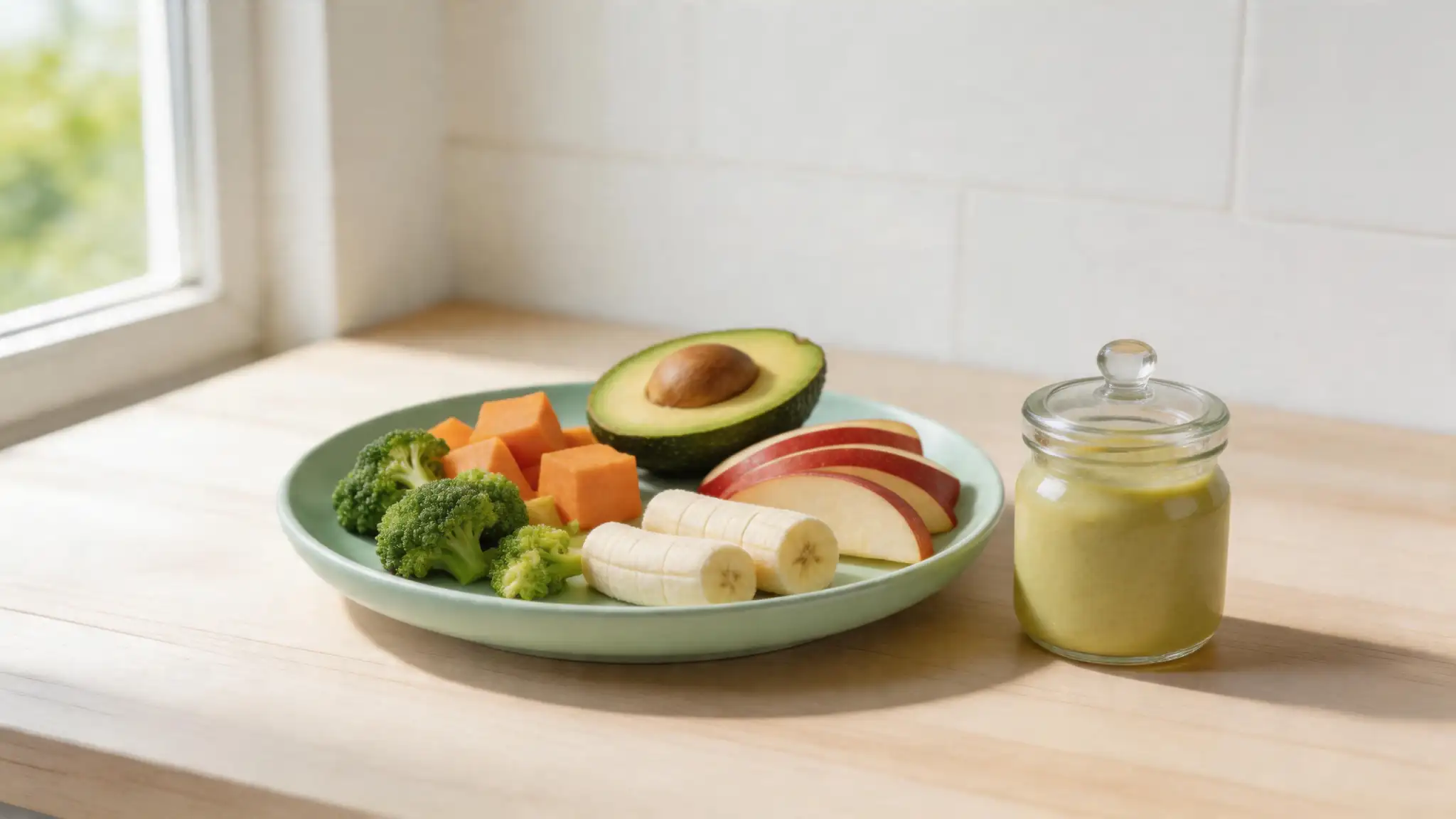
Begin with mashed banana or avocado—no cooking required! Then introduce steamed and mashed vegetables like sweet potato and carrots, which are inexpensive year-round.
Do I need special equipment?
Not at all. A regular pot for steaming, a fork for mashing, and ice cube trays for freezing are all you really need. A basic blender is helpful but optional.
Last updated: April 2026. Always consult your pediatrician before introducing new foods to your baby. For the latest infant feeding guidelines, visit CDC Infant and Toddler Nutrition.