Why Pantry Organization Matters More Than Ever
If you've ever bought a jar of spices only to discover three unopened jars hiding in the back of your pantry, you're not alone. Disorganized pantries don't just create clutter — they cost money, waste food, and add unnecessary stress to meal planning.
According to the U.S. Environmental Protection Agency, food waste is the single largest category of material placed in municipal landfills. A well-organized pantry with a smart inventory system is one of the most effective ways to combat this problem at the household level.
In this guide, we'll walk you through proven pantry organization methods, introduce the benefits of smart inventory tracking, and show you how CookGo's AI Pantry Matching can automatically recommend recipes based on what you already own — helping you save money, reduce waste, and cook more creatively.
Pantry Organization Methods That Actually Work
Before you buy a single storage container, start with these foundational organization principles. They work whether you have a spacious walk-in pantry or a tiny apartment cabinet.
1. Zone Your Pantry by Category
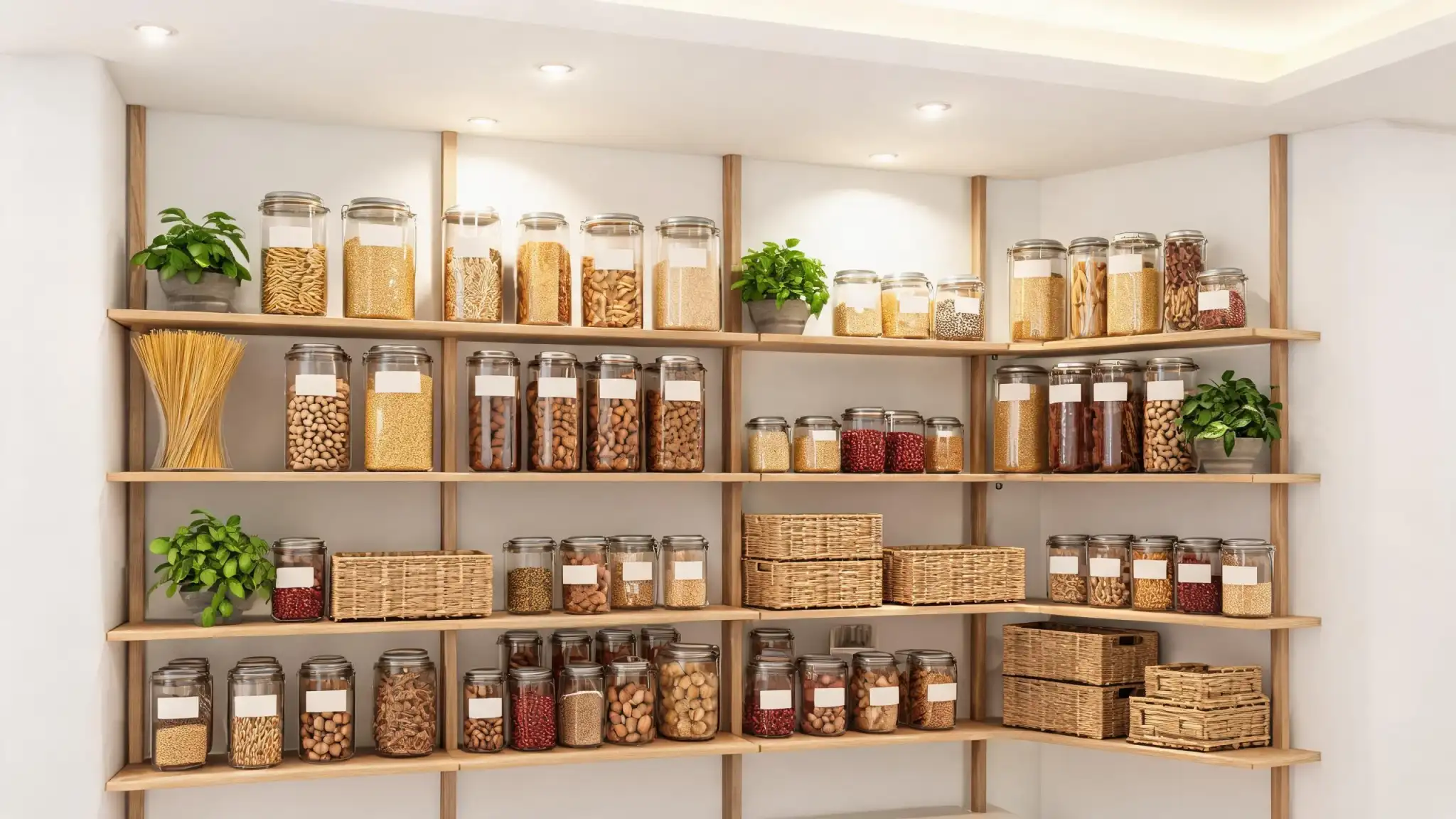
Group like items together so you can instantly see what you have. Recommended zones include:
Grains & Pasta: Rice, quinoa, oats, pasta, cereals
Canned & Jarred Goods: Beans, tomatoes, soups, sauces
Baking Supplies: Flour, sugar, baking powder, vanilla, chocolate chips
Snacks: Nuts, chips, crackers, granola bars
Spices & Oils: Cooking oils, vinegar, spice jars, seasonings
Breakfast: Coffee, tea, syrup, jam, nut butters
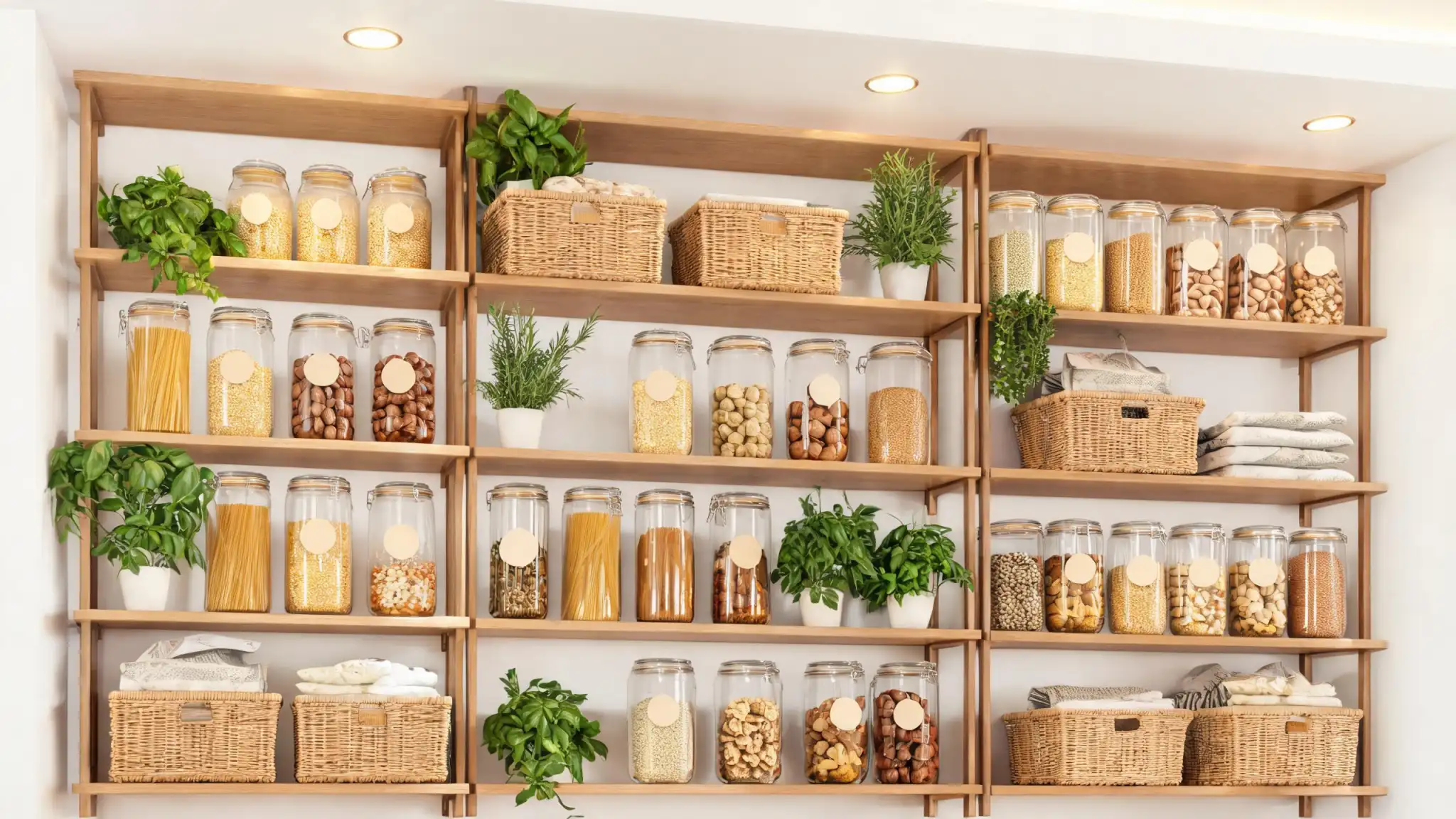
2. Use Clear Containers with Labels
Decanting dry goods into clear, airtight containers serves two purposes: you can see exactly how much you have at a glance, and your ingredients stay fresher longer. According to FDA food storage guidelines, airtight containers also help prevent contamination and extend shelf life.
3. Implement a First-In, First-Out (FIFO) System
When restocking, place newer items behind older ones. This simple habit ensures nothing expires in the back of the shelf while you use the newer items first.
4. Maximize Vertical Space
For small kitchens, tiered shelf risers, over-the-door organizers, and stackable bins can double your usable space. Door-mounted spice racks and hanging baskets are particularly effective for narrow pantries.
5. Create a "Use It Up" Bin
Designate one basket or shelf for items approaching their expiration date. This visual reminder encourages you to plan meals around these ingredients before they go to waste.
The Rise of Smart Pantry Inventory Systems
Traditional pantry organization is helpful, but it has one major flaw: it relies on your memory. Did you remember to write "olive oil" on the grocery list? When does that quinoa expire? Smart pantry inventory systems solve this by digitizing your pantry.
What Is a Smart Pantry Inventory?
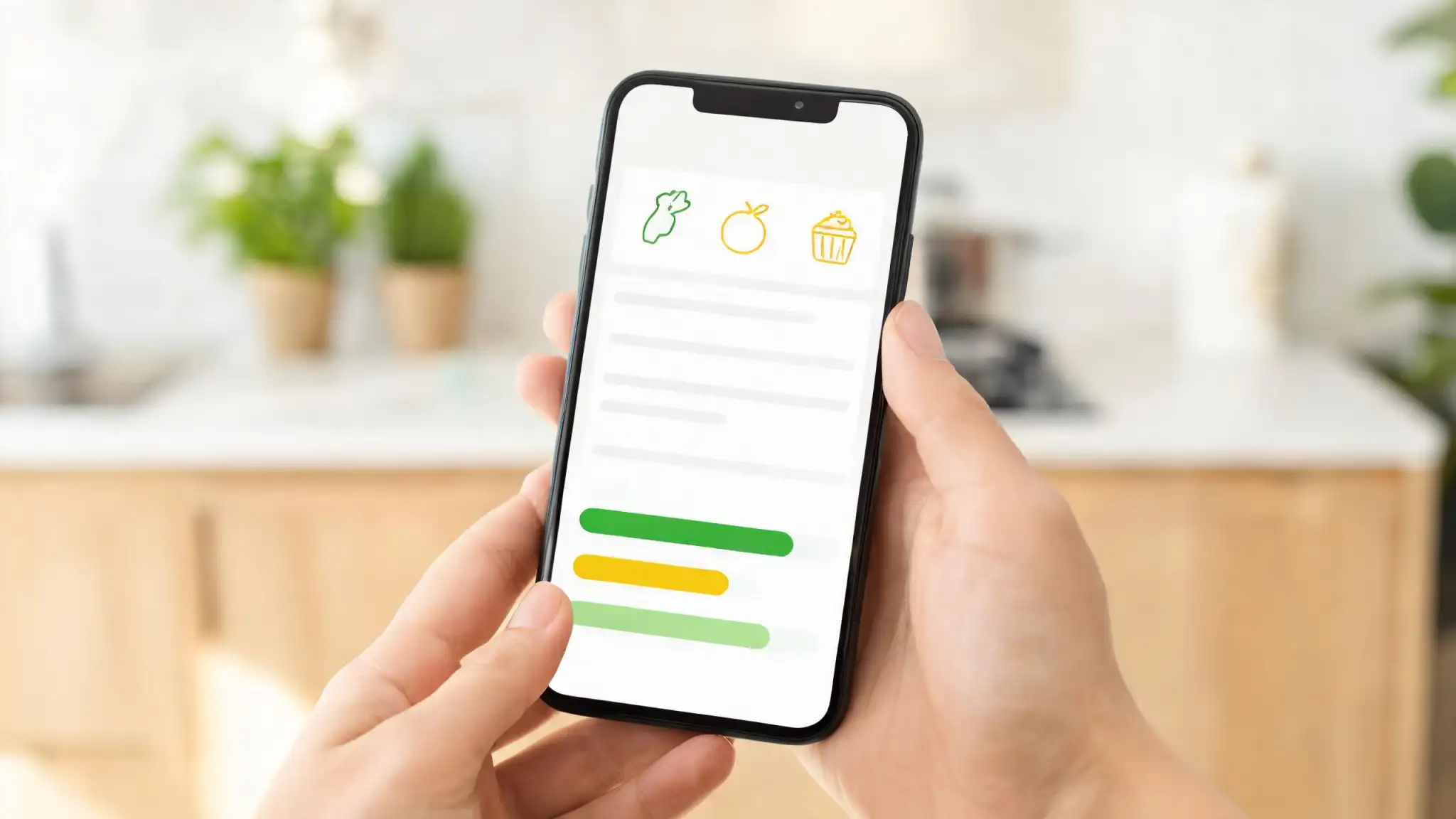
A smart pantry inventory is a digital record of everything in your pantry, typically managed through an app. You scan barcodes, take photos, or manually log items as you buy and use them. The app tracks quantities, monitors expiration dates, and can even generate shopping lists automatically.
Benefits of Smart Inventory Tracking
Reduce food waste: Get alerts before items expire. According to Feeding America, the average family of four wastes about $1,500 annually on uneaten food. Smart tracking can cut this significantly.
Save money: Stop buying duplicates. With a digital inventory, you'll always know what you have before heading to the store.
Streamline meal planning: See your full inventory at a glance and plan meals around ingredients you already own.
Simplify shopping: Auto-generated shopping lists based on what you've used ensure you never forget essentials.
Digital Pantry Organizer Features to Look For
When choosing a pantry inventory app, prioritize these features:
Barcode scanning: Quickly add items by scanning product barcodes.
Expiration tracking: Automatic alerts when items are nearing their use-by date.
Recipe integration: The app suggests recipes based on what you already have.
Shopping list sync: Seamlessly transfer depleted items to your grocery list.
Multi-device access: Check your pantry from your phone while at the store.
The Healthy Pantry Staples List Every Kitchen Needs
A well-stocked pantry isn't just organized — it's also nutritious. Here's a curated list of versatile, healthy staples that form the foundation of countless meals:
Whole Grains & Legumes
Brown rice, quinoa, whole wheat pasta, oats
Dried or canned beans: black beans, chickpeas, lentils
Whole grain bread (store in freezer for longer life)
Healthy Canned & Jarred Goods
Diced tomatoes, tomato paste
Low-sodium vegetable or chicken broth
Coconut milk, tahini, nut butters
Olives, capers, roasted red peppers
Cooking Oils & Vinegars
Extra virgin olive oil, avocado oil
Apple cider vinegar, balsamic vinegar, rice vinegar
Toasted sesame oil for finishing
Dried Herbs & Spices
Basil, oregano, thyme, cumin, paprika, turmeric, cinnamon
Sea salt, black pepper, red pepper flakes
Garlic powder, onion powder, ginger powder
Nuts, Seeds & Dried Fruit
Almonds, walnuts, cashews, pumpkin seeds, chia seeds
Dried cranberries, raisins, dates (unsweetened when possible)
With these staples on hand, you can whip up a healthy meal even when the fridge is nearly empty. WHO dietary guidelines emphasize whole grains, legumes, and minimally processed foods as the foundation of a healthy diet — and all of these store beautifully in a well-organized pantry.
Pantry Organization Ideas for Small Kitchens
Not everyone has a dedicated pantry room. If you're working with limited cabinet space, these strategies will help you maximize every square inch:
1. Use Cabinet Door Interiors
Install narrow wire racks or adhesive hooks on the inside of cabinet doors to hold spice jars, measuring cups, or small packets of sauce.
2. Invest in Nesting Containers
Square or rectangular nesting containers use space more efficiently than round ones. Look for stackable sets that fit your shelf dimensions precisely.
3. Add a Rolling Cart
A slim rolling cart (about 6–8 inches wide) can serve as a mobile pantry extension. Store it in an unused corner and roll it out when cooking.
4. Use Wall-Mounted Magnetic Racks
Magnetic spice jars attached to a wall-mounted metal strip free up valuable shelf space while keeping seasonings visible and accessible.
5. Under-Shelf Baskets
These wire baskets clip onto existing shelves, effectively creating a second tier of storage for lightweight items like bread, wraps, or snack bags.
How CookGo AI Pantry Matching Transforms Your Kitchen
Now that your pantry is organized and your staples are stocked, here's where things get truly smart. CookGo's AI Pantry Matching takes pantry inventory to the next level by connecting your on-hand ingredients directly to personalized recipe recommendations.
Scan Your Pantry, Get Instant Recipe Ideas
Simply tell CookGo what's in your pantry — or snap a photo of your shelves — and the AI analyzes your ingredients. Within seconds, it suggests recipes you can make without buying anything extra. Got a can of chickpeas, a jar of tahini, and half a lemon? CookGo might suggest homemade hummus with a twist.
Reduce Waste with "Use It Up" Recipes
CookGo prioritizes ingredients that are about to expire. If your spinach is looking slightly wilted or your yogurt is nearing its date, the AI will surface recipes that use those items first — helping you reduce food waste and save money simultaneously.
Smart Substitutions When You're Missing Something
Missing a specific ingredient? CookGo's AI suggests intelligent substitutions based on what you do have. No buttermilk? It might recommend a milk-and-lemon-juice substitute. Out of eggs? It can find vegan alternatives using flaxseed or applesauce.
Auto-Generated Shopping Lists from Meal Plans
When you select recipes for the week, CookGo cross-references them against your pantry inventory and generates a shopping list containing only what you actually need. No more guessing, no more duplicate purchases.
Family Preferences and Dietary Restrictions
CookGo learns your household's preferences over time. Gluten-free? Low-sodium? Feeding picky eaters? The AI tailors its recipe suggestions to match your family's unique needs while still maximizing the ingredients you already own.
Ready to turn your organized pantry into a meal-planning powerhouse? Try CookGo for free and see how AI Pantry Matching can change the way you cook.
Frequently Asked Questions
How often should I update my pantry inventory?
For the best results, update your inventory after each grocery trip and once a week for regular usage. With a smart app like CookGo, this takes less than two minutes and ensures your recipe recommendations stay accurate.
What's the best way to store flour and grains long-term?
Store flour and grains in airtight glass or BPA-free plastic containers in a cool, dark place. For long-term storage (over 3 months), consider adding oxygen absorbers or storing in the freezer to prevent rancidity and pest issues.
Can smart pantry apps really reduce food waste?
Yes. According to EPA data, the average household wastes between 30–40% of its food. Inventory tracking and expiration alerts can reduce this by 25–50%, saving hundreds of dollars per year.
What's the difference between a pantry inventory app and a meal planning app?
A pantry inventory app tracks what you have. A meal planning app tells you what to cook. CookGo combines both: it tracks your pantry and generates recipes based on those ingredients, closing the loop between inventory and action.
How does AI Pantry Matching work?
CookGo's AI analyzes your logged pantry items, cross-references them with a database of thousands of recipes, and ranks suggestions by ingredient match percentage. It also considers expiration dates, dietary preferences, and cooking time to deliver personalized recommendations.
Is pantry organization worth the effort for renters?
Absolutely. Most organization solutions — clear bins, shelf risers, labeled containers — are portable and require no permanent installation. When you move, your organization system moves with you.
Start Your Smart Pantry Journey Today
An organized pantry isn't just about aesthetics — it's about saving money, reducing waste, and making cooking less stressful. By combining time-tested organization methods with modern smart inventory technology, you can transform even the smallest kitchen into an efficient, waste-free cooking space.
Start with the basics: declutter, zone by category, and invest in clear containers. Then level up with a smart pantry inventory app that tracks what you have, alerts you to expiring items, and suggests recipes based on your real inventory.
With CookGo's AI Pantry Matching, the gap between "what's in my pantry" and "what's for dinner" disappears entirely. The AI becomes your kitchen assistant, helping you shop smarter, waste less, and cook better meals with less effort.
Your future self — and your wallet — will thank you.
Download CookGo for Free — Available on iOS and Android.
About the Author: This article was researched and written by the CookGo Editorial Team, a group of food scientists, home organizers, and recipe developers dedicated to making home cooking simpler, smarter, and more sustainable.
Sources & References: