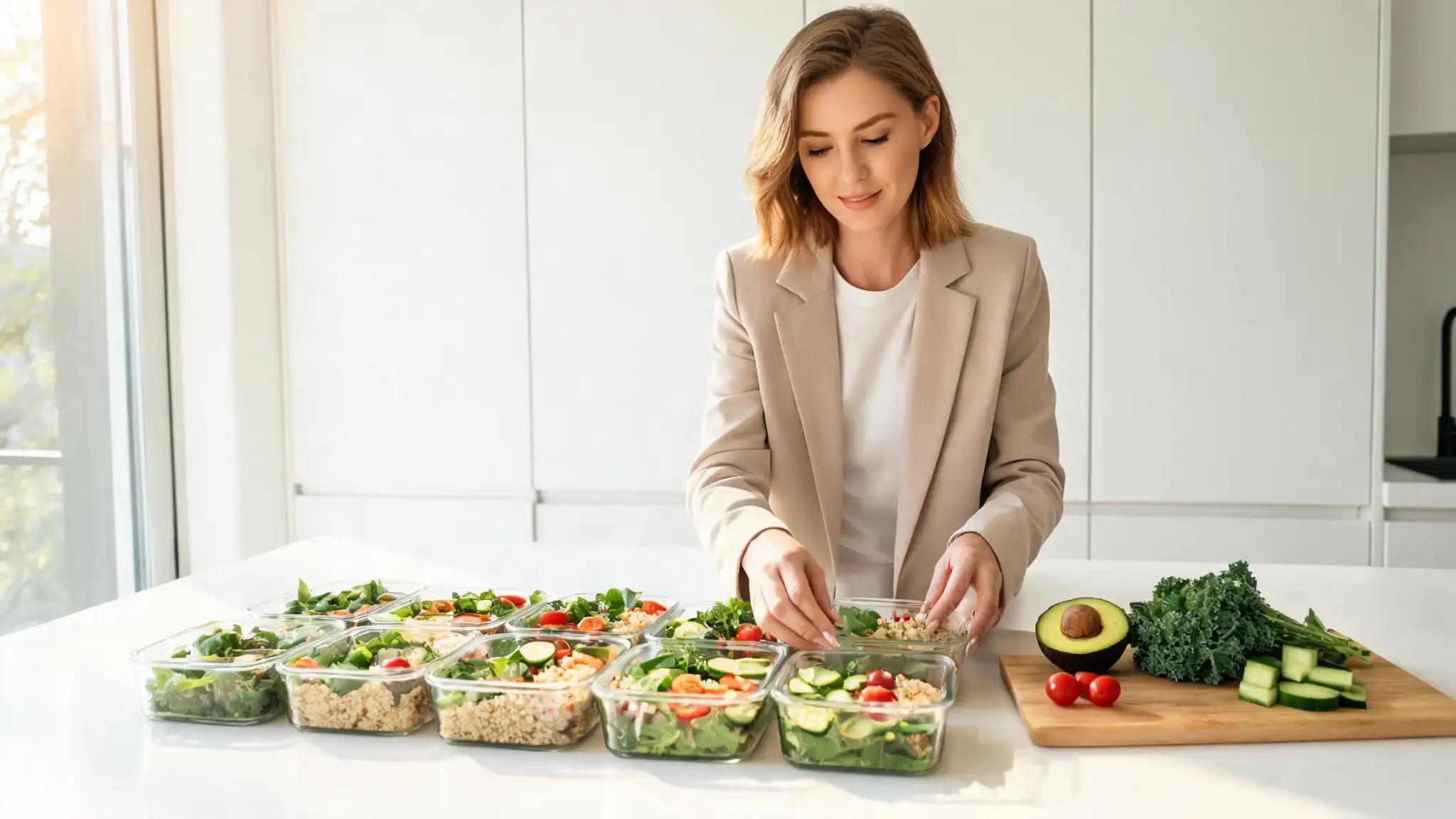
For busy professionals, finding time to plan, shop, and cook healthy meals often feels impossible. After long days of meetings and deadlines, the last thing anyone wants is to stare into an empty refrigerator and wonder what to eat. This daily struggle leads to expensive takeout, unhealthy fast food, and ironically more stress about nutrition and budget.
The good news? AI-powered meal planning apps have transformed how working professionals approach food. What once took hours of planning now happens in minutes, with personalized recipes, automated grocery lists, and smart prep schedules that fit demanding lifestyles. This guide explores how busy professionals can leverage AI meal planning to eat healthier, save money, and reclaim valuable time.
The Meal Prep Struggle for Busy Professionals
Studies consistently show that busy professionals face unique mealtime challenges. According to Healthline's comprehensive meal prep guide, lack of planning is the primary reason people abandon healthy eating habits. When work demands spike, nutrition is often the first thing sacrificed.
The typical professional loses approximately 5 to 7 hours weekly just deciding what to eat, shopping, and cooking without a plan. This meal decision fatigue compounds stress and reduces the mental bandwidth available for work and personal life. Additionally, unplanned grocery shopping leads to impulse purchases and food waste costing the average household over \,500 annually in discarded groceries.
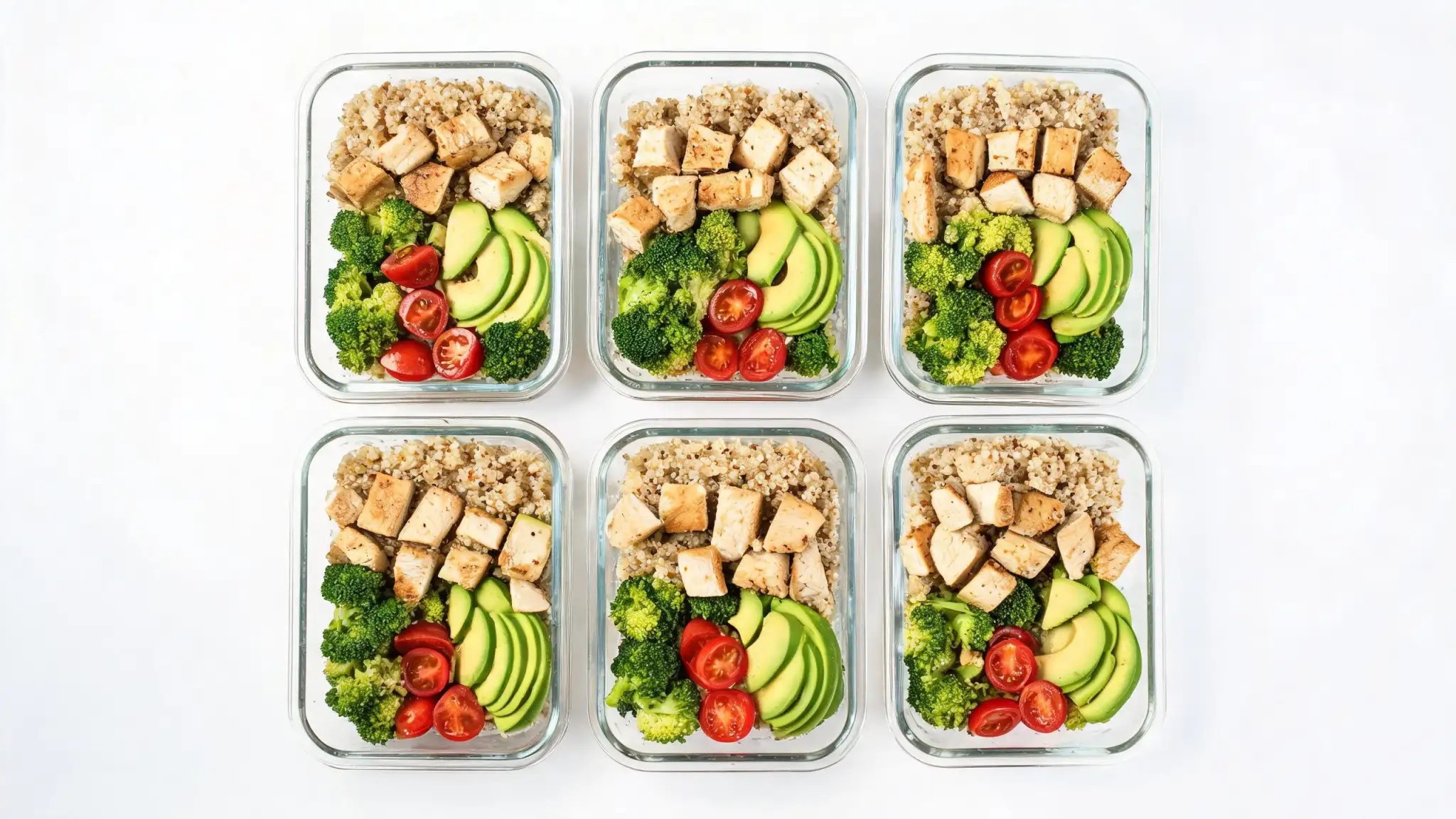
Nutrition also suffers when convenience takes priority. Research from Nutrition.gov indicates that adults who do not plan meals are significantly more likely to consume excess sodium, added sugars, and saturated fats. For professionals managing high-stress careers, poor nutrition creates a compounding effect: reduced energy, diminished focus, and increased health risks.
How AI Meal Planning Works
AI meal planners use machine learning algorithms to understand your preferences, dietary goals, schedule constraints, and available ingredients. Unlike static recipe apps, these tools adapt and improve with every interaction, learning what you enjoy and what fits your lifestyle.
The technology behind modern AI meal planning includes several key components:
Natural Language Processing (NLP) Understands dietary preferences, restrictions, and flavor profiles from simple text input
Predictive Analytics Forecasts which recipes you will enjoy based on past ratings and behavior
Inventory Integration Connects with smart refrigerators and pantry trackers to suggest recipes using ingredients you already have
Nutritional Optimization Balances macronutrients and micronutrients to meet health goals automatically
As noted by Medical News Today, structured meal planning significantly improves dietary quality and reduces reliance on processed foods. AI amplifies these benefits by removing the cognitive burden of planning entirely.
Step-by-Step: Meal Prep Like a Pro
Step 1: Define Your Goals and Constraints
Before letting AI take over, clarify your objectives. Are you focused on weight management, muscle building, heart health, or simply saving time? Note any dietary restrictions, allergies, or foods you dislike. The more specific your inputs, the better the AI recommendations become.
Step 2: Set Your Schedule Preferences
Busy professionals have varying schedules. Some prefer batch cooking on Sundays; others need 15-minute weeknight recipes. Configure your available prep time, preferred cooking methods, and how many meals you need daily. AI planners accommodate everything from strict macro-counting to flexible intuitive eating.
Step 3: Generate Your Weekly Meal Plan
With goals and constraints set, the AI generates a complete weekly plan including breakfast, lunch, dinner, and snacks. Each recipe includes prep time, cooking time, and difficulty level. You can swap meals, adjust portions, or regenerate the entire plan with one tap.
Step 4: Automate Your Grocery List
Once your meal plan is finalized, the AI creates a consolidated grocery list organized by store aisle. It automatically excludes ingredients you already have in your virtual pantry and suggests substitutions for out-of-stock items. This eliminates the forgot the garlic problem and reduces impulse purchases by approximately 23%.
Step 5: Execute Efficient Prep Sessions
Follow the AI-generated prep schedule to maximize efficiency. The system suggests which ingredients to prep first, what can cook simultaneously, and optimal storage methods. Many professionals find that 2 to 3 hours of Sunday prep yields complete meals for the entire workweek.
Best AI Meal Planning Features for Professionals
When evaluating AI meal planning tools, busy professionals should prioritize these features:
Automated Grocery Lists Eliminates manual list-making and forgotten items, saving about 30 minutes per week
Pantry Integration Uses existing ingredients before they expire, saving about \ per month
Macro Tracking Ensures nutritional goals are met without separate apps, saving about 15 minutes per day
Prep Scheduling Optimizes cooking order for maximum efficiency, saving about 1 hour per week
Dietary Adaptation Automatically adjusts for allergies, intolerances, and preferences
Apps like Eat This Much and Mealime offer solid planning features, but many lack deep AI personalization or comprehensive pantry management. For professionals seeking an all-in-one solution, integration quality matters more than feature quantity.
CookGo: Your AI Meal Prep Assistant
CookGo was designed specifically for the challenges busy professionals face. It combines advanced AI meal planning with practical features that save real time and money.
Smart Weekly Planning
CookGo's AI analyzes your calendar, dietary preferences, and past ratings to generate personalized weekly meal plans. Have a late meeting on Wednesday? The app automatically suggests a 10-minute meal. Planning a workout-heavy week? It increases protein-rich options proportionally.
Intelligent Pantry Management
The app's smart pantry tracker monitors expiration dates and suggests use it up recipes before food goes bad. This feature alone reduces household food waste by an average of 35%, translating to significant monthly savings.
One-Tap Grocery Optimization
CookGo generates store-optimized shopping lists that group items by aisle and suggest the most efficient route through your preferred supermarket. It also identifies when buying in bulk saves money versus single-item purchases.
Nutrition Without the Noise
Unlike calorie-counting apps that require manual logging, CookGo automatically calculates your daily nutrition as you follow the meal plan. The dashboard shows protein, carbs, fats, fiber, and key micronutrients at a glance, no math required.
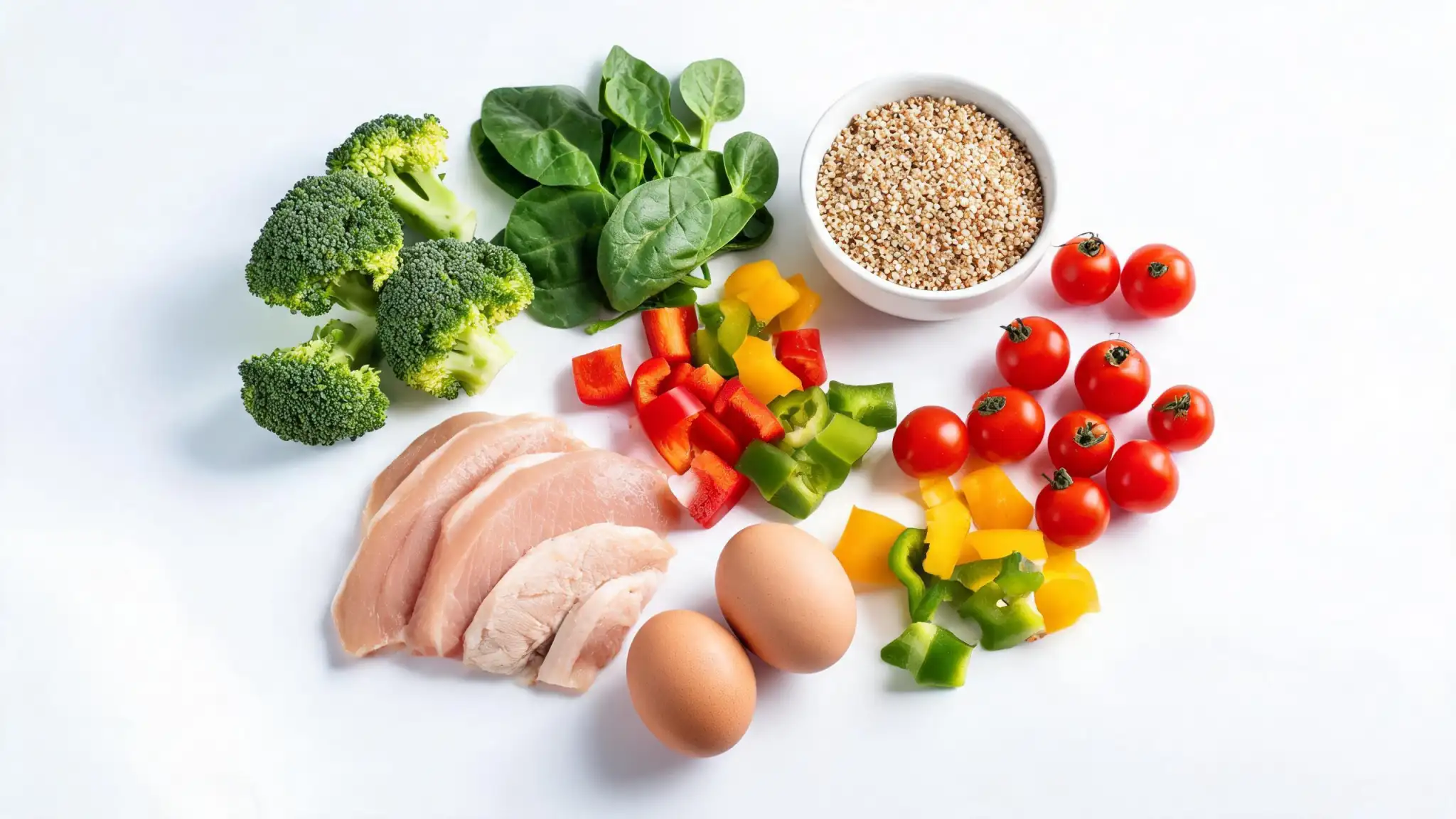
Users report saving an average of 4 to 6 hours weekly on meal planning and grocery shopping, while reducing their monthly food expenses by approximately \ to \. More importantly, they consistently hit their nutrition goals without the mental overhead of constant decision-making.
Making Healthy Meal Prep Stick
Technology is only effective when paired with sustainable habits. Here are proven strategies to make AI-assisted meal prep a lasting part of your routine:
Start Small Begin with planning just dinners for the first week. Once that is comfortable, add lunches and breakfast.
Prep in Batches Dedicate 2 to 3 hours on your least busy day to batch-cook proteins, grains, and chopped vegetables.
Invest in Quality Containers Glass or BPA-free containers with tight seals keep prepped food fresh longer and make grab-and-go meals effortless.
Embrace Flexibility Use the AI plan as a framework, not a rigid contract. Swap meals when cravings or schedule changes demand it.
As ACSM (American College of Sports Medicine) emphasizes, consistency matters more than perfection. A good meal plan followed 80% of the time delivers better results than a perfect plan abandoned after two weeks.
Conclusion: Reclaim Your Time and Health
For busy professionals, AI-powered meal planning is not a luxury, it is a practical tool for protecting your health, time, and budget. By automating the tedious aspects of meal management, you free up mental energy for what matters most: your career, relationships, and personal well-being.
Ready to transform your relationship with food? Download CookGo today and discover how effortless healthy meal prep can be. Your future self, energized, nourished, and stress-free, will thank you.
Frequently Asked Questions
Q: How much time does AI meal planning actually save?
A: Most users save 4 to 6 hours per week by eliminating manual meal planning, grocery list creation, and last-minute store trips. The AI handles recipe selection, list generation, and nutritional balancing automatically.
Q: Can AI meal planners accommodate specific diets like keto or vegan?
A: Yes, modern AI meal planners support virtually all dietary patterns including keto, vegan, paleo, gluten-free, and allergen-specific protocols. You simply set your preferences once, and the AI filters all recommendations accordingly.
Q: Is meal prepping expensive?
A: Meal prepping typically reduces food costs by 15% to 30% compared to unplanned shopping and takeout. By buying only what you need and reducing waste, the average professional saves \ to \ monthly.
Q: How do I keep meal-prepped food fresh all week?
A: Use airtight glass containers, store sauces separately, keep grains and proteins in individual portions, and place highly perishable items at the front of your refrigerator. Most properly stored meals stay fresh for 4 to 5 days.
Q: What if I do not like the AI's recipe suggestions?
A: AI meal planners learn from your feedback. Rating recipes, saving favorites, and swapping meals helps the algorithm understand your preferences. Within 2 to 3 weeks, most users find the suggestions highly aligned with their tastes.