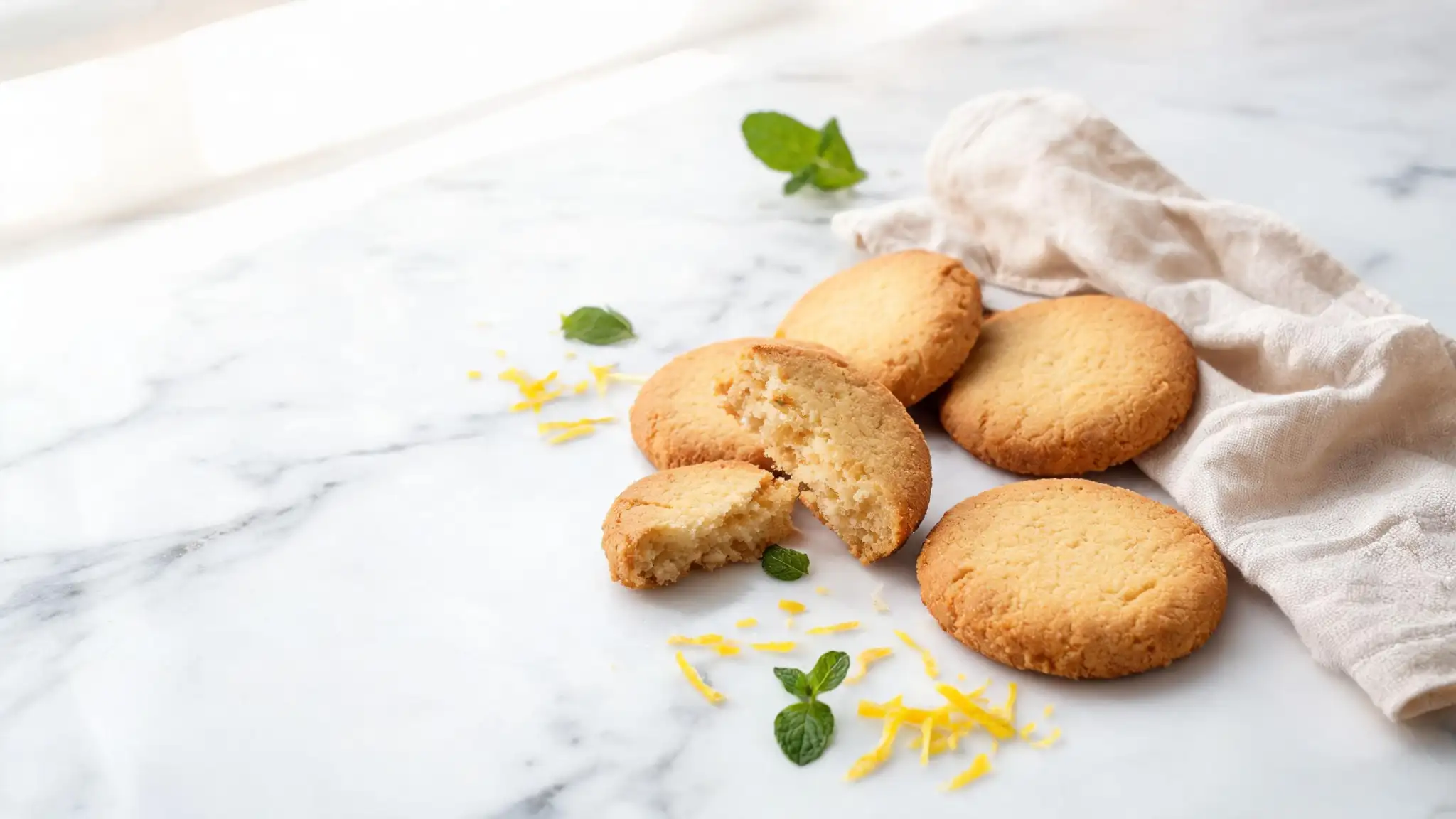
If you have ever wondered how French bakeries produce those tender, sandy butter cookies, this sablé recipe is the answer. Sablés are the ultimate beginner-friendly French pastry: no piping bags, no temperamental meringue, and no special equipment. Just butter, sugar, flour, and a little patience.
What Are Sablé Cookies?
The word sablé comes from the French for "sandy," and it perfectly describes the cookie's signature texture. According to Wikipedia's entry on sablé, these shortbread-style biscuits originated in Normandy and are traditionally made with butter, sugar, and flour. Some recipes add egg yolk for richness, while others keep the dough egg-free. Either way, the goal is a cookie that feels crisp on the outside but melts in your mouth the moment you bite in.
Compared to American sugar cookies, sablés are less sweet and far more buttery. Compared to Scottish shortbread, they are more delicate because the dough usually contains egg yolk. That balance makes them ideal for afternoon tea, holiday gifting, or a simple dessert.
Ingredients for Classic French Sablé Cookies
This recipe uses pantry staples, but quality matters. Because sablés have so few components, every flavor shines through.
1 cup (225 g) unsalted butter, softened but still cool
½ cup (100 g) granulated sugar
¼ cup (30 g) powdered sugar, sifted
2 large egg yolks, room temperature
2 teaspoons pure vanilla extract
2¼ cups (280 g) all-purpose flour
¼ teaspoon fine sea salt
Optional: coarse sugar, sparkling sugar, or flaked sea salt for finishing
For a closely related butter-cookie technique, Baking With Butter's sable cookie guide offers a useful visual reference for dough consistency and slice thickness.
Equipment You'll Need
Stand mixer or hand mixer
Large mixing bowl and rubber spatula
Plastic wrap
Baking sheets lined with parchment paper
Wire cooling rack
Step-by-Step Instructions
Cream the butter and sugars. Beat the butter, granulated sugar, and powdered sugar on medium speed until pale and fluffy, about 3 minutes. Creaming adds air and helps the cookies hold their shape while still turning tender.
Add the yolks and vanilla. Beat in the egg yolks one at a time, followed by the vanilla extract. Scrape down the bowl so everything is evenly combined.
Mix in the dry ingredients. Add the flour and salt. Mix on low speed just until no streaks of flour remain. The dough will look crumbly but should come together into a soft mass when pressed.
Shape the dough into a log. Turn the dough onto a lightly floured surface and divide it in half. Roll each half into a log about 1½ inches (4 cm) in diameter. Wrap tightly in plastic wrap.
Chill thoroughly. Refrigerate the logs for at least 2 hours, or overnight. Chilling firms the butter and prevents the cookies from spreading into puddles.
Slice and bake. Preheat your oven to 325°F (165°C). Unwrap one log and slice it into ¼-inch (6 mm) rounds. Place the rounds 1 inch apart on parchment-lined baking sheets. Sprinkle with coarse sugar or a tiny pinch of flaked salt if desired. Bake for 14 to 16 minutes, until the edges are just golden and the centers look set but still pale.
Cool completely. Let the cookies rest on the baking sheet for 5 minutes, then transfer them to a wire rack. They will feel soft when warm but firm up as they cool, developing that characteristic sandy snap.
Pro Tips for Perfect Sablés
Keep the butter cool. If your kitchen is warm, chill the bowl and beaters for 10 minutes before creaming. Overly soft butter is the main reason sablé cookies lose their shape.
Do not overmix the dough. Once the flour is added, mix only until incorporated. Overworking develops gluten and gives the cookies a tough, bread-like texture instead of a tender crumb.
Use a sharp knife. A thin, sharp knife slices the chilled log cleanly. If the log softens while slicing, return it to the refrigerator for 15 minutes.
Bake low and slow. Sablés are pale cookies. Baking at 325°F rather than 350°F ensures even coloring and prevents over-browning.
Flavor variations. Add 1 tablespoon of lemon zest, ½ teaspoon of almond extract, or 1 teaspoon of culinary lavender for a personalized twist.
Make-Ahead, Storage, and Gifting
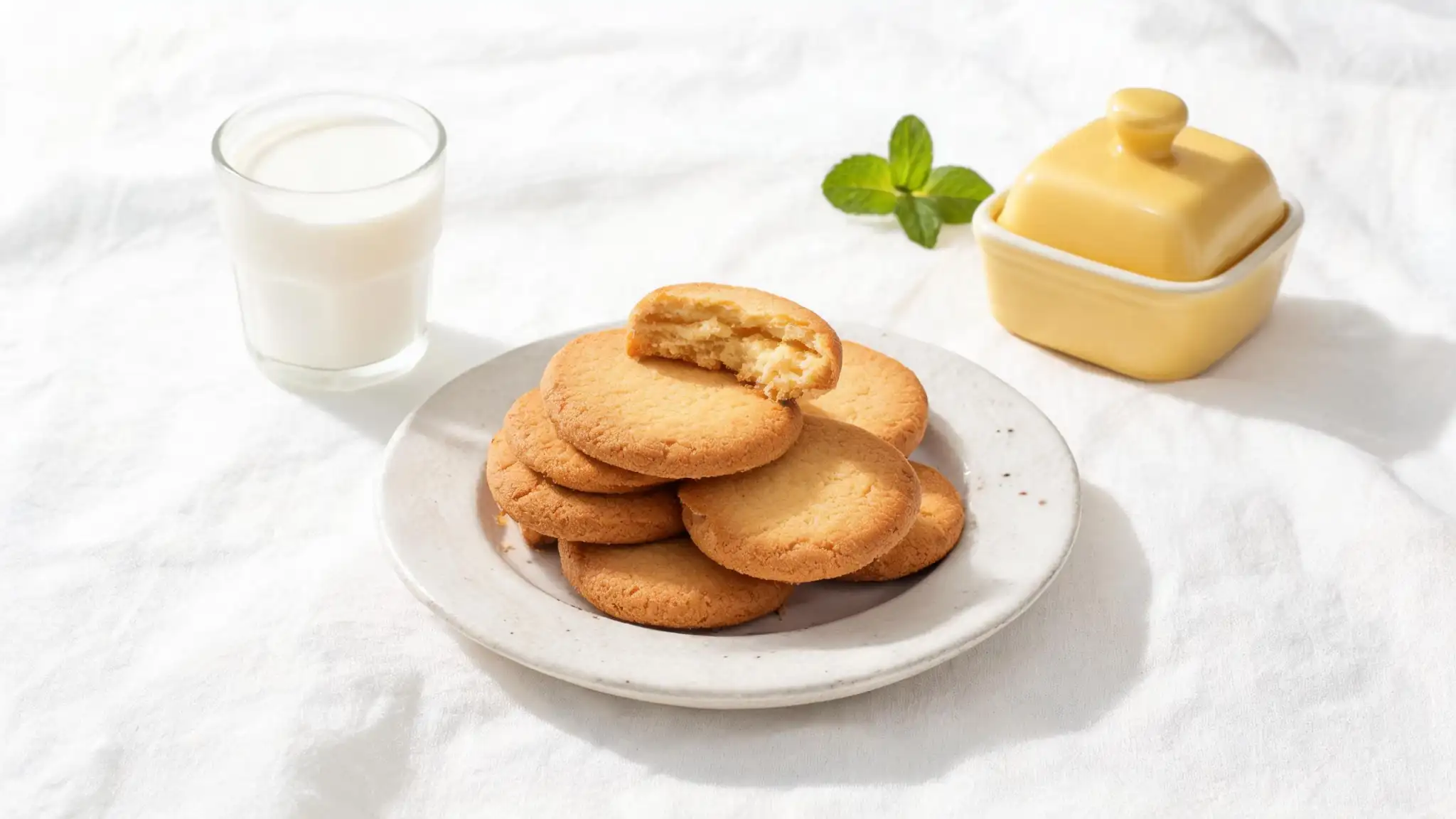
One of the best things about sablé cookies is how well they keep. Stored in an airtight container at room temperature, they stay fresh for up to 1 week. For longer storage, freeze baked cookies in a single layer, then transfer to a freezer bag for up to 3 months. The dough itself also freezes beautifully: wrap the log tightly and freeze for up to 3 months, then slice and bake straight from the freezer.
For gifting, stack the cooled cookies in a tin lined with parchment paper with a small flavor card. Their simple, elegant appearance makes them look far more expensive than they are to make.
Frequently Asked Questions
What is the difference between sablé and shortbread cookies?
Sablé and shortbread share butter, sugar, and flour, but sablé cookies are French-style and typically include egg yolk, which gives them a richer flavor and a more delicate, sandy crumb. Shortbread is Scottish in origin and often contains no egg, resulting in a firmer, more compact texture.
Why are my sablé cookies spreading too much in the oven?
The most common cause is butter that is too warm or dough that was not chilled long enough. French sable cookie dough should be firm before slicing. Chill the shaped log for at least 2 hours, or overnight, and keep the dough cold while working in batches.
Can I make sablé cookie dough ahead of time?
Yes. The dough log can be refrigerated for up to 3 days or frozen for up to 3 months. Wrap it tightly in plastic wrap, then slice from frozen and add 1 to 2 minutes to the baking time. This makes sablé cookies an excellent make-ahead holiday recipe.
Do I need special cookie cutters for sablés?
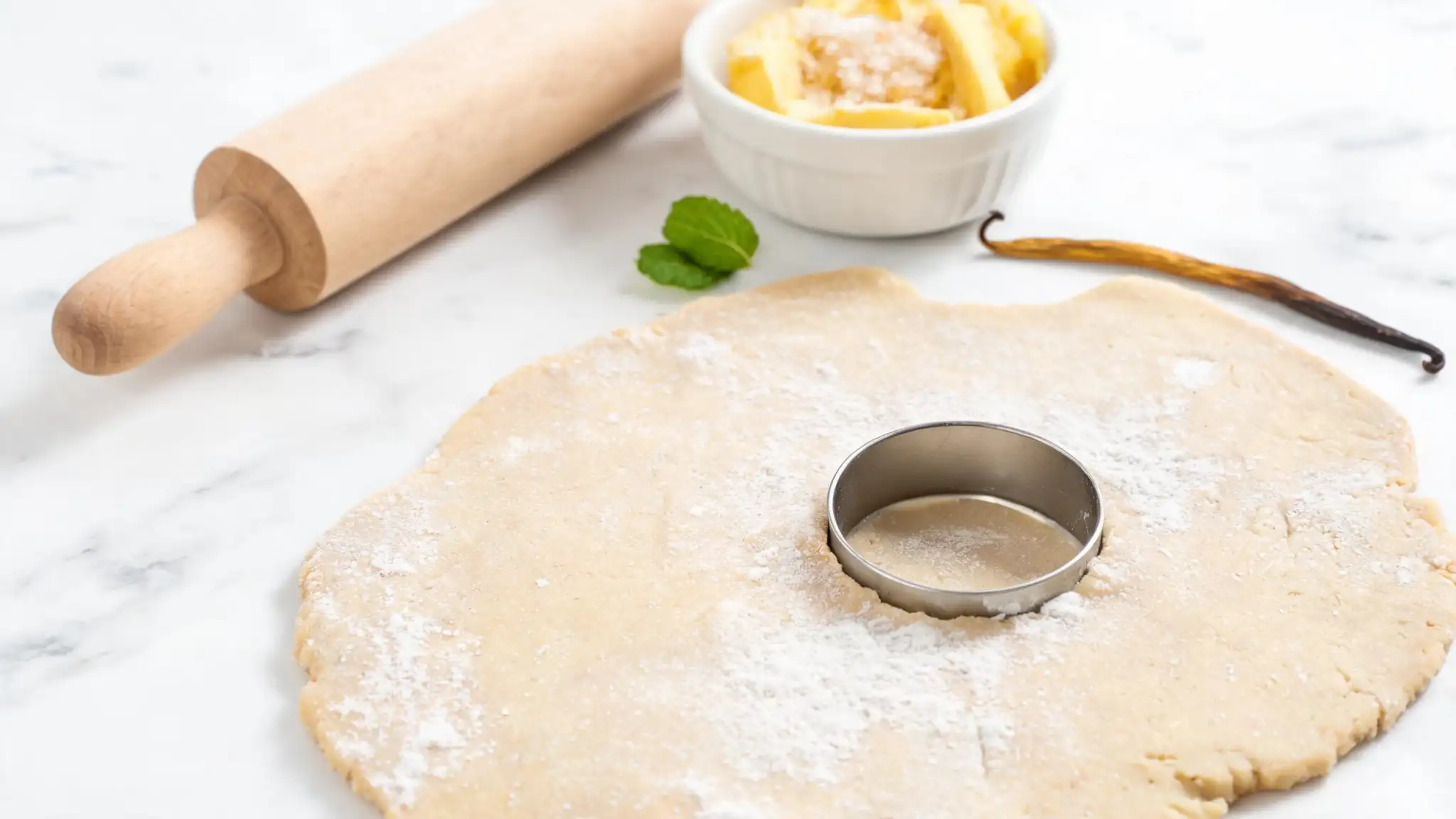
No. The classic home-baker method is to roll the dough into a log, chill it, and slice it into rounds. You can also roll out the chilled dough and cut it with any cookie cutter you have.
Take the Stress Out of Baking with CookGo
Ready to bake more confidently? The CookGo app helps you organize recipes, build shopping lists, and scale ingredient amounts with one tap. Whether you are planning a holiday cookie tray or saving a dependable French butter cookie recipe, CookGo keeps your kitchen organized so you can focus on the fun part.