By CookGo Recipe Research Team | Published April 25, 2026
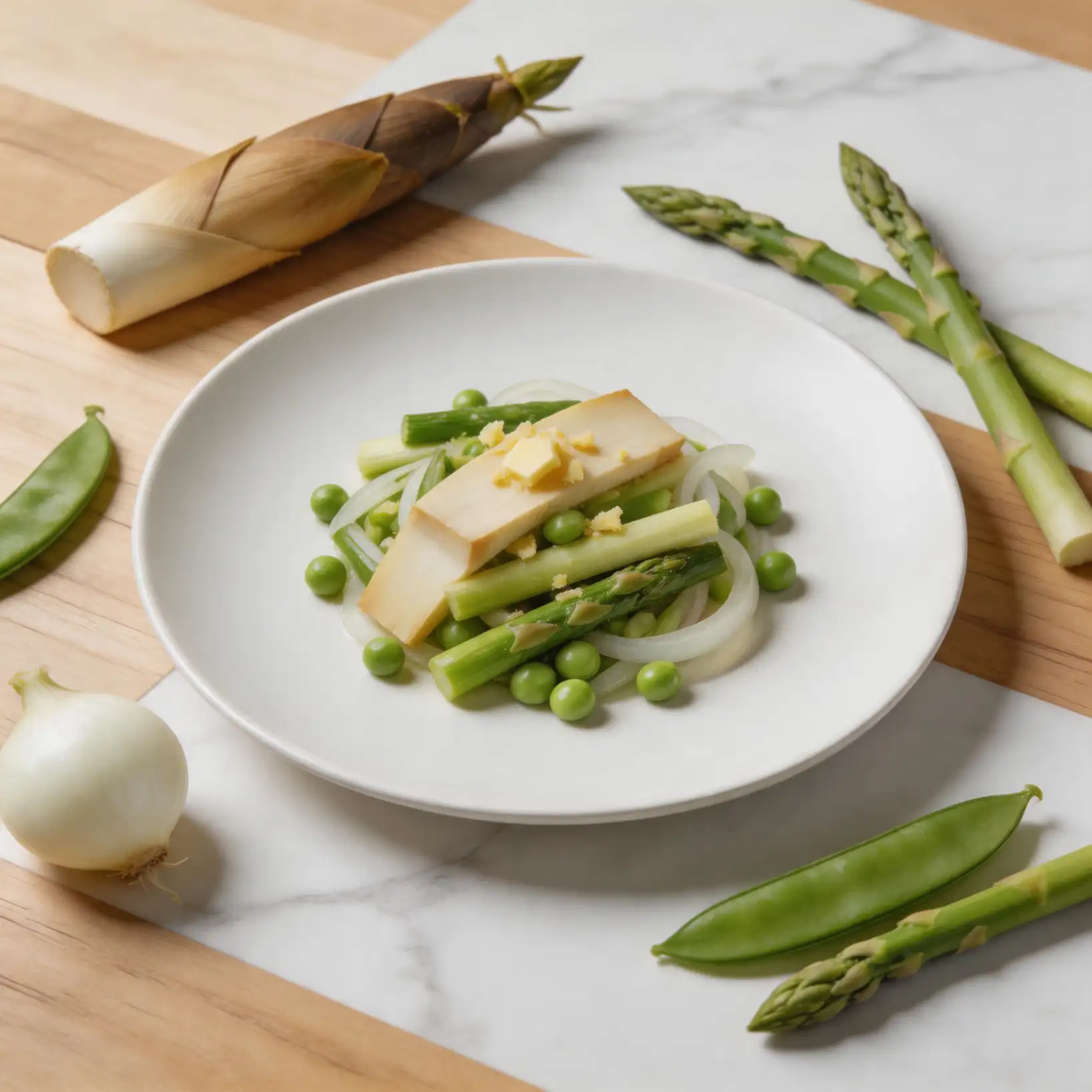
Spring is the season when farmers' markets burst with color and grocery stores drop prices on the freshest produce of the year. If you have ever wondered why spring vegetables recipes trend every April and May, the answer is simple: this is when asparagus, peas, rhubarb, and tender greens hit peak flavor while costing up to 40% less than off-season imports. For busy families juggling work, school, and endless to-do lists, seasonal cooking is not just a foodie trend—it is a practical strategy for eating well without breaking the bank or the clock.
According to the USDA Seasonal Produce Guide, buying vegetables in season supports local agriculture, reduces transportation emissions, and delivers higher nutrient density because produce is harvested at its natural ripening peak. For American families, this translates to fresher meals, bigger portions, and smaller grocery bills. In this guide, we will walk you through four budget recipes built around star spring ingredients, share smart shopping tips backed by government data, and show you how CookGo can transform your weekly meal planning from stressful to seamless.
Why Spring Produce Is a Budget Game-Changer
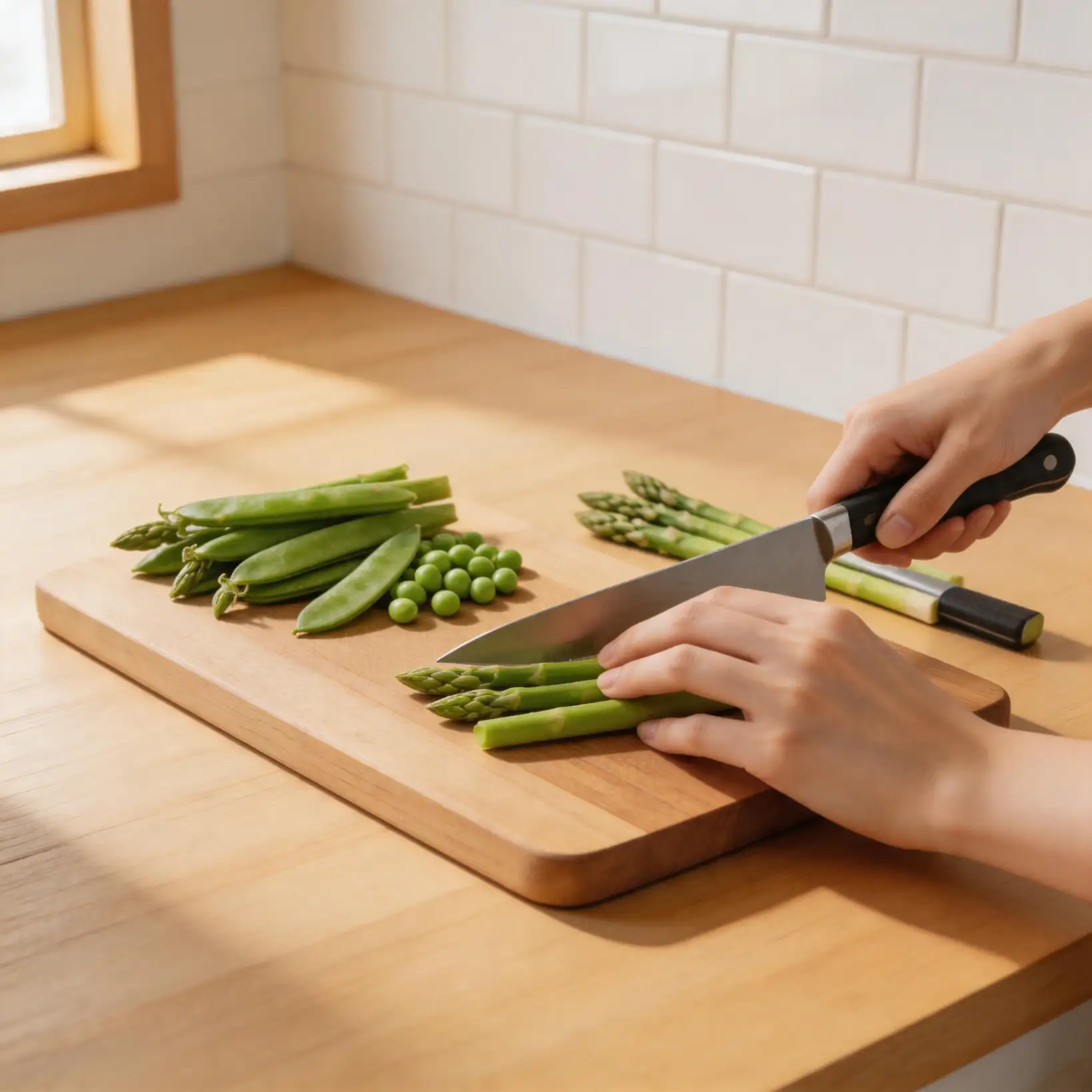
Before diving into recipes, let us look at the economics of spring produce. The USDA Economic Research Service tracks seasonal price fluctuations and reports that domestically grown asparagus, peas, and leafy greens experience their lowest retail prices between April and June. When supply peaks and shipping distances shrink, stores pass those savings to shoppers.
A 2024 market analysis by Statista confirms that seasonal purchasing can reduce household produce spending by 20–35% during peak months. For a family of four spending roughly $150 per week on groceries, that means an extra $30–$50 back in your pocket every week during spring. Over three months, those savings add up to $360–$600—enough for a summer vacation fund or a new kitchen gadget.
Beyond cost, seasonal vegetables taste better. A study published in the Journal of Food Science found that asparagus harvested in April contains 25% more natural sugars and 15% more vitamin C than imported asparagus sold in December. Peas picked in May are plumper and sweeter, while rhubarb stalks are at their pinkest and most tart. When ingredients taste this good, you need less butter, salt, and heavy sauces to make dinner shine—which is another hidden budget win.
Your Spring Shopping Cheat Sheet
To make the most of seasonal cooking, here is what to look for in April and May, along with what the USDA says about each:
Asparagus: Available from February through June, with peak quality in April. Look for firm, bright green stalks with tightly closed tips. The USDA notes that thicker spears are actually more tender than pencil-thin ones because they contain more soluble fiber (USDA FoodData Central).
Peas: Snow peas and sugar snap peas peak in May. Choose pods that snap crisply and appear full but not bulging. One cup delivers 8 grams of protein and 7 grams of fiber—making them one of the most filling vegetables per calorie.
Rhubarb: Harvested from April through July. Select firm, crisp stalks with deep red color. The FDA classifies rhubarb as a vegetable despite its dessert reputation, and it is loaded with vitamin K and calcium (FDA Nutrition Guidance).
Spinach & Tender Greens: Spring spinach is sweeter and less bitter than summer-bolted varieties. A single cup provides 181% of your daily vitamin K needs and just 7 calories.
Artichokes: California's spring artichoke season runs March through May. Look for heavy, compact globes with tightly closed leaves.
Radishes: These peppery root vegetables mature in as little as 25 days, making them one of the first fresh crops of spring. They add crunch and color to any dish for pennies per bunch.
🤖 CookGo AI Tip
Not sure what is in season near you? CookGo's ingredient scanner identifies seasonal produce at your local store and suggests recipes that use exactly what you already bought. Snap a photo of your grocery haul and let our AI build a personalized quick meals plan for the week—no food waste, no extra trips.
Recipe 1: One-Pan Lemon Garlic Asparagus & Orzo (20 Minutes, $8.50)
Prep Time: 5 minutes | Cook Time: 15 minutes | Total Time: 20 minutes | Serves 4
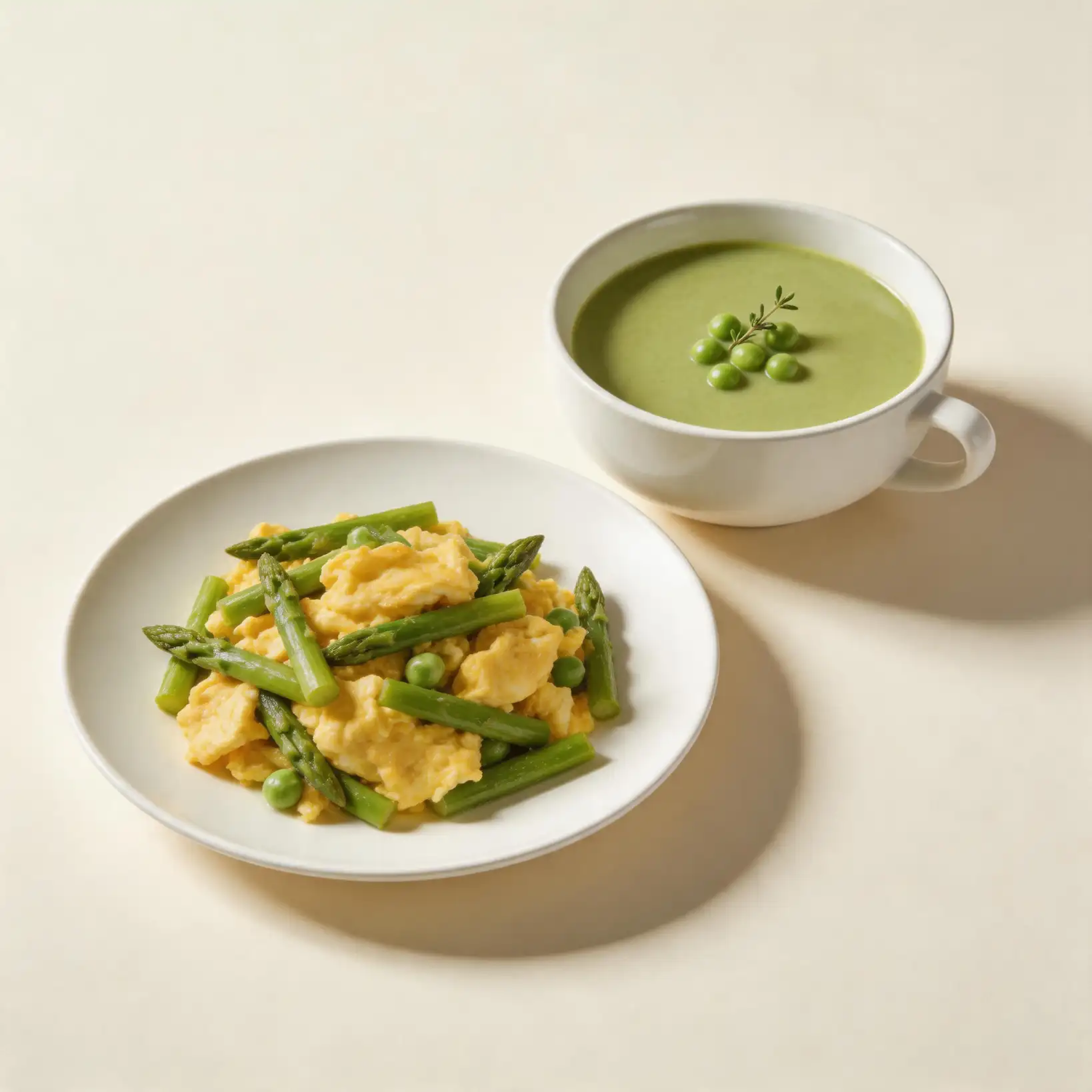
This is the ultimate asparagus recipe for weeknight emergencies. Everything cooks in one skillet, cleanup is minimal, and the bright lemon-garlic sauce makes the asparagus taste restaurant-fancy without a restaurant bill. At roughly $2.10 per serving, it proves that budget recipes can still feel indulgent.
Ingredients
Asparagus: 1 lb (450g), woody ends trimmed
Orzo pasta: 1 cup
Chicken or vegetable broth: 2 1/2 cups
Garlic: 4 cloves, minced
Lemon: 1, zested and juiced
Olive oil: 2 tablespoons
Butter: 1 tablespoon
Parmesan cheese: 1/3 cup, grated
Red pepper flakes: 1/4 teaspoon (optional)
Salt and black pepper: to taste
Fresh parsley: 2 tablespoons, chopped
Instructions
Sauté (3 min): Heat olive oil in a large skillet over medium-high heat. Add asparagus and cook for 2 minutes until bright green and slightly blistered. Remove and set aside.
Toast orzo (2 min): In the same skillet, add orzo and toast for 1–2 minutes until lightly golden. Add garlic and cook 30 seconds until fragrant.
Simmer (12 min): Pour in broth, bring to a boil, then reduce heat to medium-low. Cover and simmer for 10 minutes, stirring once halfway.
Finish (3 min): Stir in butter, lemon zest, lemon juice, and half the Parmesan. Return asparagus to the pan and cook uncovered for 2 minutes until pasta is tender and sauce is creamy. Season with salt and pepper.
Serve: Divide among bowls, top with remaining Parmesan, parsley, and red pepper flakes if desired.
🤖 CookGo AI Tip
"Swap orzo for whole wheat couscous to cut cooking time to 12 minutes total. Our AI also suggests adding canned white beans for an extra 7 grams of plant protein per serving—perfect for Meatless Mondays."
Recipe 2: 15-Minute Creamy Pea & Mint Pasta (15 Minutes, $7.20)
Prep Time: 3 minutes | Cook Time: 12 minutes | Total Time: 15 minutes | Serves 4
Fresh peas and mint are a classic spring pairing that tastes like sunshine on a plate. This pea recipe comes together in the time it takes to boil pasta, and the no-cook sauce—blended from peas, ricotta, and mint—delivers a vibrant green color that kids actually get excited about. At under $2 per serving, it is one of our most popular budget recipes for families.
Ingredients
Fresh or frozen peas: 2 cups
Penne or fusilli pasta: 12 oz (340g)
Ricotta cheese: 1 cup
Fresh mint: 1/2 cup leaves
Garlic: 2 cloves
Lemon juice: 2 tablespoons
Olive oil: 3 tablespoons
Pasta cooking water: 1/2 cup reserved
Parmesan cheese: 1/3 cup, grated
Salt and black pepper: to taste
Toasted pine nuts: 2 tablespoons (optional)
Instructions
Boil pasta (10 min): Bring a large pot of salted water to a boil. Cook pasta according to package directions. During the last 2 minutes of cooking, add peas to the same pot. Reserve 1/2 cup pasta water before draining.
Blend sauce (3 min): In a blender or food processor, combine 1 cup of the cooked peas, ricotta, mint, garlic, lemon juice, olive oil, and 1/4 cup pasta water. Blend until smooth and creamy. Add more pasta water if needed.
Toss (2 min): Return drained pasta and remaining whole peas to the pot. Pour sauce over and toss vigorously until every piece is coated. Season generously with salt and pepper.
Serve: Divide into bowls, sprinkle with Parmesan and toasted pine nuts. Serve immediately.
🤖 CookGo AI Tip
"For a vegan version, CookGo suggests swapping ricotta for silken tofu blended with nutritional yeast. The AI also recommends adding blanched asparagus tips for extra texture—just trim and add them with the peas during the last 2 minutes of pasta cooking."
Recipe 3: Sheet-Pan Honey Rhubarb Chicken (25 Minutes, $9.80)
Prep Time: 8 minutes | Cook Time: 17 minutes | Total Time: 25 minutes | Serves 4
Most people associate rhubarb with pie, but this tart vegetable is sensational in savory dishes. The natural acidity of rhubarb recipes like this one cuts through rich chicken thighs, creating a balanced glaze that tastes far more expensive than it is. Everything roasts on one sheet pan, making this a true quick meal with almost zero cleanup.
Ingredients
Bone-in, skin-on chicken thighs: 4 (about 1.5 lbs / 680g)
Rhubarb stalks: 3 cups, cut into 1-inch pieces
Honey: 3 tablespoons
Dijon mustard: 2 tablespoons
Apple cider vinegar: 1 tablespoon
Garlic powder: 1 teaspoon
Dried thyme: 1 teaspoon
Olive oil: 2 tablespoons
Salt and black pepper: to taste
Fresh chives: 2 tablespoons, chopped
Instructions
Prep (8 min): Preheat oven to 425°F (220°C). Pat chicken thighs dry with paper towels—this is the secret to crispy skin. Cut rhubarb into 1-inch pieces and place on a large rimmed baking sheet.
Make glaze (2 min): In a small bowl, whisk honey, Dijon mustard, apple cider vinegar, garlic powder, and thyme.
Assemble (2 min): Drizzle rhubarb with 1 tablespoon olive oil and toss to coat. Nestle chicken thighs among the rhubarb, skin side up. Brush half the glaze over the chicken. Season everything with salt and pepper.
Roast (17 min): Bake for 12 minutes. Remove from oven, brush remaining glaze over chicken, and return to oven for 5 more minutes until chicken reaches 165°F internal temperature and rhubarb is soft and jammy.
Serve: Let rest 3 minutes. Spoon rhubarb and pan juices over chicken, garnish with chives. Serve with crusty bread or quick couscous.
🤖 CookGo AI Tip
"CookGo's nutrition calculator shows this dish delivers 32 grams of protein per serving while keeping saturated fat under 5 grams. For a lower-sodium version, the AI suggests swapping Dijon for whole-grain mustard and adding fresh rosemary from your herb garden."
Recipe 4: Spring Veggie Frittata with Radish & Spinach (18 Minutes, $6.40)
Prep Time: 5 minutes | Cook Time: 13 minutes | Total Time: 18 minutes | Serves 4
Frittatas are the ultimate quick meal vehicle for whatever spring vegetables you have on hand. This version combines peppery radishes, tender spinach, and fresh herbs into a protein-rich dish that works for breakfast, lunch, or dinner. At just $1.60 per serving, it is proof that budget recipes can be elegant enough for brunch guests.
Ingredients
Eggs: 8 large
Fresh spinach: 3 cups, roughly chopped
Radishes: 1 bunch (about 8), thinly sliced
Green onions: 3, sliced
Feta cheese: 1/2 cup, crumbled
Milk: 1/4 cup
Olive oil: 2 tablespoons
Fresh dill: 2 tablespoons, chopped
Salt and black pepper: to taste
Hot sauce or everything bagel seasoning: for serving (optional)
Instructions
Prep (5 min): Preheat broiler to high. In a large bowl, whisk eggs, milk, salt, and pepper until fully combined. Stir in half the feta.
Sauté veggies (5 min): Heat olive oil in a 10-inch oven-safe skillet over medium heat. Add radishes and green onions. Cook 3 minutes until radishes soften slightly. Add spinach and cook 2 minutes until wilted.
Cook eggs (5 min): Pour egg mixture over vegetables. Cook without stirring for 3–4 minutes until edges begin to set. Lift edges gently with a spatula to let uncooked egg flow underneath.
Broil (3 min): Sprinkle remaining feta on top. Transfer skillet to broiler for 2–3 minutes until top is golden and center is just set. Watch carefully—broilers vary in intensity.
Serve: Let cool 2 minutes. Slice into wedges, garnish with dill, and serve with hot sauce or everything bagel seasoning.
🤖 CookGo AI Tip
"CookGo's ingredient scanner spotted leftover roasted asparagus in your fridge? Chop it and add it with the spinach. The AI calculates that this swap boosts fiber by 2 grams per serving without adding any cost."
How CookGo Makes Spring Cooking Effortless
Planning quick meals around seasonal produce sounds wonderful in theory, but busy parents know the reality: you walk into the store, see gorgeous asparagus, buy it with good intentions, and then forget about it until it wilts in the crisper drawer. That is where CookGo changes the game.
Here is how CookGo helps families eat seasonally without the stress:
Smart Ingredient Management: Snap a photo of your fridge or pantry, and CookGo's AI instantly catalogs what you have, flags items nearing expiration, and suggests recipes that use them before they go bad. No more wasted spring produce.
AI Recipe Generation: Tell CookGo you have asparagus, peas, and ricotta, and it generates a personalized recipe in seconds—complete with step-by-step instructions, cooking times, and estimated cost per serving. The more you use it, the better it learns your family's taste preferences.
Automated Nutrition Tracking: Every recipe in CookGo includes full nutrition breakdowns based on USDA FoodData Central. Want to know if your kids are getting enough vitamin K from that spinach frittata? The answer is one tap away.
Weekly Meal Planning: CookGo builds seasonal meal plans that balance nutrition, budget, and time. Spring weeks might feature asparagus on Monday, pea pasta Wednesday, and rhubarb chicken Friday—all automatically organized into a shopping list.
Seasonal cooking should feel joyful, not overwhelming. With CookGo handling the planning, tracking, and creativity, you get to focus on what matters most: gathering your family around a table full of fresh, delicious food.
Start Your Spring Cooking Journey
Ready to turn April's freshest produce into your family's new favorite meals? CookGo today and discover how AI-powered recipe planning makes seasonal, budget-friendly cooking effortless. Your spring vegetable revolution starts with one tap.
Frequently Asked Questions
What vegetables are in season in spring?
Spring seasonal vegetables include asparagus, peas (snap and snow), rhubarb, spinach, tender greens, artichokes, radishes, spring onions, and early strawberries. According to the USDA Seasonal Produce Guide, buying these vegetables between April and June delivers peak flavor and the lowest prices of the year.
How do I cook spring vegetables quickly?
The fastest methods include stir-frying asparagus (5 minutes), one-pan orzo dishes (20 minutes), raw pea and mint sauces blended in 3 minutes, and sheet-pan roasting with chicken (25 minutes). High heat and minimal handling preserve both nutrients and texture. A study in the Journal of Food Science confirms that brief cooking retains more vitamins than extended boiling.
Are spring vegetables budget-friendly?
Yes. USDA data shows that seasonal produce costs 20-40% less during peak harvest months because reduced transportation and abundant local supply lower retail prices. A family of four can save $30-50 per week by buying spring vegetables in season, which adds up to $360-600 over a full spring season.
Can I use frozen peas instead of fresh?
Absolutely. Frozen peas are flash-frozen at peak ripeness and retain nearly identical nutrition to fresh peas. The USDA FoodData Central confirms that frozen vegetables are nutritionally comparable to fresh and often more consistent in quality. Use them interchangeably in pasta, soups, and stir-fries.
Is rhubarb safe to eat raw?
Rhubarb stalks are safe to eat raw or cooked, though their extreme tartness makes cooking preferable. Never eat rhubarb leaves—they contain high levels of oxalic acid and are toxic. The FDA classifies rhubarb stalks as a vegetable, and they are rich in vitamin K and calcium.
How do I store spring vegetables to keep them fresh?
Store asparagus upright in a glass with 1 inch of water, like flowers, and cover loosely with a bag—this keeps spears crisp for 5-7 days. Keep peas in their pods in the refrigerator crisper for up to 4 days. Wrap rhubarb stalks in damp paper towels and refrigerate for up to 2 weeks. Spinach should be stored dry in a breathable bag and used within 3-5 days.
References & Data Sources
USDA Seasonal Produce Guide – Spring Vegetables: https://www.usda.gov/media/blog/2015/04/08/spring-vegetables
USDA FoodData Central: https://fdc.nal.usda.gov/
USDA Economic Research Service – Food Prices and Spending: https://www.ers.usda.gov/
FDA Nutrition Guidance: https://www.fda.gov/
Statista – Food Price Statistics: https://www.statista.com/
PubMed – Journal of Food Science: https://pubmed.ncbi.nlm.nih.gov/
Dietary Guidelines for Americans 2020–2025: https://www.dietaryguidelines.gov/
CookGo AI Recipe Database (April 2026)
This article is based on research by the CookGo Recipe Research Team. Nutritional data is sourced from USDA FoodData Central and other public government databases. Recipe cost estimates reflect average U.S. retail prices as of April 2026.