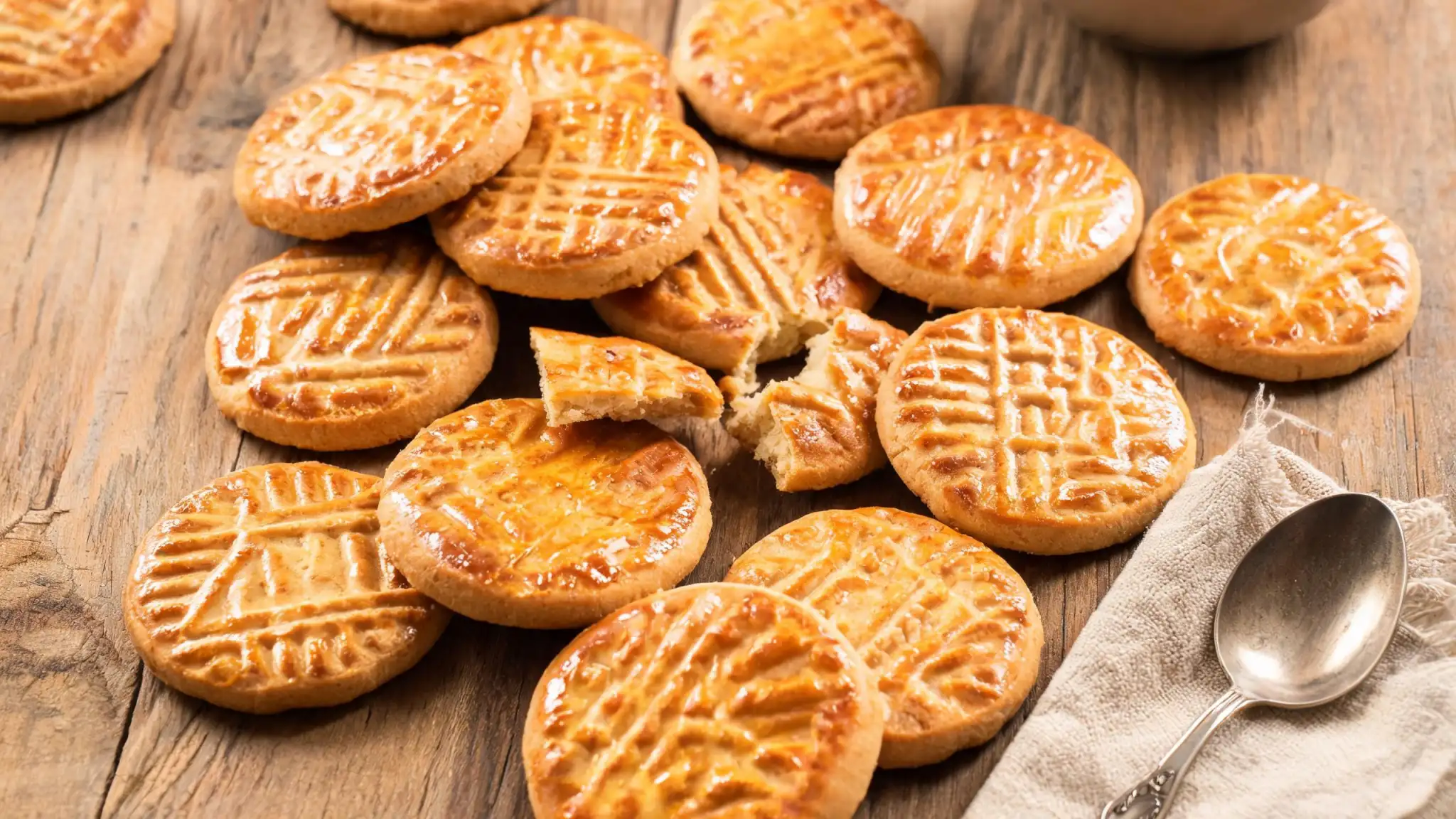
First things first: this galette bretonne recipe is for the sweet, crisp butter biscuit from Brittany, France—not the savory buckwheat crêpe also called galette bretonne. If you have ever opened a tin of St Michel La Grande Galette or spotted golden rounds of galettes bretonnes in a French bakery, you know the cookie we are making here: sandy, deeply buttery, and finished with a whisper of salt. These are classic French salted butter cookies, not crêpes.
Brittany (Bretagne) is famous for its cultured, salted butter, and that butter is the soul of an authentic galette bretonne. The dough is simple—flour, sugar, egg yolk, and a generous amount of high-quality butter—but the result tastes far more expensive than the ingredient list suggests. Think of it as a close cousin to sablé breton: the same tender crumb, but with the slightly thicker, caramelized edges and glossy egg-wash top that make galettes bretonnes instantly recognizable.
What Are Galettes Bretonnes?
Across France, the word galette can describe several flat baked goods. In Brittany it most famously refers to the large, savory buckwheat crêpe filled with ham, cheese, and eggs. But travel south to the Vendée or browse a French supermarket biscuit aisle, and you will find galettes bretonnes: round, golden French butter cookies that are crisp at the edges and sandy in the center.
The defining traits of a classic galette bretonne are:
Salted butter as the dominant flavor (European-style cultured butter is ideal).
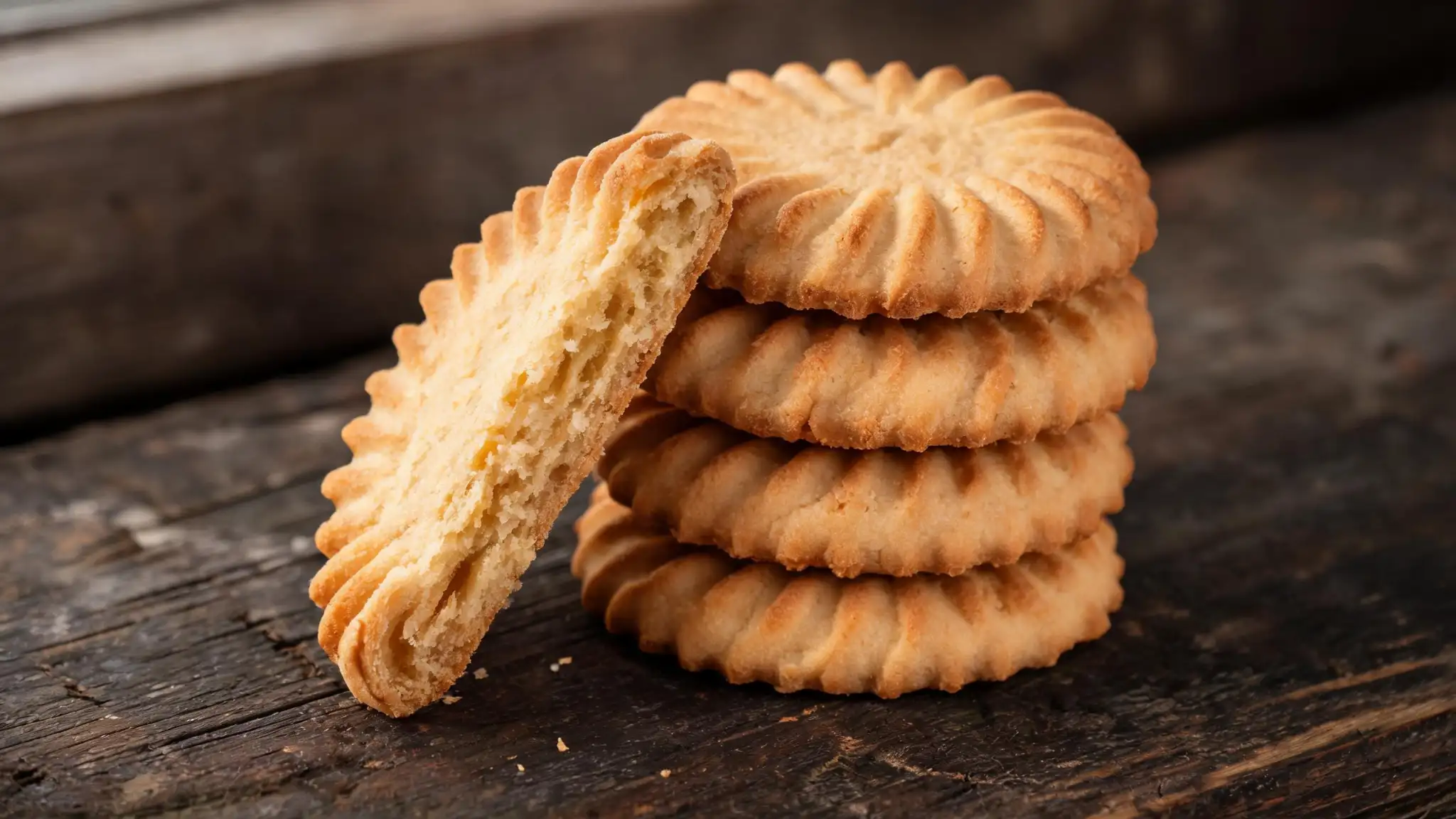
A sandy, shortbread-like texture that melts in your mouth.
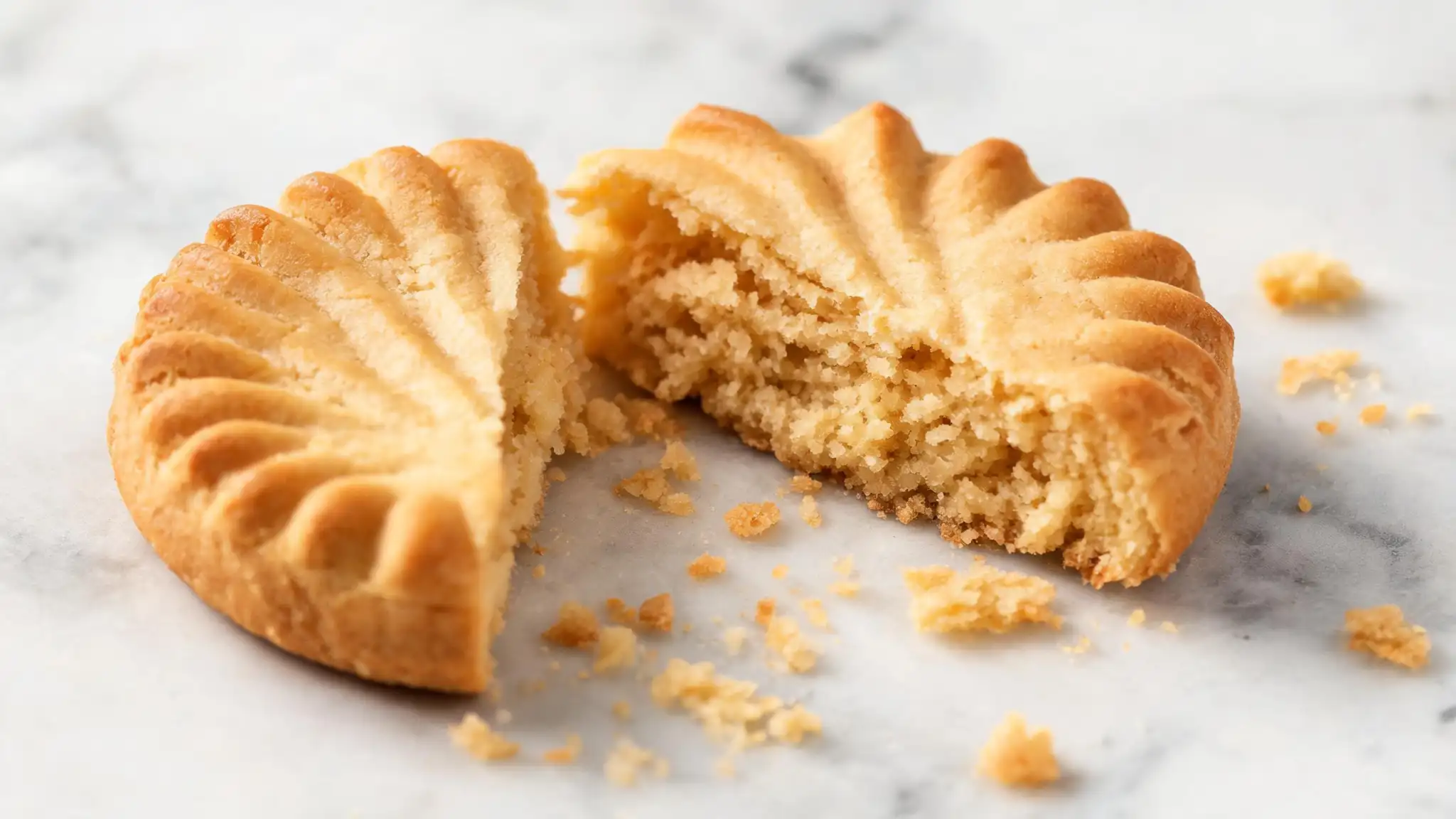
Thick, slightly caramelized edges from pressing the dough into a thin round and baking until deeply golden.
An egg-washed, glossy top that gives the cookie its signature sheen.
Because the dough contains no leavening, the final cookie is dense and satisfying—perfect for afternoon tea, holiday tins, or a small dessert after dinner.
Ingredients for Classic Galettes Bretonnes
This recipe scales easily, but quality matters. With only a handful of ingredients, the butter you choose will make or break the cookie. Look for a European-style cultured butter with at least 82% fat, and use a flaky sea salt or fine sea salt that dissolves evenly.
1 cup + 2 tablespoons (255 g) salted butter, softened but still cool
½ cup (100 g) granulated sugar
2 large egg yolks, room temperature
1 teaspoon pure vanilla extract
2½ cups (315 g) all-purpose flour
½ teaspoon fine sea salt (reduce slightly if your butter is very salty)
1 large egg, beaten with 1 teaspoon water, for egg wash
Coarse sugar or flaked sea salt, for sprinkling
For context on why Brittany became synonymous with salted butter, the region's dairy tradition and coastal salt flats created the perfect conditions for cultured, lightly salted butter centuries before it became a pantry staple elsewhere.
Equipment You'll Need
Stand mixer or hand mixer
Large mixing bowl
Plastic wrap
Rolling pin
Round cookie cutter, 2½ to 3 inches (6–7 cm), or a small plate and knife
Baking sheets lined with parchment paper
Pastry brush
Wire cooling rack
Step-by-Step Galette Bretonne Recipe
Cream the butter and sugar. In a large bowl, beat the softened salted butter and granulated sugar on medium speed until the mixture is pale and fluffy, about 3 minutes. Scrape down the sides of the bowl so the sugar dissolves evenly.
Add the yolks and vanilla. Beat in the egg yolks one at a time, followed by the vanilla extract. The mixture should look thick and creamy.
Mix in the flour and salt. Add the all-purpose flour and fine sea salt. Mix on low speed just until the dough comes together into a soft, slightly crumbly mass. Do not overmix; overworking develops gluten and toughens the cookie.
Chill the dough. Turn the dough onto a lightly floured surface, shape it into a flat disk, and wrap tightly in plastic wrap. Refrigerate for at least 1 hour, or up to 2 days. Chilling firms the butter and prevents spreading.
Roll and cut. Preheat your oven to 325°F (165°C). On a lightly floured surface, roll the dough to about ¼ inch (6 mm) thick. Cut rounds with a 2½ to 3 inch cutter. Gather scraps, re-roll once, and cut again.
Arrange and egg wash. Place the rounds on parchment-lined baking sheets, leaving about 1½ inches between them. Brush the tops lightly with egg wash, then use the back of a fork or a small knife to score a simple crosshatch or lattice pattern on top. Sprinkle with coarse sugar or a few flakes of sea salt.
Bake until golden. Bake for 18 to 22 minutes, rotating the pans halfway through, until the edges are deep gold and the tops are glossy and set. The centers should still look pale compared to the edges.
Cool completely. Let the galettes rest on the baking sheet for 5 minutes, then transfer to a wire rack. They firm up as they cool and develop their characteristic snap.
Pro Tips for the Best Galettes Bretonnes
Use truly cool butter. If your kitchen is warm, chill the mixing bowl for 10 minutes before creaming. Butter that is too soft will cause the cookies to spread and lose their neat rounds.
Do not skip the chill. Resting the dough relaxes the gluten and hardens the butter, which helps the galettes hold their shape and develop caramelized edges.
Roll evenly. A consistent ¼-inch thickness ensures the centers stay sandy while the edges crisp. Thin spots brown too quickly; thick spots stay doughy.
Score gently. The decorative pattern is traditional, but press only lightly. Deep cuts can cause the cookies to crack or bake unevenly.
Bake low and slow. The higher the temperature, the faster the butter melts and the more the cookies spread. 325°F gives you control and even color.
Choose the right salt. If you only have unsalted butter, add an extra ¼ teaspoon of fine sea salt to the dough. Flaked sea salt on top adds a pleasant crunch and visual appeal.
Storage, Make-Ahead, and Serving Suggestions
One reason home bakers love this easy French butter cookie recipe is how well it keeps. Stored in an airtight container at room temperature, the cookies stay crisp for up to 10 days. For longer storage, freeze baked galettes in a single layer, then transfer to a freezer bag for up to 3 months. Thaw at room temperature for 15 minutes before serving.
The dough also freezes beautifully. Shape it into a disk, wrap tightly, and freeze for up to 3 months. Thaw overnight in the refrigerator, then roll and bake as directed.
Serve galettes bretonnes with strong coffee, tea, or a small bowl of salted caramel ice cream. They also make an elegant addition to holiday cookie boxes. For more organized meal and recipe planning, the CookGo app lets you save recipes, build shopping lists, and scale servings with one tap.
Frequently Asked Questions
Is galette bretonne sweet or savory?
In this recipe, galette bretonne is a sweet, crisp butter biscuit. The same name is also used for a savory buckwheat crêpe from Brittany, so always check the recipe context. This version is a galette bretonne cookie, not a crêpe.
What makes galettes bretonnes different from sablé breton?
Both are Breton butter cookies, but sablé breton is usually richer and more crumbly, often made with extra egg yolks and baked in a single round that is cut into wedges. Galettes bretonnes are typically thinner, individual rounds with caramelized edges and an egg-washed top.
Can I make galette bretonne without buckwheat?
Yes. Authentic sweet galettes bretonnes are made with wheat flour, not buckwheat. Buckwheat is used for the savory galette bretonne crêpe, not the cookie. This is a galette bretonne without buckwheat by design.
Why is European salted butter recommended?
European salted butter has a higher fat content (usually 82% or more) and a cultured, slightly tangy flavor that defines the cookie. Lower-fat American butter can make the cookies greasy or less flavorful. If you cannot find European-style butter, choose the highest-fat salted butter available.
How do I keep the cookies from spreading?
Chill the dough thoroughly, keep the butter cool, and bake at 325°F. If the first batch spreads, return the remaining dough to the refrigerator for 15 minutes before baking the next tray.
Bake More French Classics with CookGo
If you enjoyed this galette bretonne recipe, try saving it in the CookGo app. CookGo helps you collect recipes from anywhere, organize your weekly menu, and generate smart shopping lists so you never forget the salted butter. Focus on the baking; let CookGo handle the planning.
Recipe by the CookGo Editorial Team. Last updated: 2026-08-30.