By Maya Chen, RDN | CookGo Editorial Team | Reviewed by a registered dietitian nutritionist
Why Your Grocery Bill Keeps Climbing — And What You Can Do About It
Food prices in the United States have risen steadily over the past decade. According to the USDA Economic Research Service, 13.7% of American households experienced food insecurity at some point in 2024. Meanwhile, the average household now spends over $1,000 per month on groceries, with protein-rich foods like beef and seafood driving costs even higher for fitness-minded shoppers.
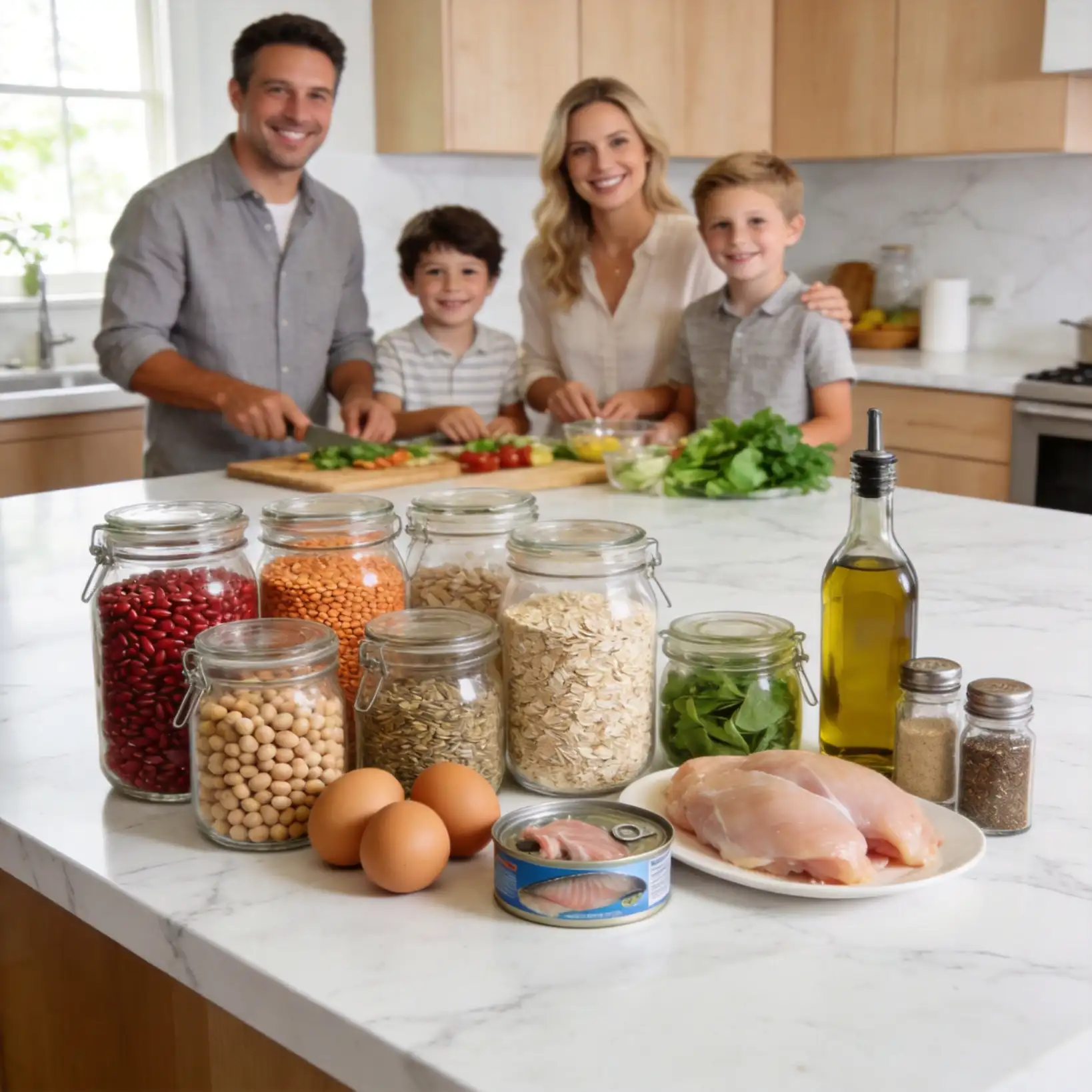
The good news? You do not need to sacrifice your health goals to stay within budget. By building meals around cheap protein sources like eggs, canned tuna, chicken breast, lentils, and black beans, you can slash your grocery bill while hitting your daily protein targets. This guide shares 10 proven pantry staple recipes that deliver high protein at a low cost — plus a smarter way to meal plan with CookGo AI.
The Cheapest High-Protein Foods in America Right Now
Before diving into recipes, let us look at the math. Based on data from the USDA FoodData Central, here is what one dollar buys you in protein terms:
Dried lentils: ~25 grams of protein per dollar
Eggs (large, store brand): ~20 grams of protein per dollar
Canned tuna in water: ~18 grams of protein per dollar
Chicken breast (bulk frozen): ~16 grams of protein per dollar
Black beans (dried, bulk): ~15 grams of protein per dollar
Peanut butter: ~12 grams of protein per dollar
Greek yogurt (large tub): ~10 grams of protein per dollar
Oats: ~8 grams of protein per dollar (plus complex carbs for sustained energy)
Compare these numbers to steak at roughly 6–8 grams per dollar or protein powder at 10–12 grams per dollar, and the advantage is clear. Whole food protein sources beat supplements on both nutrition and cost.
10 Budget-Friendly High-Protein Pantry Recipes
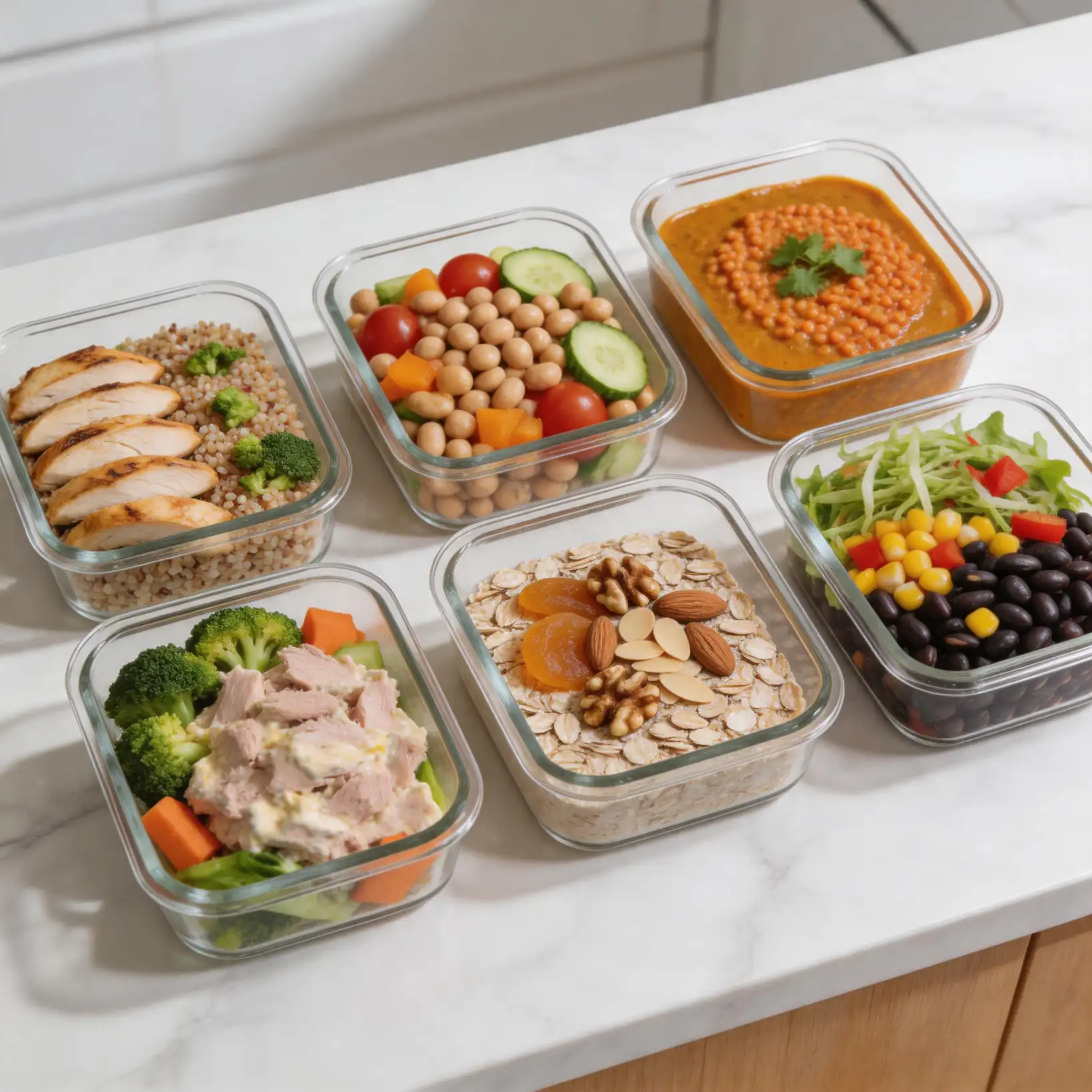
Each recipe below costs under $2.50 per serving, takes 30 minutes or less, and delivers at least 25 grams of protein. They are designed for meal prep, require minimal equipment, and rely on ingredients you can keep in your pantry or freezer for months.
1. One-Pan Lemon Garlic Chicken & Lentils
Cost per serving: $2.20 | Protein: 38g | Prep time: 25 minutes
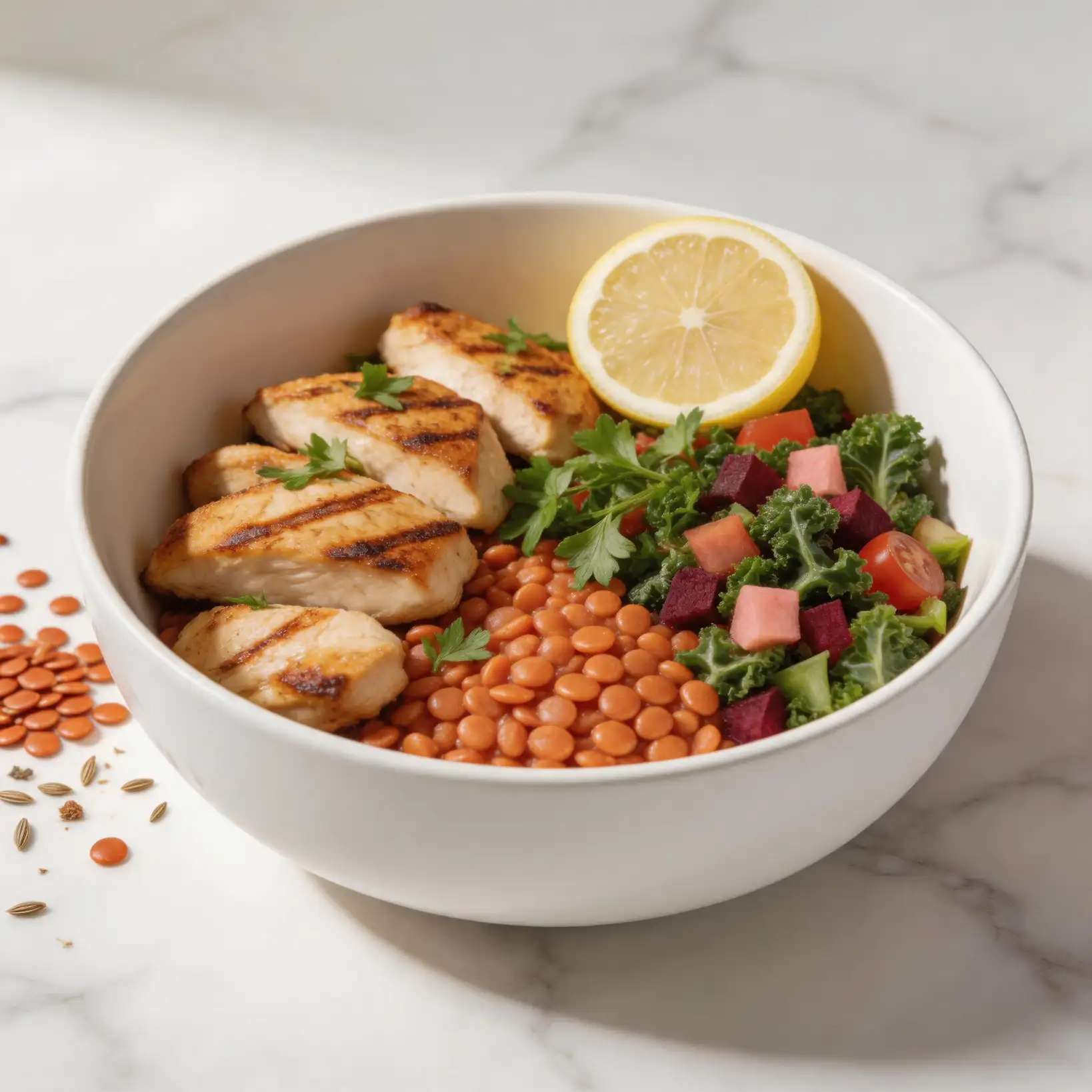
Brown diced chicken breast in a skillet, then add rinsed red lentils, chicken broth, minced garlic, and a squeeze of lemon. Simmer until the lentils soften. This dish delivers complete protein, fiber, and iron in one bowl. The American Heart Association recommends lean poultry as a heart-healthy protein choice.
2. Tuna & White Bean Patties
Cost per serving: $1.80 | Protein: 28g | Prep time: 15 minutes
Drain canned tuna and white beans, mash together with an egg, breadcrumbs, and Italian seasoning. Form into patties and pan-fry until golden. Serve over greens or tucked into a whole wheat pita. This is a classic college student favorite because it requires zero fresh ingredients.
3. Mexican-Style Black Bean & Egg Skillet
Cost per serving: $1.50 | Protein: 26g | Prep time: 12 minutes
Sauté canned black beans with diced onion, cumin, and smoked paprika. Crack two eggs on top, cover, and cook until the whites set. Top with salsa and a sprinkle of cheese if you have it. Eggs and beans together create a complete amino acid profile, making this a budget-friendly high protein dinner that rivals any takeout burrito bowl.
4. Peanut Butter Overnight Oats with Greek Yogurt
Cost per serving: $1.30 | Protein: 27g | Prep time: 5 minutes (plus overnight chilling)
Combine rolled oats, milk or water, a spoonful of peanut butter, and a dollop of Greek yogurt in a jar. Refrigerate overnight. In the morning, you have a cold, creamy breakfast with slow-digesting carbs and muscle-building protein. Perfect for busy mornings before class or the gym.
5. Lentil Bolognese Over Pasta
Cost per serving: $1.90 | Protein: 25g | Prep time: 30 minutes
Simmer green or brown lentils in crushed tomatoes, garlic, onion, and dried oregano. Serve over whole wheat pasta. Lentils mimic the texture of ground meat and absorb the sauce beautifully. This is one of the best cheap protein sources for bodybuilders who want to cut meat costs without sacrificing portion size.
6. Tuna Stuffed Sweet Potatoes
Cost per serving: $2.10 | Protein: 29g | Prep time: 10 minutes (microwave potato) + 5 minutes assembly
Microwave a sweet potato until tender, split open, and stuff with canned tuna mixed with Greek yogurt, diced celery, and black pepper. Sweet potato adds complex carbs and vitamin A; tuna delivers lean protein and omega-3 fatty acids. It is a high protein meal prep cheap winner that keeps you full for hours.
7. Chickpea & Egg Curry
Cost per serving: $1.60 | Protein: 22g | Prep time: 20 minutes
Sauté onion, garlic, and ginger in oil. Add canned chickpeas, a can of diced tomatoes, and curry powder. Simmer, then stir in hard-boiled eggs at the end. Serve over rice or with flatbread. Canned chickpeas are one of the most underrated cheap protein sources, and this dish proves they can carry a full meal.
8. Chicken & White Bean Chili
Cost per serving: $2.40 | Protein: 35g | Prep time: 25 minutes
Sauté diced chicken breast with onion and cumin. Add canned white beans, diced green chiles, and chicken broth. Simmer until thick and fragrant. This chili is ideal for batch cooking: make a double batch on Sunday and portion into containers for the week ahead. As the Academy of Nutrition and Dietetics notes, combining lean meats with legumes is an effective strategy for meeting daily protein needs affordably.
9. Egg Fried Rice with Frozen Peas
Cost per serving: $1.20 | Protein: 18g | Prep time: 10 minutes
Scramble two eggs in a hot pan with oil. Add day-old rice, frozen peas, soy sauce, and a pinch of garlic powder. Stir-fry until everything is coated and heated through. For extra protein, stir in a scoop of Greek yogurt at the end or top with shredded chicken if you have leftovers. This is the ultimate broke-college-student meal that still supports muscle recovery.
10. No-Bake Peanut Butter Protein Balls
Cost per serving (3 balls): $0.90 | Protein: 12g | Prep time: 10 minutes
Mix oats, peanut butter, a drizzle of honey, and a scoop of ground flaxseed. Roll into balls and refrigerate. They are portable, shelf-stable, and perfect as a between-class snack or post-workout bite. While the protein per serving is lower than the main dishes above, the cost per gram is unbeatable.
How to Meal Prep These Recipes on a Sunday
Meal prep is the secret weapon of anyone eating cheap protein meals consistently. Here is a Sunday routine that takes under two hours:
Cook a big pot of lentils or beans (30 min) — use as the base for multiple meals.
Boil a dozen eggs (12 min) — instant protein snack or recipe component.
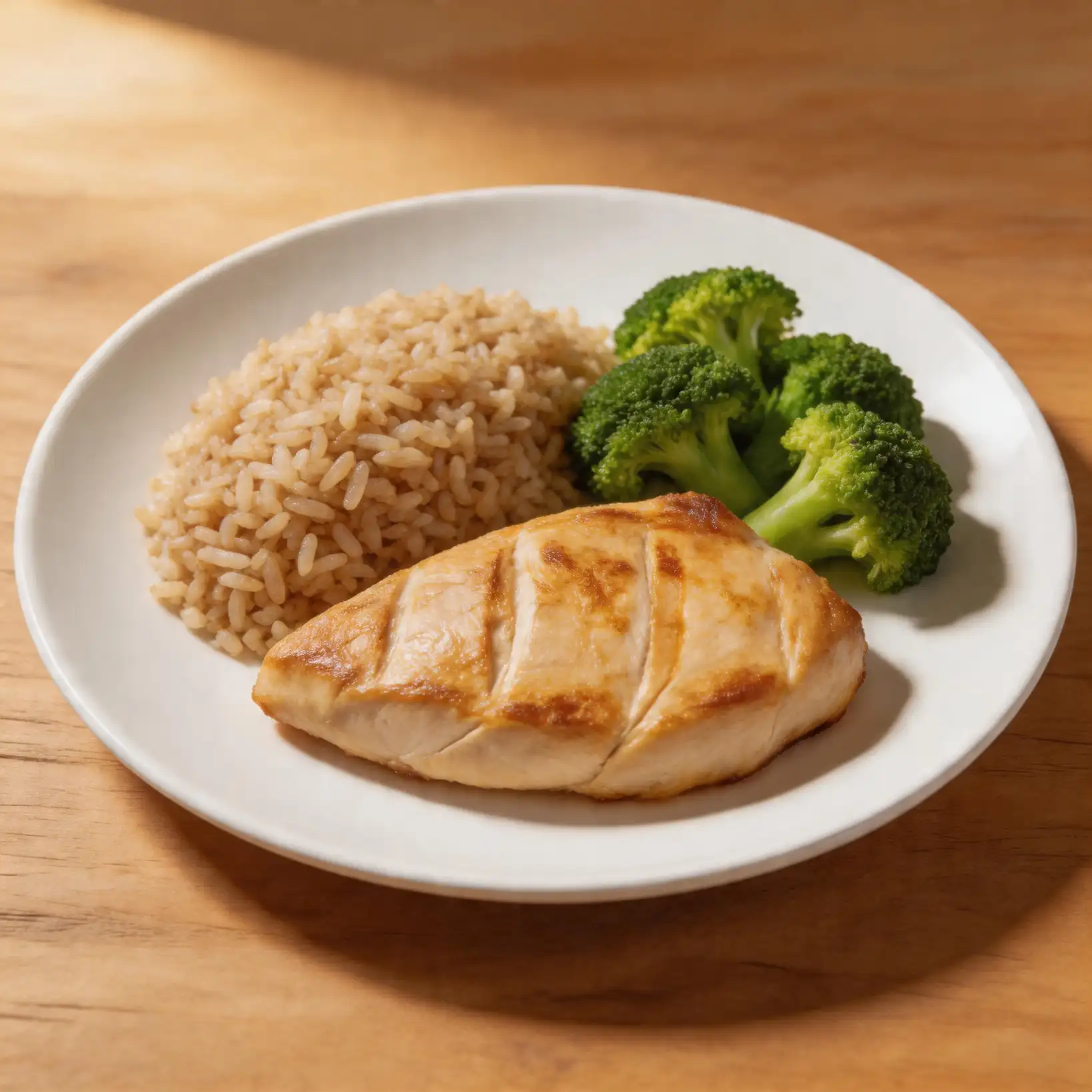
Season and bake chicken breasts (25 min) — slice and store for salads, bowls, and wraps.
Cook a batch of rice or pasta (20 min) — neutral carb base for any protein.
Make one full recipe (30 min) — choose a skillet meal like the black bean & egg dish.
Store everything in glass containers and label with dates. Prepped ingredients stay fresh for 4–5 days in the refrigerator, giving you a full week of budget-friendly high protein dinners with almost no daily cooking.
How CookGo AI Turns Pantry Ingredients Into Meals Automatically
Even with a solid recipe list, deciding what to cook every day can feel overwhelming — especially when you are staring at a random mix of pantry items and wondering what they can become. That is where CookGo AI changes the game.
Here is how it works:
Scan your pantry: Snap a photo of your fridge or pantry shelf. CookGo AI recognizes ingredients — from a half-used tub of Greek yogurt to a can of tuna hiding in the back — and suggests recipes that use what you already have.
Match to your goals: Tell CookGo you want high protein, low cost, or quick prep. The AI filters recipes to match your macros and your schedule, not just your ingredients.
Generate a shopping list: If a recipe needs one or two extra items, CookGo builds a concise list so you buy only what you need — no impulse purchases, no wasted food.
Import recipes from anywhere: Found a great cheap healthy meal on Budget Bytes or another blog? Paste the link into CookGo and it extracts the ingredients, steps, and nutrition facts automatically, turning any online recipe into a structured, shoppable meal plan.
For college students, busy parents, and anyone trying to eat well without overspending, this means less mental load, less food waste, and more consistent healthy eating. The Bureau of Economic Analysis reports that American households waste roughly $1,500 annually on unused food. A tool that matches ingredients to meals before they expire pays for itself many times over.
FAQ: Budget Cooking for High Protein Goals
Can you build muscle on a pantry-staple diet?
Yes. Muscle growth depends on total daily protein intake and progressive resistance training, not on expensive foods. Research published by the U.S. Department of Health and Human Services confirms that a varied diet with lean meats, legumes, eggs, and dairy can fully support athletic performance and muscle repair.
What is the single cheapest protein source?
Dried lentils win on cost per gram of protein, followed closely by eggs and canned tuna. For animal-based protein, frozen chicken breast bought in bulk is typically the best value.
Are canned foods less healthy than fresh?
No. Canned beans, tuna, and tomatoes retain most of their nutrients and are often packaged at peak freshness. The USDA recognizes canned and dried legumes as nutritionally equivalent to their fresh counterparts. Just choose low-sodium options when available and rinse beans before cooking.
How much protein do I actually need?
The general recommendation for active adults is 0.7–1.0 gram of protein per pound of body weight daily. A 170-pound person should aim for roughly 120–170 grams. All ten recipes in this guide deliver 18–38 grams per serving, making it easy to hit your target across three meals plus snacks.
Bottom Line: Eat Better for Less
Grocery inflation is real, but so is your ability to outsmart it. By centering your meals on eggs, lentils, beans, tuna, chicken, and oats, you cut costs without cutting corners on nutrition. Add a simple Sunday meal prep routine, and you remove the daily decision fatigue that leads to expensive takeout.
If you want to take it one step further, let CookGo AI handle the planning. Snap your pantry, set your protein goal, and get a personalized weekly menu built from what you already own. Budget cooking does not have to mean boring meals — it just means smarter ones.
About the author: Maya Chen is a Registered Dietitian Nutritionist (RDN) and a member of the CookGo Editorial Team. She holds a Master of Science in Nutrition from Columbia University and has spent six years counseling athletes and families on performance-focused, budget-conscious eating. All nutritional data in this article is sourced from the USDA FoodData Central and verified against peer-reviewed dietary guidelines.
Last updated: May 2, 2026. Nutritional costs are estimated based on national U.S. grocery averages and may vary by region and retailer.