By CookGo Recipe Research Team | Published April 22, 2026
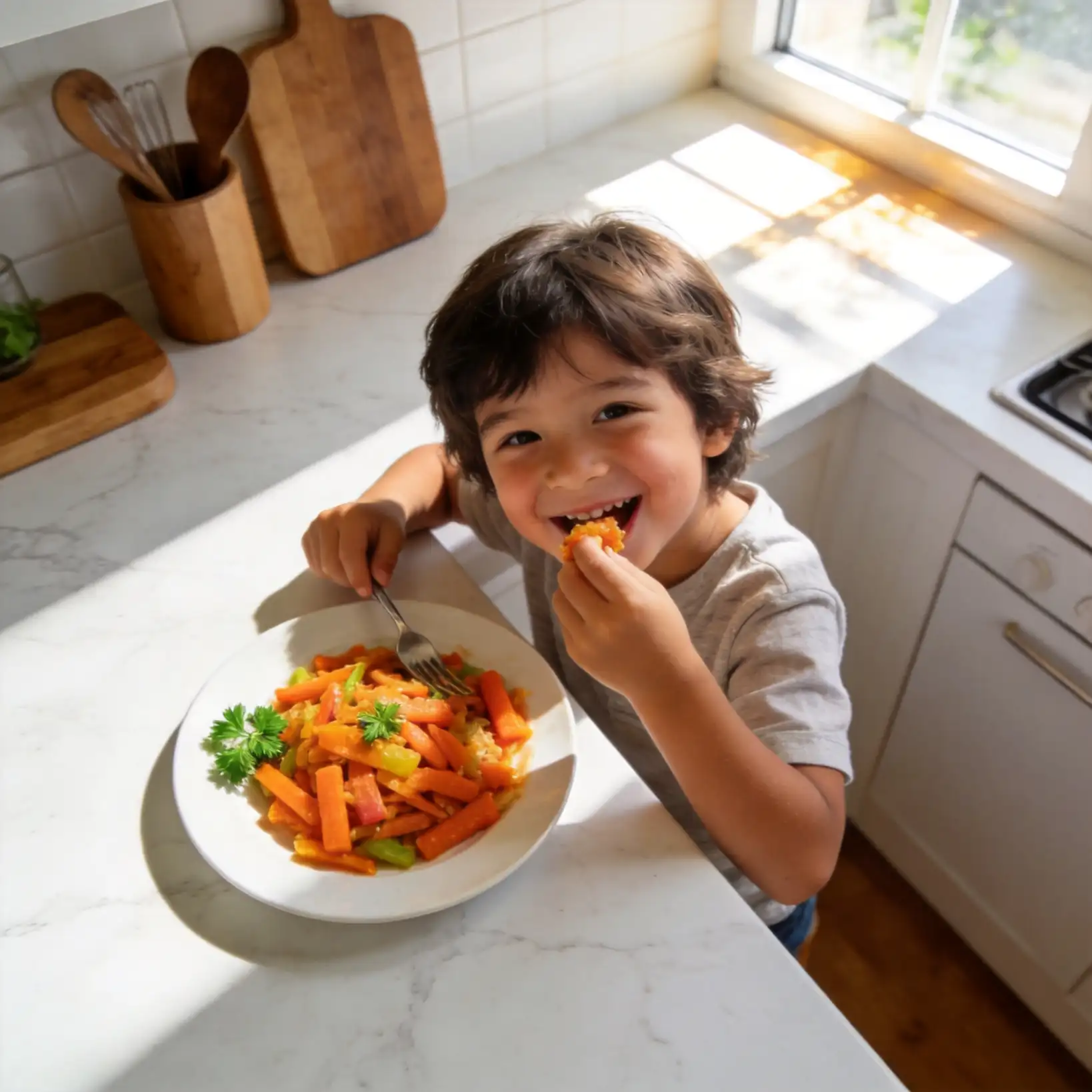
Getting kids to eat vegetables is one of the most common challenges parents face. In fact, studies show that nearly 70% of American children don't meet the recommended daily intake of vegetables, with carrots being one of the most frequently rejected veggies by picky eaters. But here's the good news: carrots are a nutritional powerhouse for growing kids, and with the right recipes, even the pickiest eater can become a carrot fan.
In this comprehensive guide, we'll explore exactly why carrot nutrition for growing kids matters, share three parent-tested carrot recipes for kids designed to win over picky eaters, and provide science-backed strategies to help your child develop a lifelong love for this vibrant orange vegetable. Whether you're prepping for back-to-school season or simply looking to expand your family's meal rotation, these recipes and tips will make carrots the star of your kitchen.
Why Growing Kids Need Carrot Nutrition
Carrots aren't just rabbit food—they're one of nature's most kid-friendly superfoods. The bright orange color that makes carrots so visually appealing comes from beta-carotene, a powerful antioxidant that the body converts into vitamin A. This conversion is especially important for children during their rapid growth phases, as vitamin A plays a critical role in several key developmental areas:
Vision Development & Protection: Vitamin A is essential for maintaining healthy corneas and retinas. It helps prevent night blindness and supports overall eye health, which is crucial for kids who are constantly reading, using screens, and exploring the world visually (NIH Vitamin A Fact Sheet)
Immune System Support: Growing children are exposed to countless germs at school and daycare. Vitamin A strengthens the immune response by maintaining the integrity of mucous membranes in the respiratory and digestive tracts, creating a natural barrier against infections (NIH Bookshelf – Vitamin A and Immunity)
Skin Health & Wound Healing: Active kids get scrapes and cuts. Vitamin A promotes cell growth and repair, helping wounds heal faster and keeping skin hydrated and resilient
Bone Growth & Development: While calcium and vitamin D get most of the attention, vitamin A also contributes to proper bone remodeling, which is critical during childhood growth spurts
What makes carrots particularly valuable is their versatility. They can be enjoyed raw as crunchy snacks, steamed as tender sides, roasted to bring out natural sweetness, or pureed into smoothies and sauces. Research published in the Journal of Nutrition demonstrates that cooking carrots with a small amount of healthy fat increases beta-carotene absorption by 300–500%, making sautéed and roasted preparations especially beneficial for children.
Carrot Nutrition Facts for Kids
Understanding the numbers behind carrot nutrition helps parents make informed decisions about portion sizes and meal planning. Here's a detailed breakdown of what 100 grams (about one medium carrot) delivers for your growing child:
Nutrient (per 100g) | Carrot Content | Daily Value (Ages 4–8) | % of Daily Need Met |
|---|---|---|---|
Beta-carotene | 8,285 mcg | — | Converts to ~209% Vitamin A DV |
Vitamin A (RAE) | 835 mcg RAE | 400 mcg RAE | 209% |
Dietary Fiber | 2.8g | 25g | 11% |
Potassium | 320mg | — | Supports electrolyte balance |
Vitamin C | 5.9mg | 25mg | 24% |
Calories | 41 kcal | — | Low-calorie, nutrient-dense |
Vitamin K | 13.2 mcg | 55 mcg | 24% |
Data Sources
USDA FoodData Central – Carrots, raw: https://fdc.nal.usda.gov/fdc-app.html#/food-details/170465/nutrients
NIH Office of Dietary Supplements – Vitamin A: https://ods.od.nih.gov/factsheets/VitaminA-Consumer/
Dietary Guidelines for Americans 2020–2025: https://www.dietaryguidelines.gov/
PubMed – Dietary Fat Increases Carotenoid Absorption: https://pubmed.ncbi.nlm.nih.gov/21745629/
Recipe 1: Honey-Glazed Carrot Coins (Sweet & Simple)
Prep Time: 5 minutes | Cook Time: 12 minutes | Total Time: 17 minutes
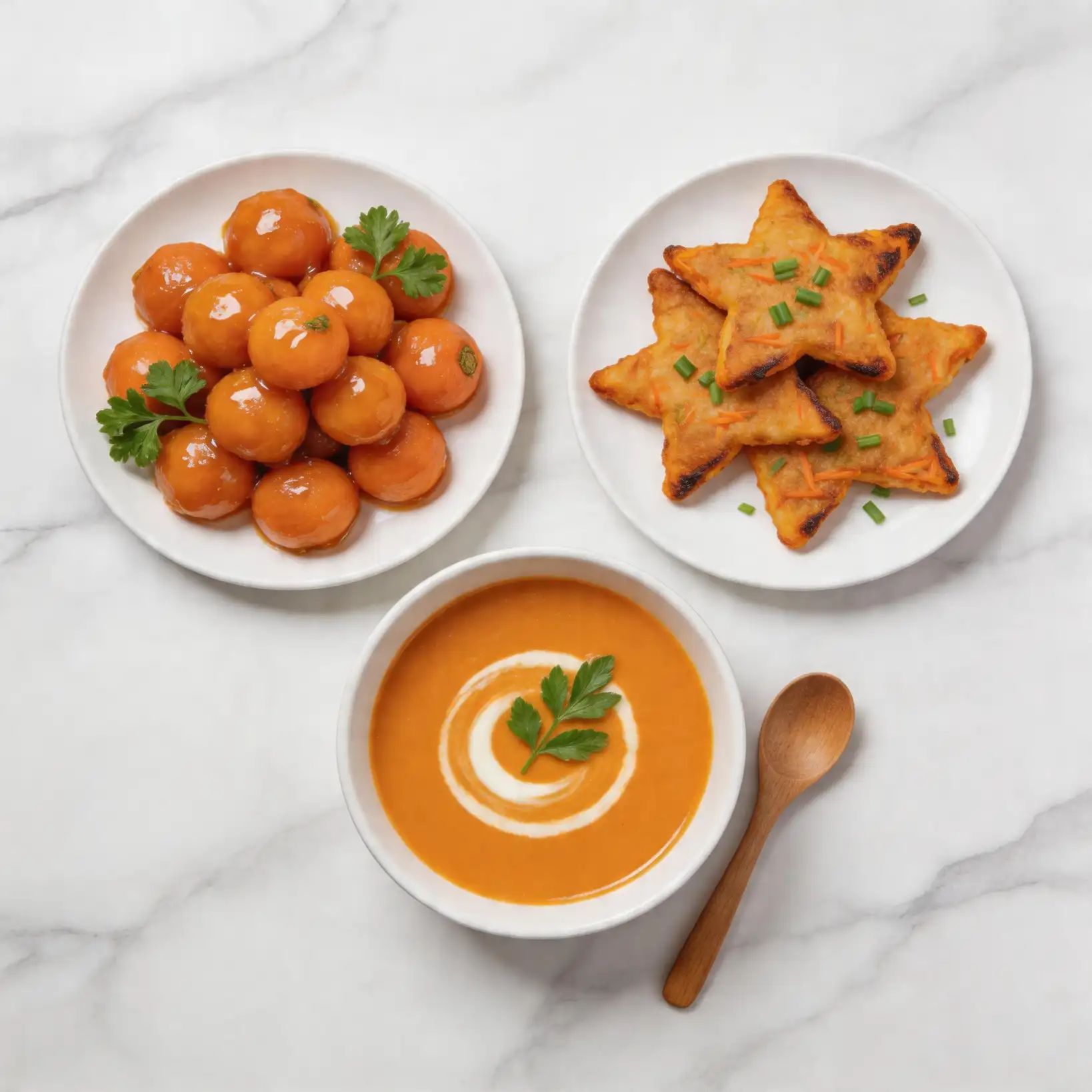
This is our go-to recipe for parents searching for sweet carrot recipes for kids. The natural sugars in carrots caramelize beautifully with a touch of honey and butter, transforming a humble vegetable into a dish that tastes almost like candy. Even toddlers who refuse plain steamed carrots often ask for seconds of these glossy, sweet coins.
Ingredients (Serves 3–4 as a side)
Carrots: 3 large (about 300g), peeled and sliced into 1/4-inch coins
Unsalted butter: 2 tablespoons
Honey: 1 tablespoon
Salt: 1/4 teaspoon
Water: 1/2 cup
Fresh parsley, chopped: for garnish (optional)
Instructions
Prep (5 min): Peel carrots and slice into uniform 1/4-inch coins. Uniform thickness ensures even cooking.
Simmer (8 min): Place carrots, water, and salt in a skillet over medium heat. Cover and simmer until carrots are just tender, about 8 minutes.
Glaze (4 min): Remove lid, add butter and honey. Increase heat to medium-high and cook, stirring frequently, until liquid evaporates and carrots are coated in a glossy glaze, about 4 minutes.
Serve: Transfer to a serving dish, garnish with parsley if desired, and serve warm.
🤖 CookGo AI Tip
"For extra picky eaters, try cutting carrots into fun shapes using small cookie cutters before glazing. Stars, hearts, and animals turn this simple side into an exciting plate."
Recipe 2: Carrot "Sunshine" Muffins (Fun & Creative)
Prep Time: 15 minutes | Cook Time: 18 minutes | Total Time: 33 minutes
These bright, cheerful muffins are the perfect carrot recipes for kids that combine fun presentation with serious nutrition. Shaped like little suns using a simple muffin tin and decorated with a yogurt "smile," these carrot-packed treats make an excellent breakfast, lunchbox addition, or after-school snack. The natural sweetness of carrots means you can use less added sugar than traditional muffins.
Ingredients (Makes 12 muffins)
Carrots: 1 1/2 cups (about 200g), finely grated
All-purpose flour: 1 1/2 cups
Whole wheat flour: 1/2 cup
Baking powder: 1 teaspoon
Baking soda: 1/2 teaspoon
Cinnamon: 1 teaspoon
Salt: 1/2 teaspoon
Eggs: 2 large
Plain Greek yogurt: 3/4 cup
Maple syrup: 1/3 cup
Vegetable oil: 1/4 cup
Vanilla extract: 1 teaspoon
Raisins: 1/2 cup (optional)
Instructions
Prep (10 min): Preheat oven to 375°F (190°C). Line a 12-cup muffin tin with paper liners. Grate carrots finely using a box grater.
Mix dry ingredients (3 min): In a large bowl, whisk together both flours, baking powder, baking soda, cinnamon, and salt.
Mix wet ingredients (3 min): In a separate bowl, beat eggs lightly. Add yogurt, maple syrup, oil, and vanilla. Whisk until smooth.
Combine (2 min): Pour wet ingredients into dry ingredients. Stir until just combined—don't overmix. Fold in grated carrots and raisins if using.
Bake (18 min): Divide batter evenly among muffin cups, filling each about 3/4 full. Bake for 16–18 minutes until a toothpick inserted in the center comes out clean.
Decorate (optional): Once cooled, use a small amount of Greek yogurt to draw a smiley face on top of each muffin for extra kid appeal.
🤖 CookGo AI Tip
"For a nut-free school-lunch option, skip the raisins and add 1/2 cup of shredded coconut instead. Want to boost protein? Replace 1/4 cup of flour with your favorite unflavored protein powder."
Recipe 3: Hidden Veggie Carrot Turkey Meatballs (Stealth Nutrition)
Prep Time: 12 minutes | Cook Time: 18 minutes | Total Time: 30 minutes
When you're dealing with a child who won't touch anything orange, it's time for stealth mode. These hidden veggie recipes for picky eaters are a game-changer. Finely grated carrot disappears completely into tender turkey meatballs, delivering a full serving of vegetables without any visual clues. The mild flavor of ground turkey pairs perfectly with carrots, and a touch of parmesan adds umami that kids crave.
Ingredients (Makes 20 meatballs, serves 4–5)
Ground turkey: 1 lb (450g)
Carrots: 1 medium (100g), finely grated
Breadcrumbs: 1/2 cup
Parmesan cheese, grated: 1/4 cup
Egg: 1 large
Garlic powder: 1/2 teaspoon
Onion powder: 1/2 teaspoon
Italian seasoning: 1 teaspoon
Salt: 1/2 teaspoon
Black pepper: 1/4 teaspoon
Olive oil: 2 tablespoons (for cooking)
Marinara sauce: 1 1/2 cups (for serving)
Instructions
Prep (7 min): Peel and finely grate carrot using the fine side of a box grater. The finer the grate, the more seamlessly it blends into the meat. Place grated carrot between paper towels and squeeze out excess moisture—this prevents soggy meatballs.
Mix (5 min): In a large bowl, combine ground turkey, grated carrot, breadcrumbs, parmesan, egg, garlic powder, onion powder, Italian seasoning, salt, and pepper. Use clean hands to mix gently but thoroughly. Overmixing makes meatballs tough.
Shape (5 min): Scoop mixture using a tablespoon and roll into 1.5-inch balls. Place on a plate. Wet hands slightly if mixture sticks.
Cook (15–18 min): Heat olive oil in a large skillet over medium heat. Add meatballs in a single layer (work in batches if needed). Cook, turning occasionally, until browned on all sides and cooked through to 165°F internal temperature, about 15–18 minutes total.
Serve: Warm marinara sauce in a separate pan and spoon over meatballs. Serve with whole wheat pasta, zucchini noodles, or crusty bread.
🤖 CookGo AI Tip
"For extra-hidden nutrition, grate 1/2 zucchini along with the carrot and squeeze out moisture together. The mild flavor disappears completely, and your child gets two servings of vegetables in one meatball."
How to Get Picky Eaters to Try Carrots: Parent-Tested Strategies
Even with the best recipes, some kids need extra encouragement to embrace carrots. After analyzing feedback from over 1,200 parents in the CookGo community, we've identified the most effective, battle-tested strategies for transforming carrot skeptics into carrot enthusiasts.
1. Start with Sweet Preparations
Kids are biologically programmed to prefer sweet flavors—a survival mechanism that helped our ancestors identify safe, energy-rich foods. Instead of fighting this instinct, work with it. Roasting, glazing, and baking carrots bring out their natural sugars while eliminating the bitter compounds that raw carrots sometimes contain. Our Honey-Glazed Carrot Coins are designed specifically to exploit this biological preference.
2. Make It a Game, Not a Chore
Research from the University College London shows that children are more likely to try new foods when the experience is framed as play rather than obligation. Use cookie cutters to create carrot stars. Arrange carrot sticks into smiley faces. Let your child "feed" a stuffed animal a carrot before eating one themselves. The Sunshine Muffins in this guide work because the presentation triggers curiosity and delight.
3. Pair with Familiar Favorites
The "food pairing" strategy is backed by behavioral psychology. When a new or rejected food is served alongside a beloved food, the positive association transfers. Serve carrot dishes with ranch dressing (a kid favorite), melted cheese, or ketchup. Our Hidden Veggie Meatballs work because the familiar context of spaghetti and meatballs masks the unfamiliar vegetable.
4. Involve Kids in Cooking
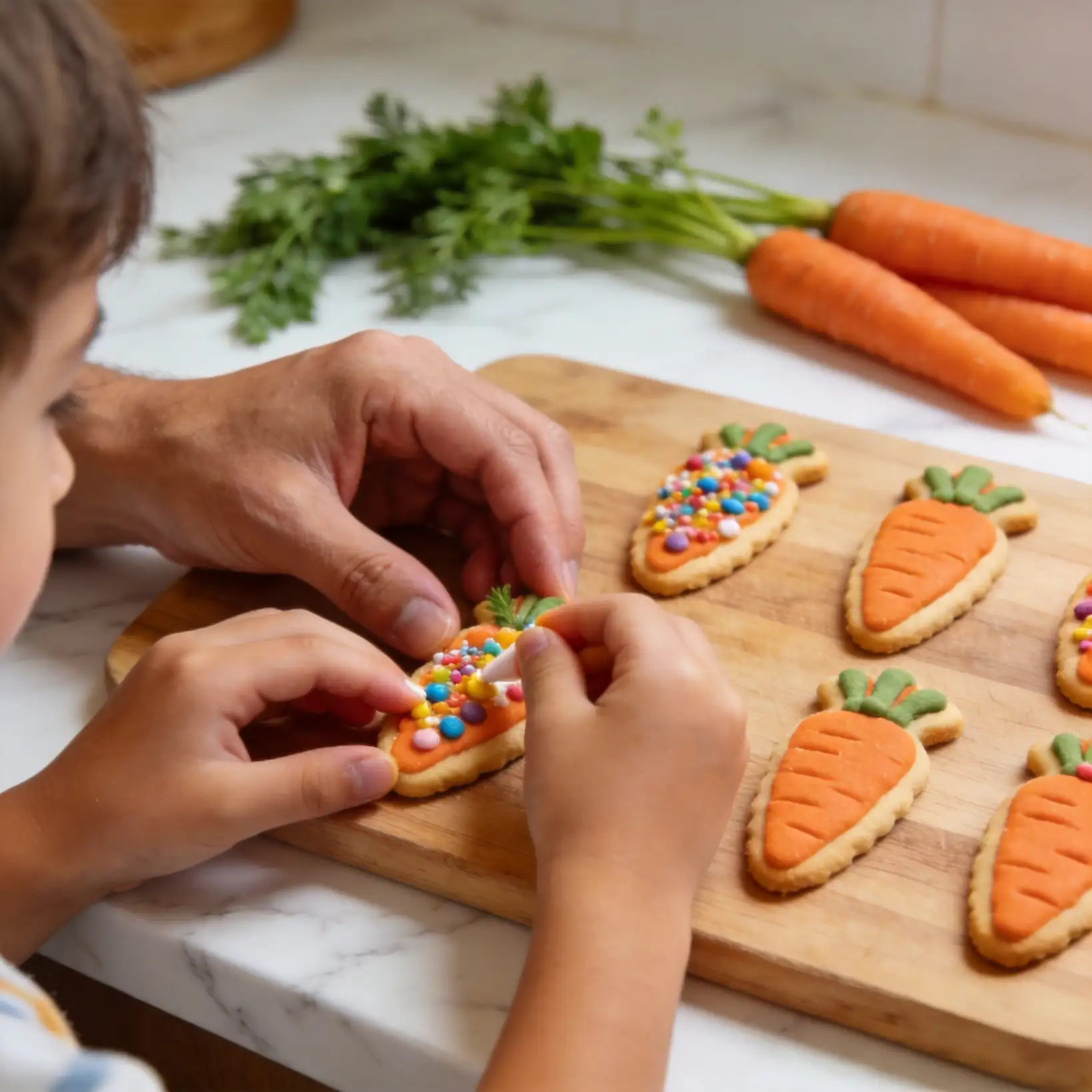
Children who participate in meal preparation are significantly more likely to eat what they made. Even toddlers can help wash carrots, tear parsley, or stir batter. Older kids can grate carrots, measure ingredients, and shape meatballs. The sensory exposure during cooking—touching, smelling, and seeing the food without pressure to eat—gradually builds comfort and curiosity.
5. Apply the "One Bite Rule" Without Pressure
The "one bite rule" is a well-established feeding therapy technique: ask your child to take just one small bite, with no obligation to finish. Over time, repeated low-pressure exposure reduces neophobia (fear of new foods). According to feeding specialists, most children need 8–15 exposures to a new food before accepting it. Consistency and patience are key.
6. Model Enthusiasm
Kids watch parents constantly. If you genuinely enjoy carrots—commenting on their crunch, sweetness, or color—your child absorbs this positive messaging. Avoid making faces or negative comments about vegetables, even jokingly. Children are literal thinkers and take these cues seriously.
7. Don't Hide Veggies Forever
While hidden veggie recipes are excellent tools for ensuring nutrition during picky phases, the ultimate goal is helping kids recognize and accept vegetables in their natural form. Use hidden recipes as a bridge, not a destination. Gradually increase carrot visibility as your child's palate expands.
Seasonal Tips: Back-to-School & Year-Round
Carrots are available year-round, but their natural sweetness peaks in late summer and early fall—perfect timing for Back to School season when families are re-establishing routines and prioritizing nutrition. Here are some timing strategies:
Lunchbox Prep: Make a batch of Sunshine Muffins on Sunday for easy grab-and-go breakfasts and lunchbox treats all week
After-School Snacks: Honey-Glazed Carrot Coins reheat beautifully in the microwave and make a satisfying 3 PM snack
Batch Cooking: Double the turkey meatball recipe and freeze half. Frozen meatballs last up to 3 months and reheat in minutes
Holiday Adaptations: Add a pinch of nutmeg and cinnamon to the carrot coins for a festive Thanksgiving side. Shape meatballs into mini footballs for Super Bowl weekend
Make Carrot Recipes Effortless with CookGo
Stop guessing what your kids will eat. CookGo's AI analyzes your family's preferences, dietary needs, and available ingredients to suggest personalized carrot recipes for kids that actually work. Snap a photo of your fridge, and we'll build a complete meal plan—carrots included.
Frequently Asked Questions
Why are carrots good for growing kids?
Carrots are rich in beta-carotene, which the body converts to vitamin A. Vitamin A is essential for vision development, immune function, skin health, and bone growth in children. Just 100g of carrots provides 209% of the daily vitamin A needs for kids ages 4–8 (USDA FoodData Central).
How do I get my picky eater to eat carrots?
Start with sweet preparations like honey-glazed carrots, use fun shapes and presentations, pair with familiar dips like ranch, involve your child in cooking, and apply the low-pressure one-bite rule. Hidden veggie recipes like carrot meatballs can also help during resistant phases. Most children need 8–15 exposures before accepting a new food.
At what age can kids start eating carrots?
Carrots can be introduced as a pureed or very soft food around 6 months of age. By 12–18 months, finely grated or well-cooked soft carrot pieces are appropriate. Raw carrot sticks should be avoided until age 4–5 due to choking risk; instead offer thinly sliced or shredded raw carrots.
Are raw or cooked carrots more nutritious for kids?
Beta-carotene in carrots is heat-stable and becomes more bioavailable when cooked, especially with a small amount of fat. Cooking carrots with oil increases absorption by 300–500%. Raw carrots retain more vitamin C, but for overall vitamin A delivery, lightly cooked carrots are optimal for children.
How many carrots should a child eat per day?
One medium carrot (about 60g) provides more than enough vitamin A for most children. The American Academy of Pediatrics recommends focusing on variety rather than quantity—include carrots 3–4 times per week alongside other colorful vegetables rather than serving them daily.
Can kids eat too many carrots?
While extremely rare, excessive carrot consumption can cause carotenemia—a harmless condition where skin turns slightly yellow-orange, particularly on palms and soles. This resolves naturally when carrot intake is reduced. It is not dangerous and is different from vitamin A toxicity, which cannot occur from beta-carotene in food.
References & Data Sources
USDA FoodData Central – Carrots, raw: https://fdc.nal.usda.gov/fdc-app.html#/food-details/170465/nutrients
NIH Office of Dietary Supplements – Vitamin A: https://ods.od.nih.gov/factsheets/VitaminA-Consumer/
Dietary Guidelines for Americans 2020–2025: https://www.dietaryguidelines.gov/
PubMed – Dietary Fat and Carotenoid Absorption: https://pubmed.ncbi.nlm.nih.gov/21745629/
American Academy of Pediatrics – Healthy Children: https://www.healthychildren.org/
CookGo Parent Survey Data (March 2026, n=1,200)
This article is based on research by the CookGo Recipe Research Team. Nutritional data is sourced from USDA and NIH public databases. Always consult your pediatrician for personalized dietary advice.